

 English
 Français
Afripol
The African Union Mechanism for Police Cooperation, commonly referred to as AFRIPOL, is a continental police organization established to enhance cooperation among law enforcement agencies of African Union (AU) member states. AFRIPOL plays a pivotal role in strengthening police collaboration, combating transnational crime, and maintaining peace and security across Africa. Its operations align with global standards and complement the efforts of similar organizations such as Interpol.
1. History
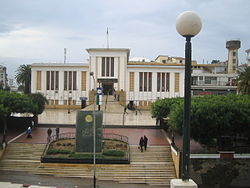
AFRIPOL was formally established in 2014 during the 23rd Ordinary Session of the African Union Assembly held in Malabo, Equatorial Guinea. Recognizing the need for a coordinated approach to addressing cross-border crime and security threats, the AU member states endorsed AFRIPOL as the primary platform for police cooperation on the continent. The organization's headquarters is located in Algiers, Algeria, underscoring the commitment of the AU to decentralize its institutions across member states.
1. Mandate and Objectives
AFRIPOL's mandate centers on fostering cooperation among African law enforcement agencies to combat transnational organized crime, terrorism, drug trafficking, cybercrime, and other security challenges. Its objectives include:
Enhancing Police Collaboration: Strengthening communication and operational ties among police forces across AU member states. Capacity Building: Offering training and technical support to improve the capabilities of national police forces. Data Sharing: Facilitating the exchange of criminal intelligence and information across borders. Strategic Partnerships: Collaborating with regional and international organizations, including Interpol, Europol, and the United Nations. Policy Development: Advising AU member states on policies and strategies to enhance law enforcement effectiveness.
1. Structure and Governance
AFRIPOL operates under the guidance of the African Union Peace and Security Council. Its governance structure includes:
The General Assembly: Composed of police chiefs from AU member states, the Assembly is the highest decision-making body. The Executive Board: Oversees the implementation of AFRIPOL's programs and policies. The Secretariat: Based in Algiers, it manages the day-to-day operations and coordinates activities across the continent.
1. Key Initiatives and Programs
AFRIPOL has launched several initiatives aimed at enhancing law enforcement collaboration and combating crime in Africa:
AFRIPOL Communication System (AFSECOM): A secure platform for sharing criminal intelligence among member states. Capacity-Building Workshops: Training programs focused on cybercrime, counter-terrorism, and forensic investigations. Joint Operations: Coordinating cross-border operations to dismantle criminal networks and disrupt illicit activities. Crime Databases: Developing centralized databases to track and monitor criminal activities across the continent.
1. Collaboration with International Partners
AFRIPOL actively collaborates with global and regional entities to enhance its effectiveness. It has signed cooperation agreements with Interpol, enabling interoperability in data sharing and joint operations. The organization also partners with the United Nations Office on Drugs and Crime (UNODC), the European Union (EU), and other multilateral bodies to combat crimes such as human trafficking and drug smuggling.
1. Challenges and Future Prospects
While AFRIPOL has made significant strides in enhancing police cooperation, it faces challenges such as limited funding, varying levels of law enforcement capacity among member states, and political instability in certain regions. Looking ahead, AFRIPOL aims to:
Expand its technological infrastructure to support real-time intelligence sharing. Enhance its capacity-building programs to address emerging threats like cybercrime and wildlife trafficking. Strengthen partnerships with regional economic communities (RECs) and international organizations to ensure a unified approach to security.
1. References


1. External links
Official website
Nearby Places View Menu

Algiers

Echorouk Plus
Kouba, Algeria