


La catastrophe de l'Étançon est la dernière tragédie que connait le bassin minier de Ronchamp et Champagney le 16 décembre 1950. C'est l'un des événements marquants de la fin des houillères de Ronchamp en tuant quatre mineurs. Cet accident est dû à une subite arrivée d'eau, venue d'anciens travaux, envahissant la galerie Fourchie, une descenderie située dans le bois de l'Étançon, à proximité du puits du même nom.
Gallery



Sponsored
Location
1 explorer visited this place

198 m
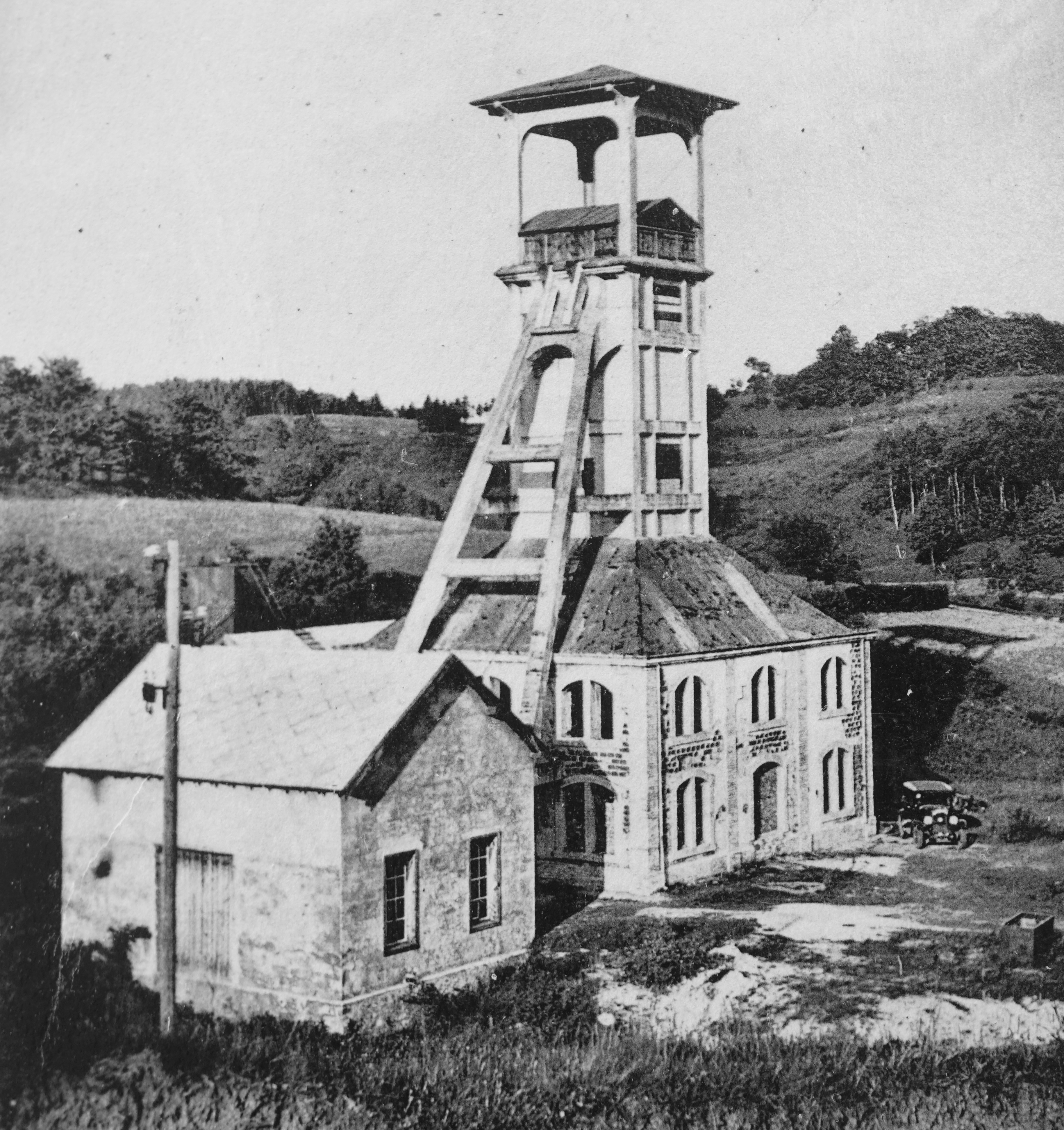
The Etançon mine is one of the main mines of the Ronchamp coal mines, in the commune of Ronchamp, in the Burgundy-Franche-Comté region of France. It is the only mine in the coalfield dug in the 20th century, and also the only one dug by Électricité de France. It operated from 1950 to 1958, when the outcrops were brought back into production. By extending mining for a further ten years, it made it easier for miners to retire.
After its closure, it was dismantled and left to fall into disrepair before being incorporated into the outcrop footpath in 1997. Between 1999 and 2000, the site was cleared by an association, before becoming an industrial tourism site at the beginning of the 21st century.

522 m
The Saint-Louis Coal Mine is one of the main shafts at the Ronchamp coal mines in the Bourgogne-Franche-Comté region of France. Located in the hamlet of La Houillère, in the commune of Champagney, it was the first real mine shaft to be dug in the Ronchamp coalfield. It was the most productive coal mine in the Ronchamp coalfield during the first half of the 19th century. On 10 April 1824, this shaft also experienced the first firedamp explosion in the coalfield, which killed twenty people and injured sixteen others. Later, on 31 May 1830, a second, even more deadly, firedamp explosion killed twenty-eight people. The pit was finally abandoned and backfilled in 1842. A mining estate was built next to the pit in the 1850s.
After closure, one of the buildings was preserved as a casino and ballroom before being demolished in the 1980s. At the beginning of the 21st century, almost no trace of the facilities remains, and the shaft is now under a pavilion at the foot of a hill. A decorative monument built in 2012 is a reminder of the site's mining past.

522 m
On 10 April 1824 an explosion occurred in the Saint-Louis coal mine in Champagney, France. The explosion, called the first disaster at the Saint-Louis coal mine, was the first firedamp explosion in the Ronchamp and Champagney coalfields and one of the first in France. It was also one of the deadliest in the history of the Ronchamp coal mines, killing twenty and injuring sixteen. The disaster had a profound impact on the local population and national opinion, calling into question the safety of firedamp mines and the conditions of ventilation.

1.4 km
The Saint-Joseph Coal Mine is one of the main shafts of the Ronchamp coal mine, in the Ronchamp commune, within the French region of Bourgogne-Franche-Comté. It was one of the most productive coal mines in the Ronchamp coalfield during the second half of the 19th century. Throughout this period, it was the center of activity for the mining company, with the installation of a coking plant and a coal-washing plant, before being replaced by the Chanois shaft. The Saint Joseph shaft was hit by several disasters. On August 10, 1859, a firedamp explosion killed twenty-nine people. On May 8, 1860, another explosion destroyed the underground tunnels and the roof of the surface recette building.
After the closure of the Saint-Joseph shaft in 1895, the buildings were demolished and replaced by a small sawmill, whose buildings, now used as shops for building materials, still exist into the early 21st century. Some slag heaps and an old railway track still remain.
