



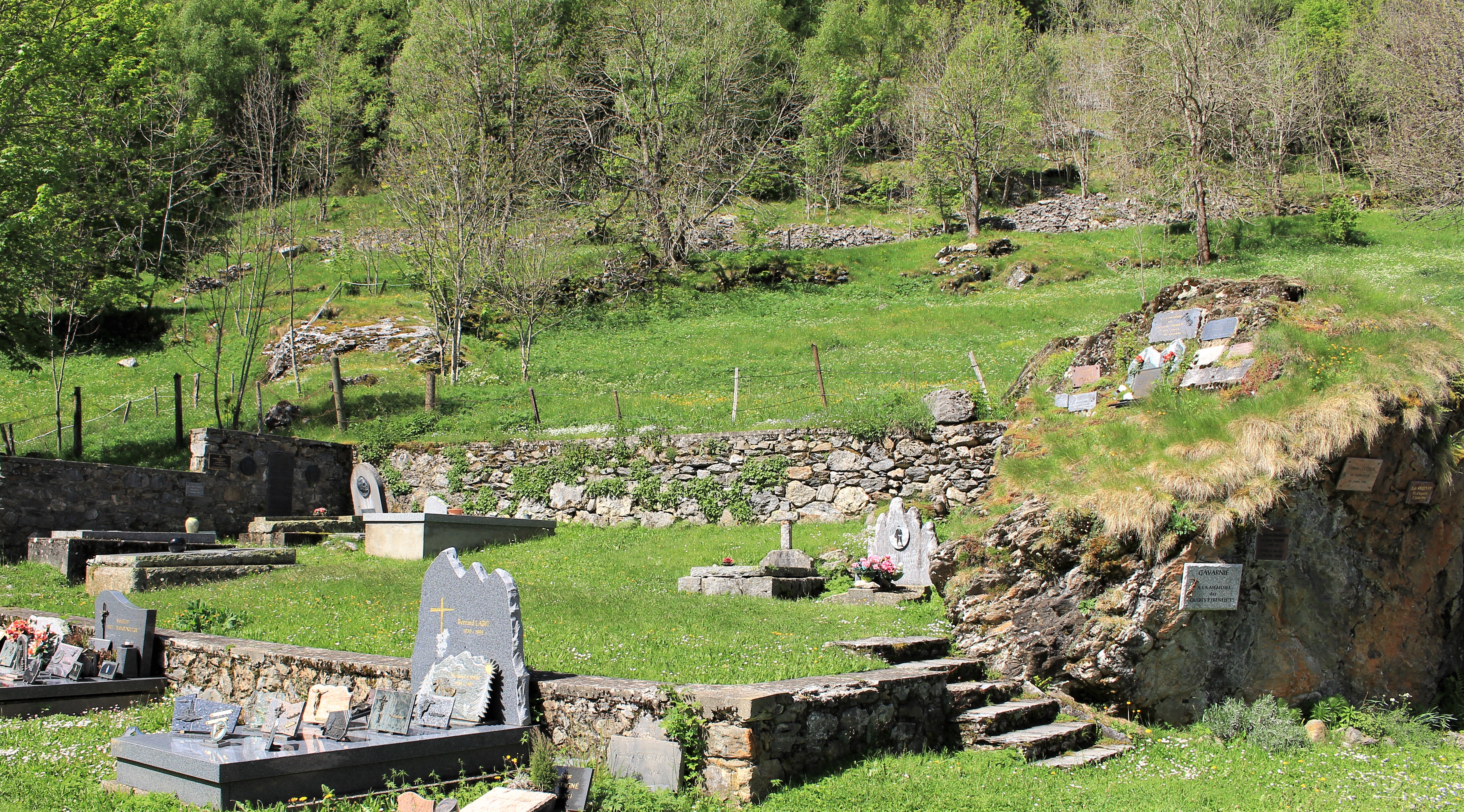
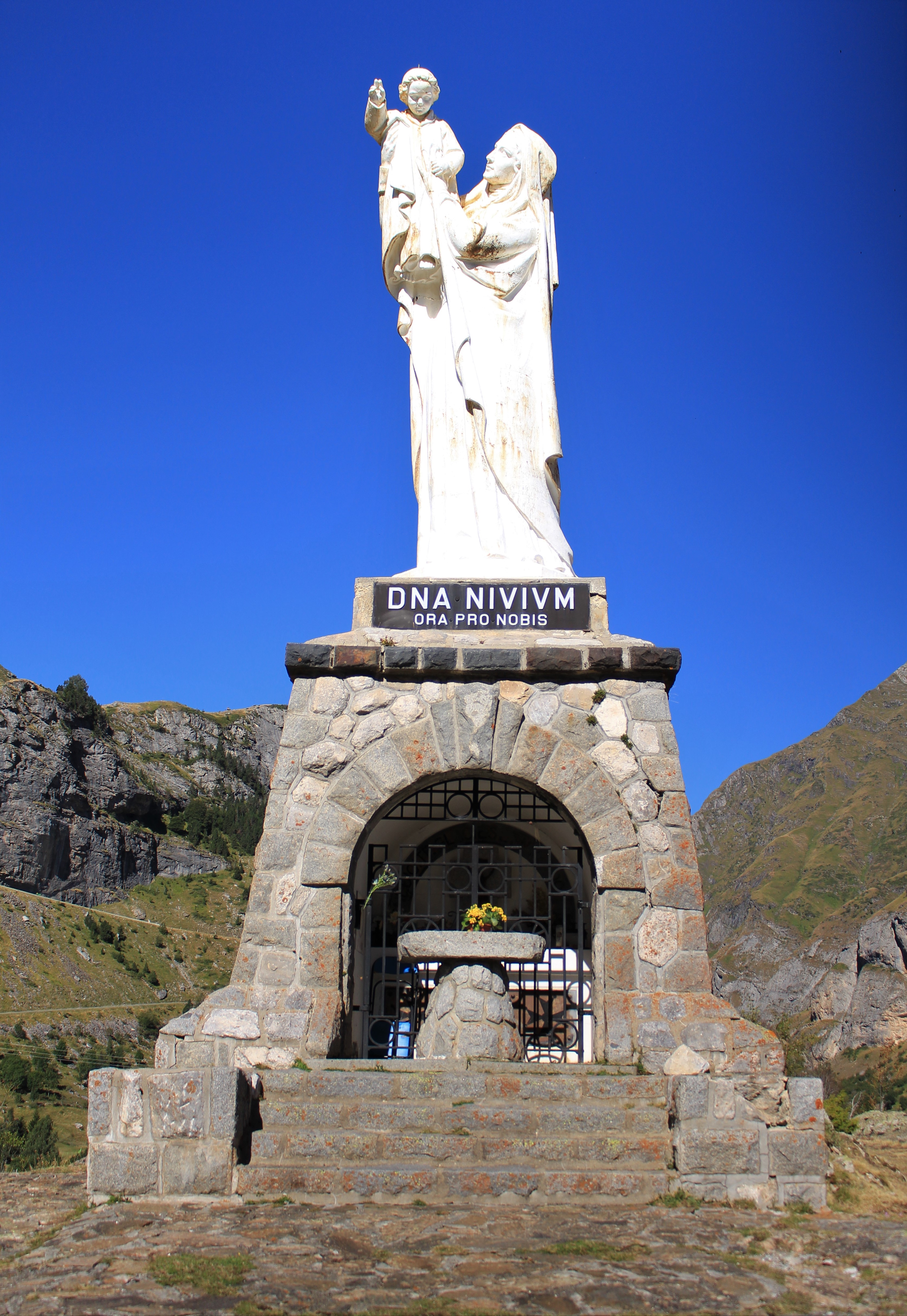
Gavarnie (Gavarnia en occitan gascon) est une ancienne commune française, située dans le département des Hautes-Pyrénées, en région Occitanie, devenue le 1er janvier 2016 une commune déléguée au sein de la commune nouvelle de Gavarnie-Gèdre. Les habitants de Gavarnie se nomment les Gavarniens.
Gallery






Sponsored
Location

212 m
Gavarnie is a former commune in the Hautes-Pyrénées department, Southwestern France. On 1 January 2016, it was merged into the new commune of Gavarnie-Gèdre. Gavarnie is known for the Cirque de Gavarnie, and the Gavarnie Falls in it, part of the UNESCO World Heritage Site Pyrénées – Mont Perdu.
The Prime Meridian passes through Gavarnie, including at its southernmost point in France – the commune touches Aragon, Spain.

4.0 km
The Cirque de Gavarnie is a vast cirque in the central Pyrenees, in southwestern France, close to the border of Spain. It is within the commune of Gavarnie, the department of Hautes-Pyrénées, and the Pyrénées National Park. Major features of the cirque are La Brèche de Roland and the Gavarnie Falls.
It was described by Victor Hugo as "the Colosseum of nature" due to its enormous size and horseshoe shape resembling an ancient amphitheatre. The cirque was inscribed on the UNESCO World Heritage List in 1997 as part of the Pyrénées – Mont Perdu World Heritage Site.
The cirque is 800 m wide and about 3,000 m wide at the top. The rock walls that surround it are up to 1,500 metres above the floor of the Cirque.
During the warmer seasons of spring, summer and fall, there are a number of large meltwater falls that spill into the cirque. The largest of these is Gavarnie Falls, the second-highest waterfall in Europe. It descends some 422 metres over a series of steps before reaching the floor of the cirque.
There are also several passes and clefts between the peaks that form the rim of the Cirque. The largest is La Brèche de Roland, at 2,800 metres above sea level. According to legend, its sheer walls were cut into the mountain by the sword of the hero Roland, nephew to Charlemagne.
The cirque, and many others like it in the Pyrenees, was formed by the process of glacial erosion. The Cirque de Gavarnie's uniquely immense size was likely caused by repeated cycles of glacial scraping over millions of years.
A number of rare plants and animals live on the peaks at the upper rim of the Cirque de Gavarnie, protected on both the French and the Spanish sides by national parks. Martagon lilies grow in the pine forests. Saxifraga and other tiny alpine flowers cling to the rock faces. Pyrenean chamois, a type of mammal similar to goats or antelope, live among the crags.

4.4 km
The Gavarnie Falls is a tiered waterfall in France. With its overall drop of 422 metres, it is the highest waterfall in mainland France. The falls are situated in the Cirque de Gavarnie, near the village Gavarnie in the Hautes-Pyrénées.
The waterfall is the beginning of the Gave de Pau stream. It is fed by a melting snow and a small glacier, located in Spain. This water seeps underground until it appears at the upper rim of waterfall. The average annual flow in the waterfall is 3 m3/s. In summer, when the snowmelt is most intense, it can reach up to 200 m3/s. In winter it sometimes freezes and stops flowing.
The waterfall has 2 - 3 steps; the height of the tallest drop is 281 m.

4.6 km
Le refuge des Sarradets, or refuge de la Brèche de Roland is a mountain refuge in the Pyrenees. It is located in Gavarnie, near la brèche de Roland, in the Pyrenees National Park, at 2,587 m high.

4.8 km
Marboré Peak is a summit in the Pyrenees located on the Franco-Spanish border crest in the Monte Perdido Range.