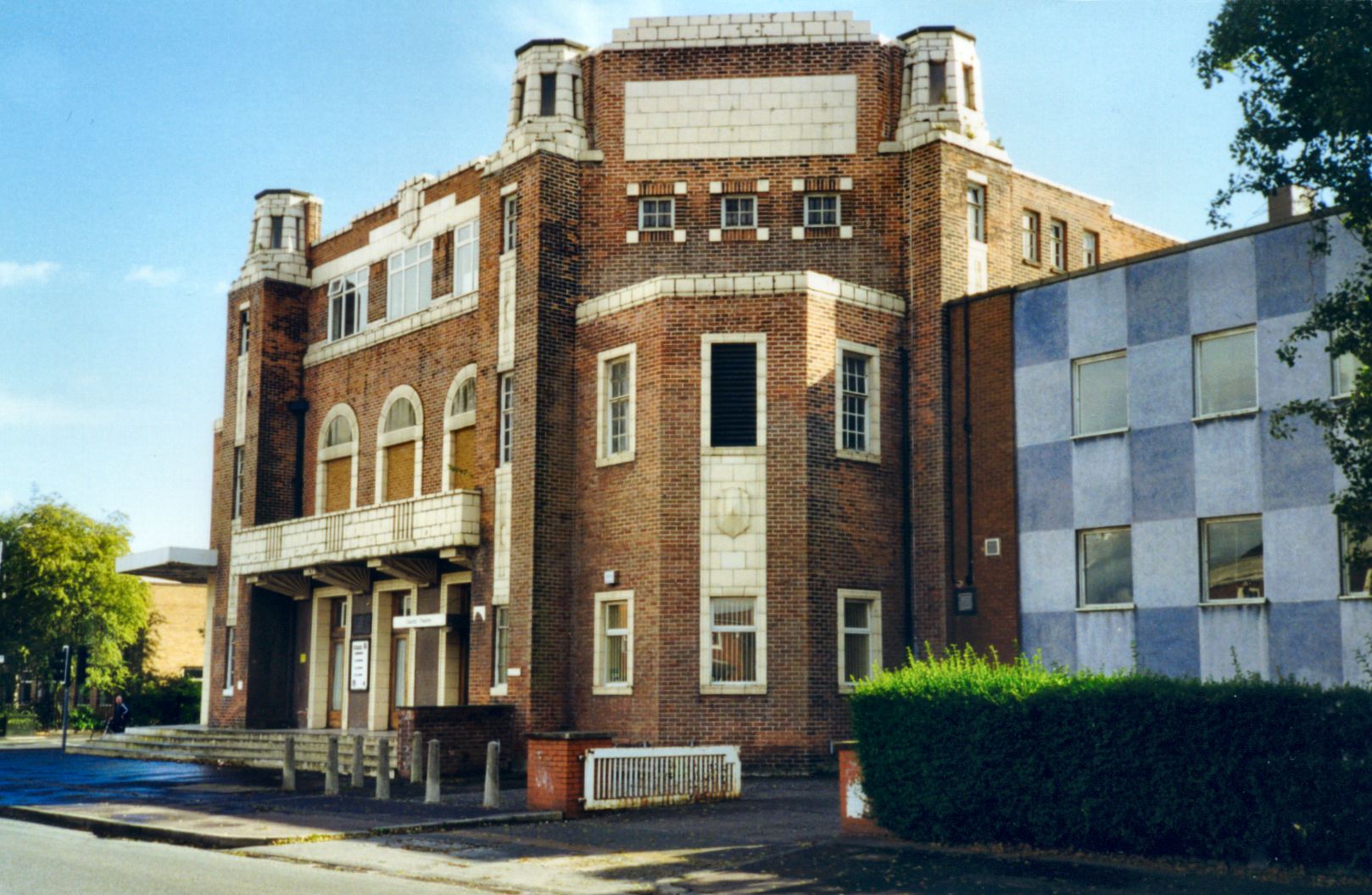
The Capitol Theatre was a cinema in Didsbury, Manchester later used as television studios by ITV contractor ABC Weekend TV from 1956 to 1968. The building opened as a cinema in 1931, but was badly damaged by fire in April 1932 and was closed for repairs until August 1933. The cinema was equipped for the production of live shows, and was used for occasional pantomimes and amateur theatrical performances. In 1956 it was converted into television studios for ABC Weekend TV. Programmes such as Opportunity Knocks and Police Surgeon were made in the studios. Following the merger of Associated Rediffusion and ABC to create Thames Television (on air from July 1968) the studios were leased to Yorkshire Television in 1967 for recording pre-launch programming whilst their own studios were being constructed and in 1970 was sold to Manchester Polytechnic and was the base for their theatre and television school from 1971. Renamed the Horniman Theatre, it staged performances by students of the college, including early performances by Julie Walters, Bernard Hill, and David Threlfall. The theatre reverted to its original name in 1987, and the polytechnic was granted university status as "Manchester Metropolitan University" on 15 September 1992 under the provisions of the Further and Higher Education Act 1992. As part of the university restructuring in 1997, the building was sold to a development company and demolished to make way for blocks of flats. The School of Theatre moved its faculty and performance space to the All Saints campus on Oxford Road, where there is now a new Capitol Theatre, a 140-seat studio space.

Lieux à Proximité Voir Menu
Location Image
583 m

Didsbury

Didsbury est un village suburbain anglais, situé à sept kilomètres au sud de Manchester. Il a une population de 26788 habitants en 2011. La Royal Society for the Protection of Birds a été fondée à Didsbury en 1889.
1.3 km

Burnage (Manchester)

Burnage est un quartier de Manchester, en Angleterre. Alors que ce quartier faisait autrefois partie du Lancashire jusqu'en 1974. Il est situé à environ 6,4 km au sud du centre ville de Manchester, et est traversé par la double-voie très empruntée de Kingsway, qui appartient à la A34. Ce quartier est mitoyen de Withington à l'ouest, Heaton Chapel à l'est et Heaton Mersey au sud. C’est également le quartier dont son originaires Liam et Noel Gallagher membres fondateurs du groupe britannique oasis.
Location Image
1.9 km

Withington (Manchester)

Withington est un quartier de Manchester, dans le Grand Manchester, en Angleterre. Il se trouve à 6,4 km au sud du centre ville de Manchester, 0,6 km au sud de Fallowfield, 0,8 km au nord-est de Didsbury et 1,6 km à l'est de Chorlton-cum-Hardy. Withington est un village-dortoir qui abrite une population de 14 000 habitants. Withington était largement rural jusqu'au milieu du XIXe siècle, mais il connait alors un fort développement socio-économique et une urbanisation liée à la révolution industrielle en Manchester. Le "urban district" de Withington a été fusionné avec la cité de Manchester en 1904.
2.5 km

Cheadle (circonscription britannique)

La circonscription de Cheadle est une circonscription située dans le Grand Manchester, et représentée à la Chambre des communes du Parlement britannique.
Location Image
2.6 km

Northenden

Northenden est une ancienne paroisse du Nord-Ouest de l'Angleterre, aujourd'hui incluse dans les limites de la ville de Manchester dont elle forme une banlieue. Elle se trouve sur la rive sud de la Mersey et de l'autoroute M60, 6,8 km à l'ouest de Stockport et 8,4 km au sud du centre ville de Manchester. Northenden est bordé par les districts de Didsbury, Gatley et Wythenshawe, respectivement au nord, à l'est et au sud-ouest. Elle se trouve dans le district de Wythenshawe.