


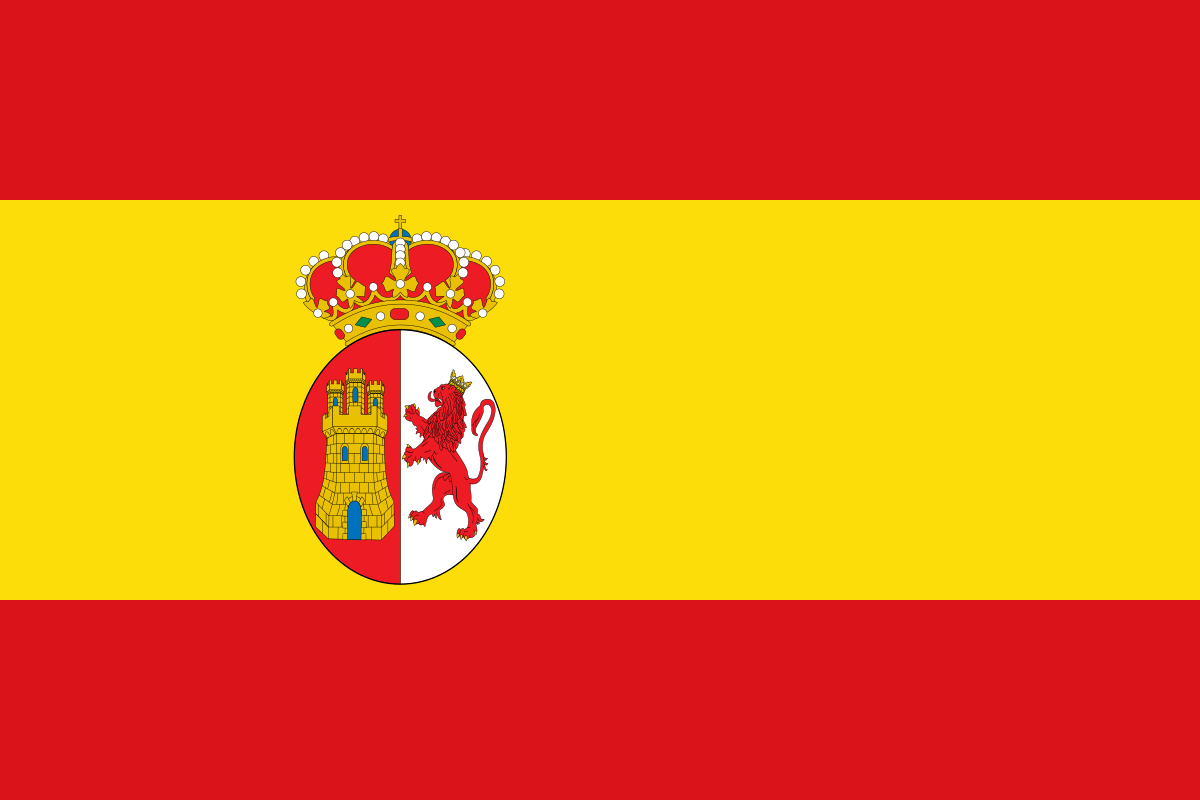
The Viceroyalty of the Río de la Plata or Viceroyalty of Buenos Aires (Spanish: Virreinato del Río de la Plata or Virreinato de Buenos Aires or Spanish: Virreinato de las Provincias del Río de la Plata) meaning "River of the Silver", also called the "Viceroyalty of River Plate" in some scholarly writings, in southern South America, was the last to be organised and also the shortest-lived viceroyalty of the Spanish Empire in the Americas.










Localisation
2 explorateurs ont visité ce lieu




The name "Provincias del Río de la Plata" was formally adopted in 1810 during the Cortes of Cádiz to designate the Viceroyalty of the Río de la Plata. The Viceroyalty was established in 1776 from several former Viceroyalty of Perú dependencies that mainly extended over the Río de la Plata Basin, roughly the present-day territories of Argentina, northern Chile, Bolivia, Paraguay and Uruguay, extending inland from the Atlantic Coast. The colony of Spanish Guinea (present-day Equatorial Guinea) also depended administratively on the Viceroyalty of Rio de la Plata. Buenos Aires, located on the western shore of the Río de la Plata estuary flowing into the Atlantic Ocean, opposite the Portuguese outpost of Colonia del Sacramento, was chosen as the capital. Usually considered one of the late Bourbon Reforms, the organization of this viceroyalty was motivated on both commercial grounds (Buenos Aires was by then a major spot for illegal trade), as well as on security concerns brought about by the growing interest of competing foreign powers in the area. The Spanish Crown wanted to protect its territory against Great Britain and the Kingdom of Portugal. But these Enlightenment reforms proved counterproductive, or perhaps too late, to quell the colonies' demands. The entire history of this Viceroyalty was marked by growing domestic unrest and political instability. Between 1780 and 1782, the Rebellion of Túpac Amaru II inspired a violent Aymara-led revolt across the Upper Peru highlands, demonstrating the great resentment against colonial authorities by both the mestizo and indigenous populations. Twenty-five years later, the Criollos, native-born people of Spanish descent, successfully defended against two successive British attempts to seize control of Buenos Aires and Montevideo. This enhanced their sense of autonomy and power at a time when Spanish troops were unable to help. In 1809, the Criollo elite revolted against colonial authorities at La Paz and Chuquisaca, establishing revolutionary governments or juntas. Although short-lived, retroversion of the sovereignty to the people provided a theoretical basis for the legitimacy of the locally based governments (temporarily in the absence of a legitimate king in Spain). These events proved decisive at the 1810 May Revolution events deposing Viceroy Cisneros at Buenos Aires. The name "Provincias del Río de la Plata" was formally adopted in 1810 during the Cortes of Cádiz to designate the Viceroyalty based on popular sovereignty. The revolution in Buenos Aires spread across the Spanish Provincias del Río de la Plata, against the resistance of Paraguay (which declared itself an independent nation in 1811) and the Upper Peru (which remained controlled by royalist troops from Lima, and was eventually re-incorporated into the Viceroyalty of Peru). Meanwhile, the Governor of Montevideo Francisco Javier de Elío, appointed as a new Viceroy by the Spanish Government in 1811, declared the Buenos Aires Junta seditious. However, after being defeated at Las Piedras, he retained control only of Colonia del Sacramento and Montevideo. He departed by ship to Spain on 18 November and resigned in January 1812. In 1814, the revolutionary patriots entered Montevideo, following a two-year-long siege. The Viceroyalty was disestablished in 1825 as Spanish political entity with the fall of Upper Peru and the death of the last Viceroy Pedro Antonio Olañeta.
Nomenclature
The most common name in Spanish for this administrative division is virreinato del Río de la Plata (Viceroyalty of the Río de la Plata). Nevertheless, while it existed, the name virreinato de Buenos Aires (Viceroyalty of Buenos Aires) was also used. The Río de la Plata was the estuary of the most important port of the Viceroyalty, which was located in Buenos Aires, its capital. In both cases, the word virreinato (viceroyalty) was not part of an official name, but a descriptive term for the administrative division; that is why, following the Royal Spanish Academy's indications, it is written in lowercase in the Spanish language. On 28 February 1810, while Spain was struggling for independence against France, the Junta of Cádiz (provisional government of Cádiz) issued a proclamation urging the Spanish territories in America to found their own juntas as well, while the king was imprisoned by Napoleon. This decision followed the liberal ideas of Cádiz, which pointed to limit the absolute power of the king. Therefore, as they did not want viceroys, they used the name Provincias del Río de la Plata (Provinces of the Río de la Plata) to refer to the South American provinces, since virreinato del Río de la Plata implies the existence of a viceroy. The name Provincias del Río de la Plata would be used by the successor state created during the May Revolution, but would later be replaced by Provincias Unidas del Río de la Plata. Río de la Plata was usually translated as River Plate. This translation originated when plate could mean silver in English (“River of the Silver”). The name Argentina comes from argentum, which means silver in Latin.
Reasons that led to the creation of the Viceroyalty
Around 1650, the majority of South America was part of the Viceroyalty of Peru, but this enormous territory dificulted its administration, which was an important cause for dividing it. Besides, Portugal was aiming to expand their territory of Brazil beyond the borders established by the Treaty of Tordesillas; in 1630, Portuguese governor of Rio de Janeiro had founded Cólonia do Sacramento on the coast of present-day Uruguay, right in front of Buenos Aires. All of this, along with the increasing commercial importance of Buenos Aires, and the frequent expeditions of France and Britain to Patagonia were reasons to have a separate administration in the region.
The Galleon Route
Since 1573, the Spanish commercial monopoly was carried out following the System of Fleets and Galleons, commonly referred to as Galleon Route, instructed by King Philip II. Every year, the New Spain and the Mainland fleets traveled from Sevilla to Veracruz and Portobelo respectively, and later came back to the Peninsula, serving as the commercial connection between the Spanish metropolis and the American territories. The Mainland fleet, for its part, transported goods from South America, including precious metals from Potosí, Upper Peru. On 21 November 1739, Portobelo was attacked, sacked and destroyed by British forces, as part of the War of Jenkins' Ear. After that, the Spanish authorities decided to employ a different and more secure trade route, and considered the one used by smugglers to transport goods from the Upper Peru to the Port of Buenos Aires as an option. Therefore, since the Río de la Plata was the best alternative to the Galleon Route, it was necessary to improve its security. In 1778, King Charles III of Spain promulgated the Royal Regulations and Tariffs for Free Trade from Spain to the Indies (Reglamento y Aranceles Reales para el Comercio Libre de España a Indias), which ended the monopolistic route and opened 13 ports in Spain and 25 in the Indies, including Buenos Aires and Montevideo, allowing them to trade with the metropolis. The Consulate of Commerce of Buenos Aires was authorised that year, but legal difficulties prevented its being established until 1794. This modificication was not free trade —since only Peninsular ships were able to use the legalised ports—, but a predecessor to what would develop. Later, in 1795, commerce with non-Spanish colonies was legalised too, and ships registered in the Indies were allowed to use Spanish ports. In the decade of 1778–1788, the commerce between Spain and Spanish America increased by nearly 700%. All these changes occurred within the framework of the Bourbon Reforms.
The project and the creation of the Viceroyalty
On 8 October 1773, King Charles III asked the Real Audiencia of Lima and the governor of Buenos Aires about the possibility of creating an audiencia in Tucumán. The audiencias were supreme courts of justice that exercised some administrative functions over their territory, in collaboration with the viceroys. A single Viceroyalty could have many audiencias. Both Tucumán and Buenos Aires were part of the Real Audiencia of Charcas (along with much of the present-day Argentina land), within the Viceroyalty of Peru. On 22 January 1775, Viceroy Manuel de Amat y Junient answered the request with a different proposal: to create an audiencia in Buenos Aires and a new viceroyalty, which included the Río de la Plata territories (such as Buenos Aires and Montevideo), and had its capital in Chile. On 1 April 1776, the German-born Portuguese general commander of São José do Norte, Johann Heinrich Bohm, attacked the Santa Bárbara and Trinidad forts, and recovered the village of Río Grande, which had been previously conquered by the Spanish governor of Buenos Aires Pedro de Cevallos. This event made the king think about creating a viceroyalty with its capital on the Río de la Plata instead of Chile. In 1776, a military expedition to South America was being organised. The objective, according to the King Charles III, was to recover the lost territory and punish Portugal. On 27 July 1776, Pedro de Cevallos, who at that time was governor of Madrid, received a letter naming him commander of the campaign. Besides, on 1 August 1776 the king gave him control over the Real Audiencia of Charcas and the corrigimiento of Cuyo, as viceroy and general captain in order to facilitate the mission. When the expedition was finished, Cevallos had to resume its office as governor on Madrid and let the command of Charcas and Cuyo as it was before his arrival. Though theoretically temporary, this separate administration of these territories, with Pedro de Cevallos as viceroy, was the beginning of the new viceroyalty.
Pedro de Cevallos' military expedition
Cevallos started its campaign with the objective of pushing Portugal to the east of the dividing line previously established by the Treaty of Tordesillas. On 20 February 1777, the expedition —that consisted of 116 ships— disembarked on Santa Catalina Island, which surrendered on 5 March. Later, since they were not able to attack Río Grande due to weather conditions, the expedition headed to the south of the Banda Oriental. On 4 June, the Portuguese governor of Colonia del Sacramento surrended to Cevallos, and the city was destroyed. The campaign continued and captured the Fortress of Santa Teresa and the Fort of San Miguel, advancing towards the population of Río Grande. Nevertheless, the offensive stopped when Cevallos was notified about peace negotiations between Spain and Portugal. On 1 October 1777, the Treaty of San Ildefonso was signed by the two colonial powers. Portugal recognised Spanish sovereignty over Colonia del Sacramento and San Gabriel Island. In exchange, Spain had to give up the Santa Catalina Island and Río Grande. Besides, Portugal gave Spain the Fernando Poo and Annobón Islands (nowadays part of Equatorial Guinea).
The formal establishment
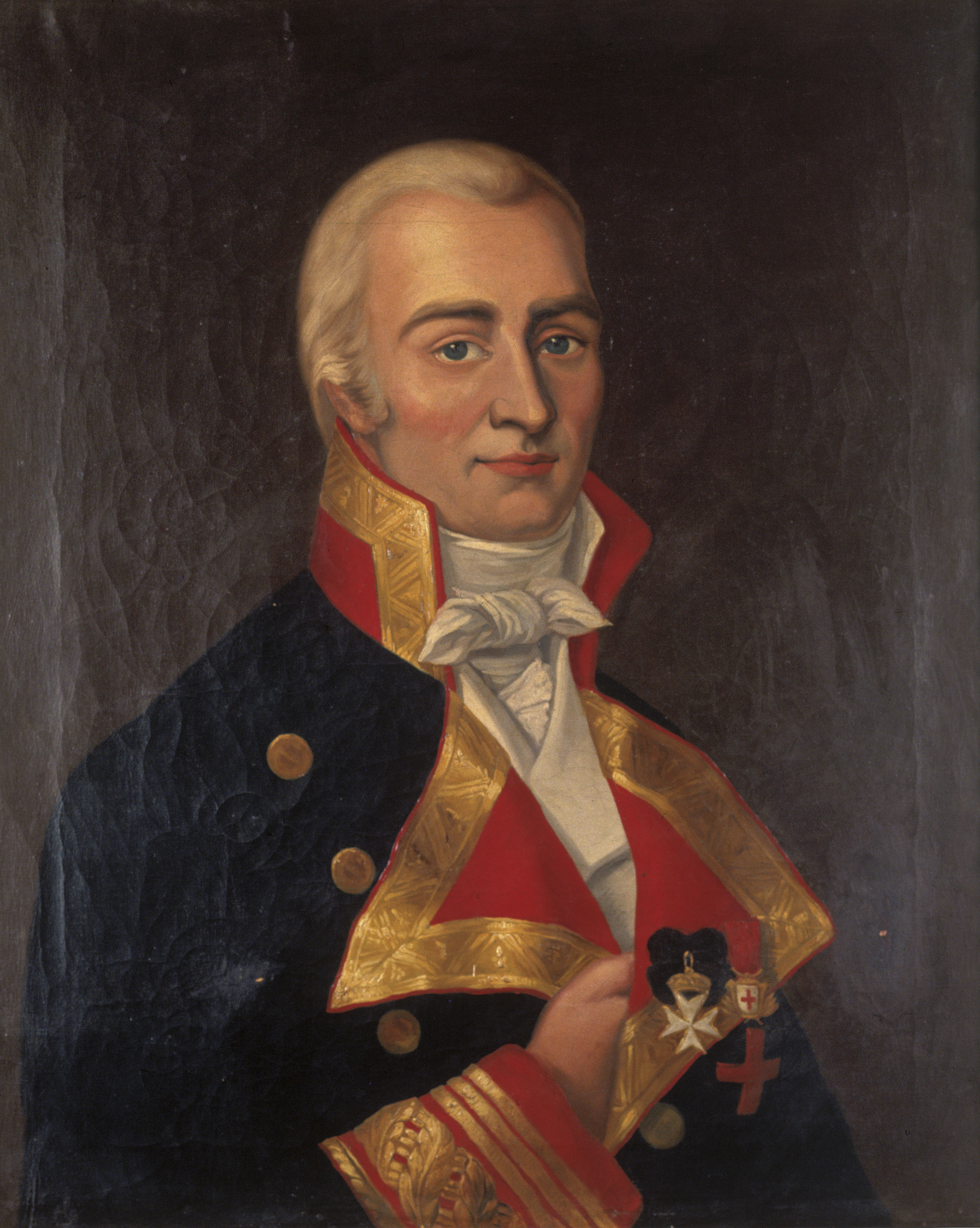
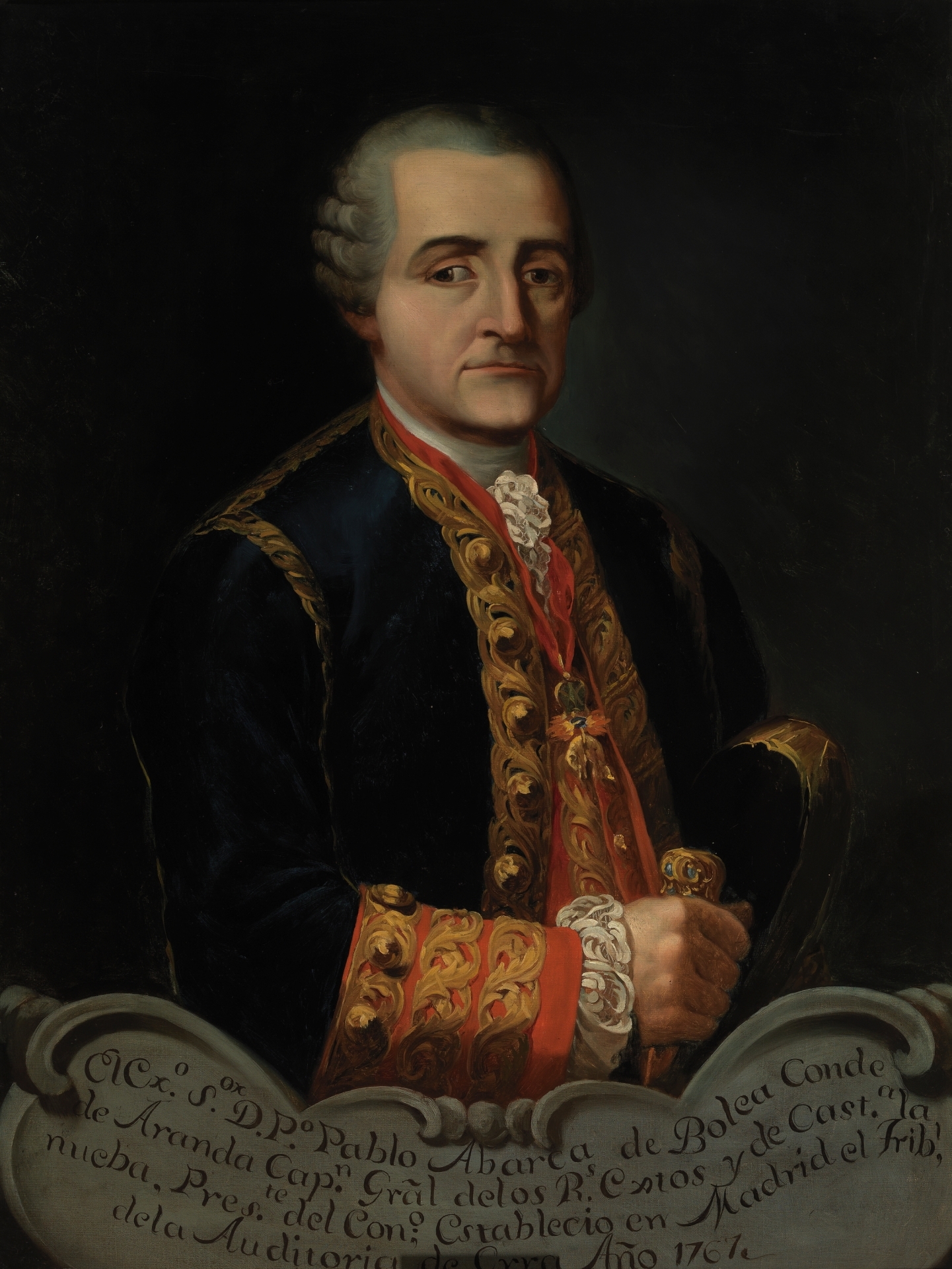
Once the conflict with Portugal was finished, Cevallos arrived at Buenos Aires on 15 October 1777. He dictated the Auto de libre internación, allowing free trade of both products from Spain and the Indies, between Buenos Aires, Chile and Peru. Besides, since Potosí —land of the precious metals— was under his jurisdiction, on 8 July 1777 he had prohibited the delivery of unminted gold and silver to the Iberian Peninsula if it was not done through the Port of Buenos Aires. These measures affected the merchants from Lima, but were allowed by those from Cádiz. On 27 October 1777, the king formalised the creation of the viceroyalty, ending its temporary nature. The reason behind this, in his own words, was that Lima was too far away from Buenos Aires; therefore having a separate viceroyalty was more efficient. The territory remained, but the viceroy was replaced shortly after. On 28 June 1778, Cevallos returned to Spain and handed over the command to the new viceroy, Juan José de Vértiz y Salcedo, as he was expected to do when the campaign was finished. He died on 28 December of that year.
Portuguese capture of the Misiones Orientales
From 1801 to 1802, within the framework of the War of the Oranges, the Misiones Orientales, which were part of the Political and Military Government of the Misiones Guaraníes, were captured by Portuguese forces and discontented Guaraní people. On 1 August 1801, the alliance occupied San Miguel Arcángel, and a few days later conquered the rest of the Misiones Orientales and the town of San Francisco de Borja. Other Portuguese forces took over the military posts between the Piratini and Jaguarão rivers: Batoví, the Fort of Santa Tecla and the Guardia of San Martín. In January 1802, they destroyed the Fort of San José, situated at the south border of the Apa River in Paraguay. The King of Portugal accepted to return the conquered territories to Spain, but never did so. This loss, along with the loss of Paraguay in 1810, resulted in the narrow extension of present-day Argentina in its northeastern corner, which belongs to the Misiones Province.
The British invasions
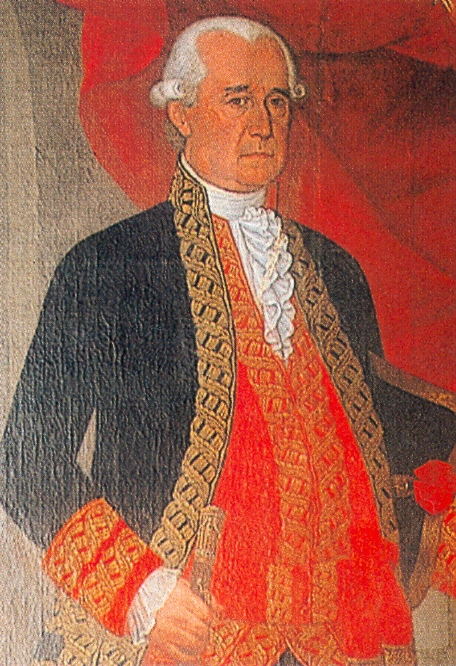
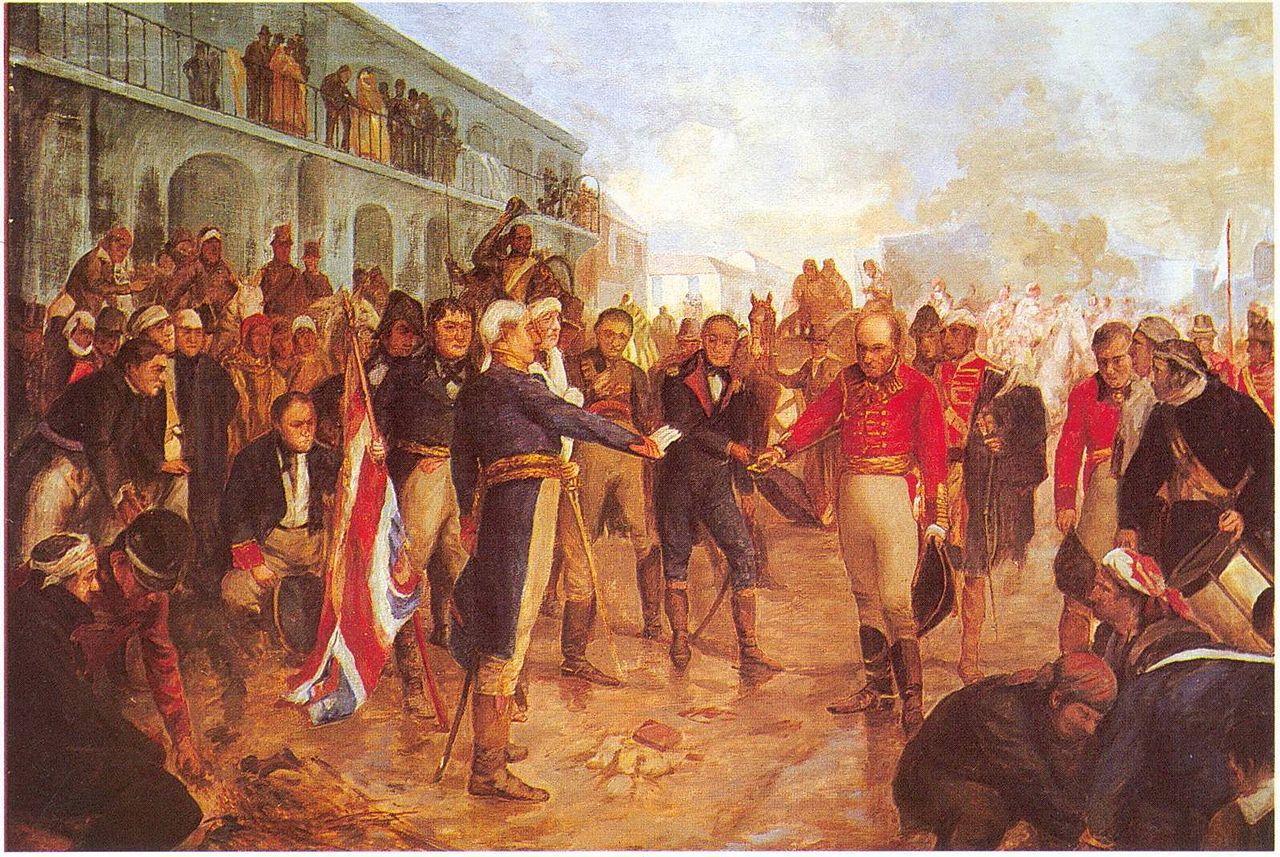
In 1806, during the Napoleonic Wars, the French Emperor Napoleon Bonaparte established the Continental System, a large-scale embargo against Britain. As Spain was allied with France, it obeyed the imposition and illegalised trade with the British; and though it kept occurring through the smugglers, it was more difficult. On the other hand, Britain was aiming to expand its influence and achieve new markets. The Río de la Plata was a good objective: it had a very important port, it wasn't protected by a professional army and it had a valuable treasure that couldn't be delivered to Spain due to the naval blockade established after the Battle of Trafalgar. Besides, capturing it would later allow Britain to move forward to Potosí and take its precious metals. In June 1806, a military expedition planned by Home Riggs Popham and commanded by William Carr Beresford captured Buenos Aires and established a provisional government, which decreed free trade with Britain. The Viceroy Rafael de Sobremonte had gone to Córdoba with the treasure and proclaimed that city as the provisional capital on 14 July 1806. On the other hand, in Montevideo, the French-born Spanish military man Santiago de Liniers, who had been sent there by the viceroy, was organizing an army to defeat the invasion. This army consisted of a cavalry unit commanded by Juan Martín de Pueyrredón and composed of people from Buenos Aires and nearby towns. Besides, there were hundreds of volunteers. This army recovered Buenos Aires 46 days after it was captured; Beresford surrendered and was arrested. This event is known as La Reconquista (The Reconquest). A few days after La Reconquista, the Cabildo replaced Rafael de Sobremonte with Santiago de Liniers as viceroy, marking the first time a viceroy was selected by local authorities instead of the king. Between 1806 and 1807, Liniers organised urban militias in order to protect the Viceroyalty. Each militia was linked to a social class and a weapon. That was the beginning of important militias such as the Regiment of Patricians, which would have an important role in the May Revolution. On the other hand, the British never left the Río de la Plata, and kept up a blockade while waiting for reinforcements, which would arrive a year after the First Invasion. On 28 June 1807, the Second Invasion began under John Whitelocke's command. This time, the British captured Montevideo first and defeated Liniers in the Battle of Cordón. In Buenos Aires, Martín de Álzaga organised a resistance with urban militias and unarmed civilians. The British entered the city willing to capture the Fort (the government building), but were rejected by the people. The neighbors threw boiling water and other objects at the British soldiers. Finally, Whitelocke surrendered on 7 July. This event is known as La Defensa (The Defence). The British invasions have many different interpretations according to each historiographical current. First, they are usually divided into the First and the Second Invasion, but some historians talk about a single invasion since the British never left the Río de la Plata. Besides, it is widely considered that the successful defence of the Viceroyalty is the “seed of the freedom” of the people in the Río de la Plata, because it proved that they were capable of defending themselves without Peninsular reinforcements. However, according to other historians, the ideas of the Enlightenment and the inspiration of the French Revolution were already circulating in some groups. The British invasions also left very important marriages that would later become destinguished families of the Argentine society, such as the Bell, Newton, Tomkinson, Wilde, Lynch, Lumb, Green, Smith, Milber, O'Connor, Cranwell, Stegman, Shaw, Writh, Lawson, etc.
Liniers government
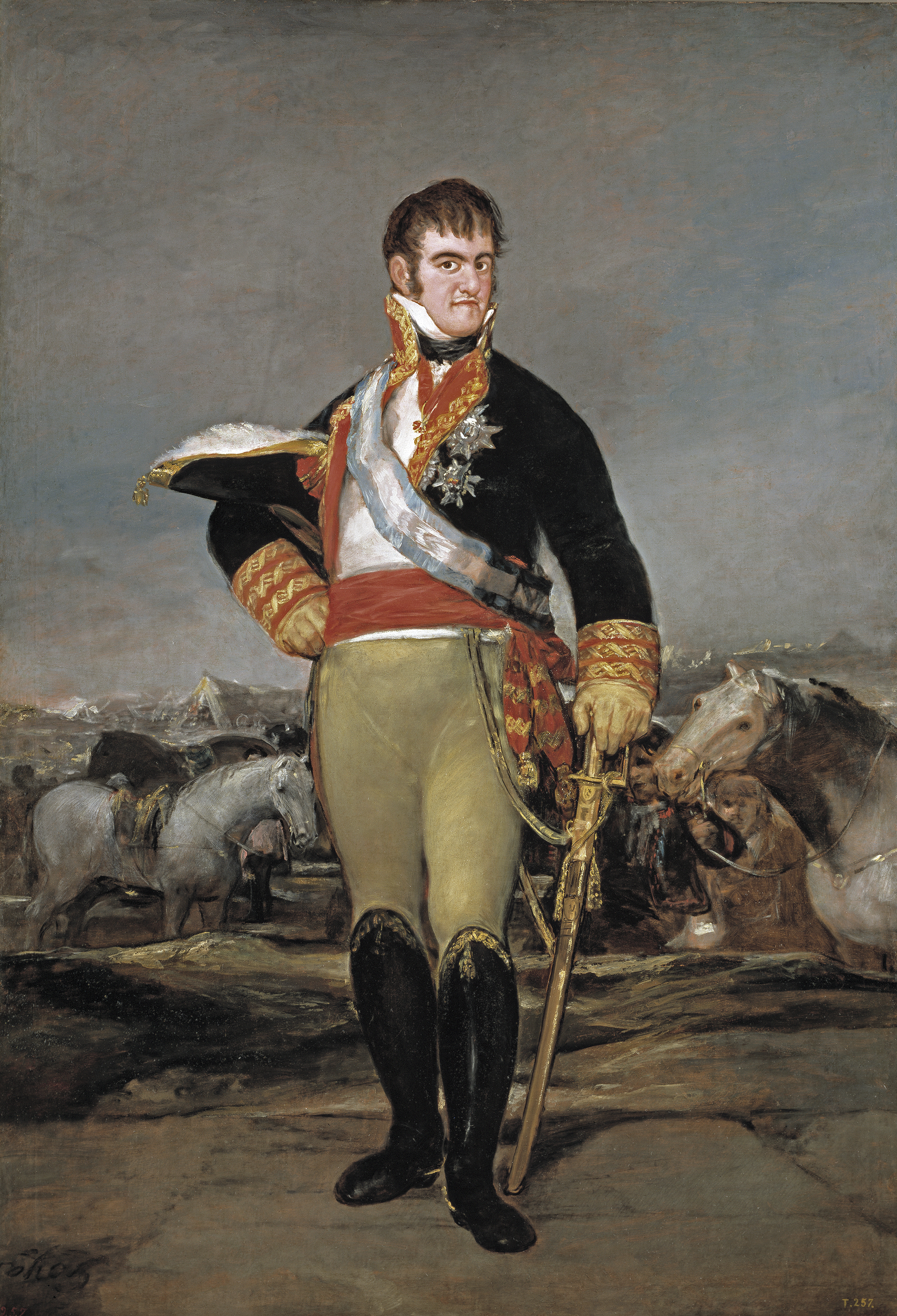
On 13 February 1808, the appointment of Liniers as viceroy, made by the Cabildo a year earlier, was ratified by the King of Spain. Nevertheless, Liniers' government started to have huge problems a few months later, when the French invasion of Spain took place and Napoleon appointed his brother Joseph Bonaparte as king of Spain. Due to his French origin, many politicians and people started to distrust Liniers, whose political mistakes made the situation worse. In August 1808, the Marquis of Sassenay arrived in the Viceroyalty of the Río de la Plata, willing to convince the local government to swear loyalty to Napoleon's brother as new king of Spain. Liniers rejected him in public, but met him in private a day later. As a direct consequence, many people started to suspect that Liniers might be negotiating and agreement. On the other hand, Liniers was having an affair with a French woman in the Viceroyalty, though he was married in Europe. This was a scandal among the criollo elites, which were very Catholic. After Liniers and Sassenay's private meeting, the Viceroy proclaimed neutrality in the Peninsular War, which implied refusing to recognise both the authority of the King Joseph I and the provisional government juntas, as well as temporarily governing the Viceroyalty as an autonomous entity under his command, in the name of Ferdinand VII. This was seen as treason by the governor of Montevideo, Javier de Elío, who rejected Liniers' authority and founded a provisional government junta in his province on 20 September 1808, after an open cabildo. On 1 January 1809, the Peninsular merchant, Martín de Álzaga —who had organised La Defenda during the Second British Invasion— attempted to overthrow Liniers by demanding his resignation. He was supported by the Cabildo —which he presided over—, and many Peninsular urban militias, which were all over the central square (Plaza de la Victoria, nowadays known as Plaza de Mayo). Liniers was about to sign his resignation and authorise the creation of a junta, but then Cornelio Saavedra appeared with his Regiment of Patricians and many civilians who supported Liniers, in order to prove that a majority of the population did so. After this, the attempted coup ended. The Junta of Cevilla appointed Baltasar Hidalgo de Cisneros as the new viceroy of the Río de la Plata. He arrived in Montevideo first; De Elío recognised his authority and dissolved his junta. Then Cisneros went to Buenos Aires, where Liniers gave him command peacefully.
The Falkland Crisis
In 1766, Spain acquired the French colony on the Falkland Islands, called Port St. Louis; after assuming effective control in 1767, it placed the islands under a governor subordinate to the Buenos Aires colonial administration. The expulsion of the British settlement in 1770 brought the two countries to the brink of war but a peace treaty was offered by Spain "to restore the port and fort called Egmont, with all the artillery and stores, according to the inventory" which was accepted by Britain. However, neither side relinquished sovereignty over the Falklands.
Decline
By the nineteenth century, Buenos Aires was becoming more self-sufficient, producing about 600,000 head of cattle annually (of which about one quarter was consumed locally). The area was rapidly developing. But wars with Great Britain meant a great setback for the region's economy, as maritime communications were practically paralysed. The Upper Peru region started to show resistance to continued support of the administration and defense of the Río de la Plata estuary; it provided the main support but its silver production at Potosí was declining. In the first years of the viceroyalty, around 75% of the expenses were covered with revenues from the north. The Alto Plata (mostly present-day Paraguay) also had problems with the Buenos Aires administration, particularly because of its keeping a monopoly on exports. The Napoleonic Wars on the Continent preoccupied the Spanish government and, after its defeat, Napoleon placed his brother Joseph on the Spanish throne. By 1805, Spain had to help France because of their 1795 alliance, and lost its navy to the British in the Battle of Trafalgar. The Spanish prime minister had warned the viceroyalty of the likelihood of a British invasion, saying it could not provide support to the city of Buenos Aires. On 27 June 1806, a British force of around 1,500 men under Col. William Carr Beresford successfully invaded Buenos Aires. Viceroy Rafael de Sobremonte had escaped to Córdoba. The British forces were thrown back by the criollos in December 1806, a militia force from Montevideo under the leadership of Santiago de Liniers. In February 1807, British reinforcements of about 8,000 men under Gen. Sir Samuel Auchmuty captured Montevideo after a fierce fight. In May Lt. Gen. John Whitelock arrived to take overall command and attacked Buenos Aires on 5 July 1807. After losing more than half his force, who were killed or captured, Whitelock signed a cease-fire and departed for Great Britain. The criollo bourgeoisie aspirations in the face of lack of support from Spain and the defeat of a world power by local forces added to their confidence and fueled their movement toward independence. As of 1814, Argentina had been self-governed for about four years, and Paraguay had already declared its independence. The viceroyalty was effectively dissolved locally when the rebel troops entered Montevideo after a two-year-long siege. The war remained in Upper Peru until 1825.
Administrative divisions
The Spanish Empire in America maintained two types of administrative divisions simultaneously: the audiencias and the viceroyalties (there were also captaincies general, as an alternative to viceroyalties adapted to specific circumstances). While the audiencias were supreme courts of justice, acting like the judicial power, the viceroyalties were the actual governments capable of managing the economy, the military and other executive functions. Since they were different entities, the territory of an audiencia could consist of specific parts of different viceroyalties. In the same way, a single viceroyalty could be covered by more than one audiencia. When the Viceroyalty of the Río de la Plata was created, it included the territories of the Viceroyalty of Peru that were encompassed by the Royal Audiencia of Charcas, as well as the corregimiento of Cuyo, which was covered by the Royal Audiencia of Chile. The territories of Charcas consisted of 5 governorates, 2 Spanish corregimientos and 21 indigenous corregimientos. New divisions were created later, such as the Governorate of Fernando Pó y Annobón and the Indigenous Corregimiento of Chulumani.
Administrative divisions from 1776 to 1784
From 1776 to 1784, the viceroyalty was divided into governorates and corregimientos. The governorates encompassed bigger territories, while the corregimientos had smaller ones. Besides, sometimes the governorates included the political-military governments; this administrative division existed in frontier territories like Montevideo, which borders Brazil.
Administrative divisions from 1784
The corregidores (leaders of the corregimientos) were very unpopular, since the majority of them was related to corruption scandals. This was due to a failure in the system of corregimientos: The charge of corregidor was sold at a very high price, which was even higher than the salary. Therefore, in order to recover the money they paid, the corregidores used to extract resources from the local economy. Within that framework, in 1782 King Charles III signed the Real Ordenanza de Intendentes de Ejército y Provincia (Royal Ordinance of Army and Provincial Intendants) and reorganised the administrative divisions of the viceroyalty. The governorates were replaced by eight intendancies (Buenos Aires, San Miguel de Tucumán, Cuyo, Paraguay, Santa Cruz de la Sierra, La Paz and Chuquisaca), which also received the name of provinces. The corregimientos were suppresed, as well as the political-military governments (with the exception of the Political and Military Governments of Montevideo and the Misiones Guaraníes). However, before the royal ordinance took effect, the king made some modifications in 1783. He ordered to keep the Political and Military Governments of Moxos and Chiquitos, along with the other two Political-Military Governments he ordered to preserve before, therefore cancelling the elimination of the Political-Military Governments. On the other hand, the king ordered to cancel the creation of the Intendancy of San Miguel de Tucumán, in order to create the Intendancies of Salta del Tucumán and Córdoba del Tucumán instead. Besides, he ordered to create the Intendancy of Cochabamba instead of the Intendancy of Cuyo. The reorganization was completed around 1784, resulting in the following list:
The Intendancy of Puno became part of the Viceroyalty of Peru in 1796. The Intendancies of Chuquisaca, La Paz, Potosí and Cochabamba, as well as the Political and Military Governments of Moxos and Chiquitos, stopped being part of the Viceroyalty of the Río de la Plata in 1810, since they were annexed by the Viceroyalty of Peru when Buenos Aires decided not to recognise the authority of the Council of Regency of Spain and proclaimed its own government. On the other hand, the Intendancies of Buenos Aires, Salta del Tucumán and Córdoba del Tucumán, along with the Political and Military Government of the Misiones Guaraníes, swore loyalty to the new Buenos Aires government (the Primera Junta), and became part of the Provinces of the Río de la Plata. The Intendency of Paraguay rejected Buenos Aires' authority, but declared independence a year later. By 1811, the Political and Military Government of Montevideo was the only remaining administrative division of the Viceroyalty of the Río de la Plata, and was captured by the United Provinces in 1814, marking the de facto end of the viceroyalty.
Government
The Viceroyalty of the Río de la Plata was created in 1776 by Charles III of Spain. Although it functioned as a Spanish colony, Río de la Plata was technically a personal possession of the King of Spain. This allowed both European Spain and its overseas territories to have their own laws and regulations.
Dependencies
Intendency (Spanish: Intendencia) of Buenos Aires: cities of Buenos Aires, Corrientes, Santa Fe, Colonia and Carmen de Patagones. Government (Spanish: Gobernación) of Montevideo: city of Montevideo. Government of Misiones: cities of San Ignacio, Yapeyú and Candelaria. Intendency of Paraguay: city of Asunción Intendency of Córdoba: cities of Rio Cuarto, Córdoba, La Rioja, San Juan, Mendoza and San Luis Intendency of Salta: cities of Catamarca, Santiago del Estero, Tucumán, Salta and Jujuy Government of Chiquitos Intendency of Potosí: cities of Potosí and Oruro. Intendency of La Paz: city of La Paz. Intendency of Cochabamba: cities of Cochabamba and Santa Cruz de la Sierra. Intendency of Charcas: city of Charcas (modern Sucre). Government of Moxos
List of viceroys
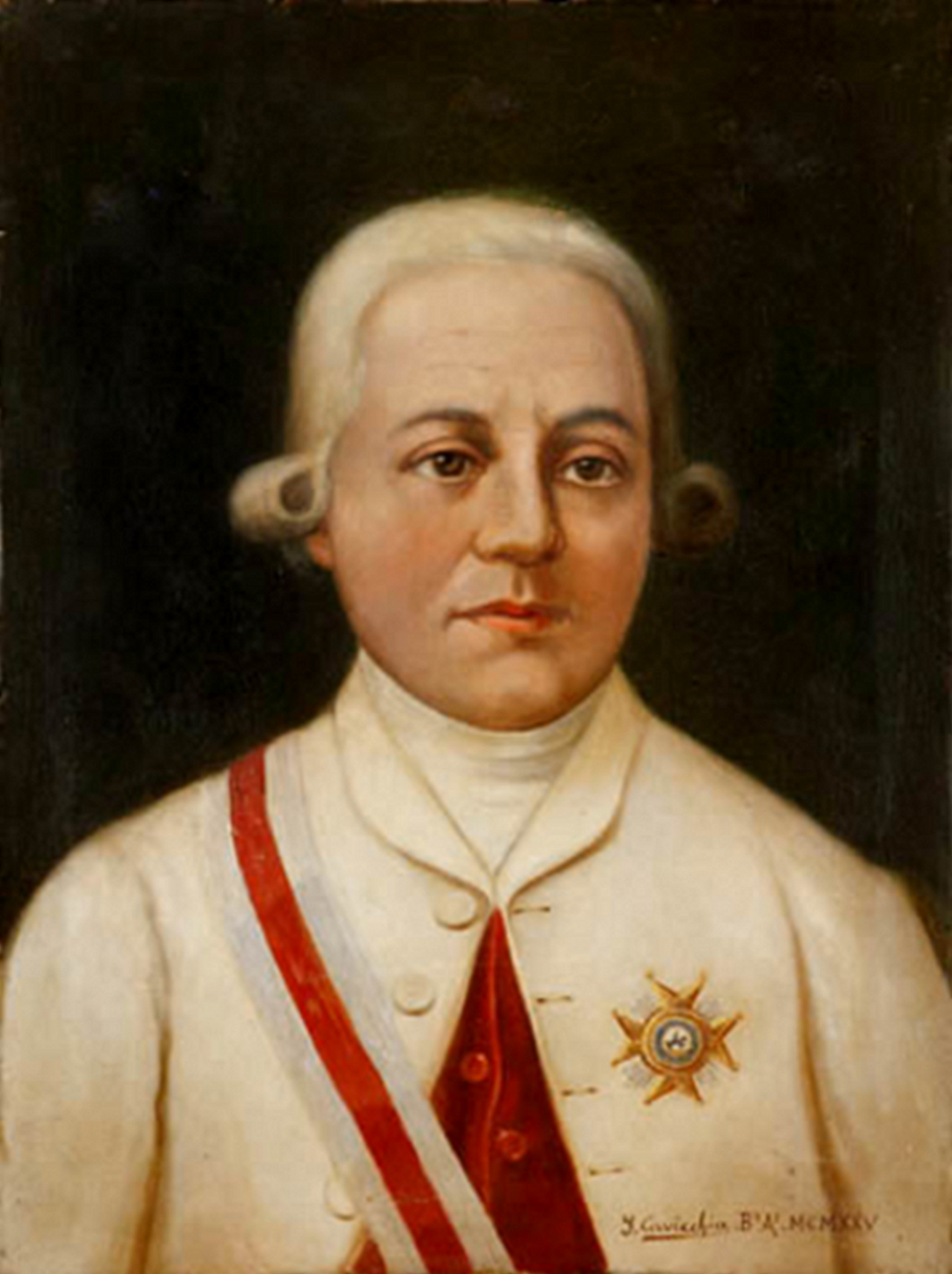
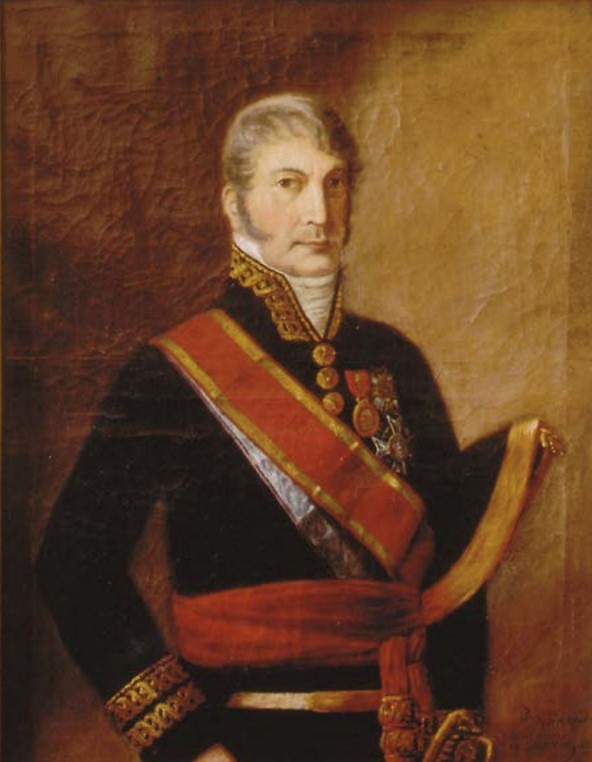
The King of Spain appointed viceroys to govern the Spanish viceroyalties in his name. In the beginning their terms had no fixed duration and could last for life. Later he established fixed terms of three to five years. Because of the distances between Spain and South America, and with sailing as the chief means of transport, there were long delays between the designation of a viceroy and the viceroy's effectively taking power. In addition, regular communication between the Crown and the viceroyalty was equally delayed. The viceroyalties had to operate with considerable independence and self-reliance.
See also
List of governors in the viceroyalty of the Río de la Plata Argentine War of Independence United Provinces of the Río de la Plata History of Argentina History of Bolivia History of Paraguay History of Uruguay Spanish Guinea Viceroyalty of Peru Viceroyalty of New Granada