


St Helen's Church is the parish church of Bilton-in-Ainsty, a village west of York in North Yorkshire, in England. Although no church in the village is mentioned in the Domesday Book, the various Saxon fragments incorporated in the current building suggest that there was a previous church on the site. The current church was built in about 1150 by the Haget family.


Localisation
2 explorateurs ont visité ce lieu



In 1160, its advowson was granted to Syningthwaite Priory, then in 1293 it became a prebendary of York Minster. In the first half of the 13th century, north and south aisles were added to the nave, and in the 15th century, these were extended along the chancel. More new windows were inserted in the 17th century, and the porch door is dated 1633.
It is claimed that the church served as a military hospital following the Battle of Marston Moor, in 1644. A satirical carving of a crowned snake, in the church door, has been attributed to a Royalist officer held prisoner in the building. From 1869 to 1871, the church was restored by George Gilbert Scott, who removed a west gallery, replaced the pews, and found parts of various early crosses buried in the churchyard. The church was Grade I listed in 1966.
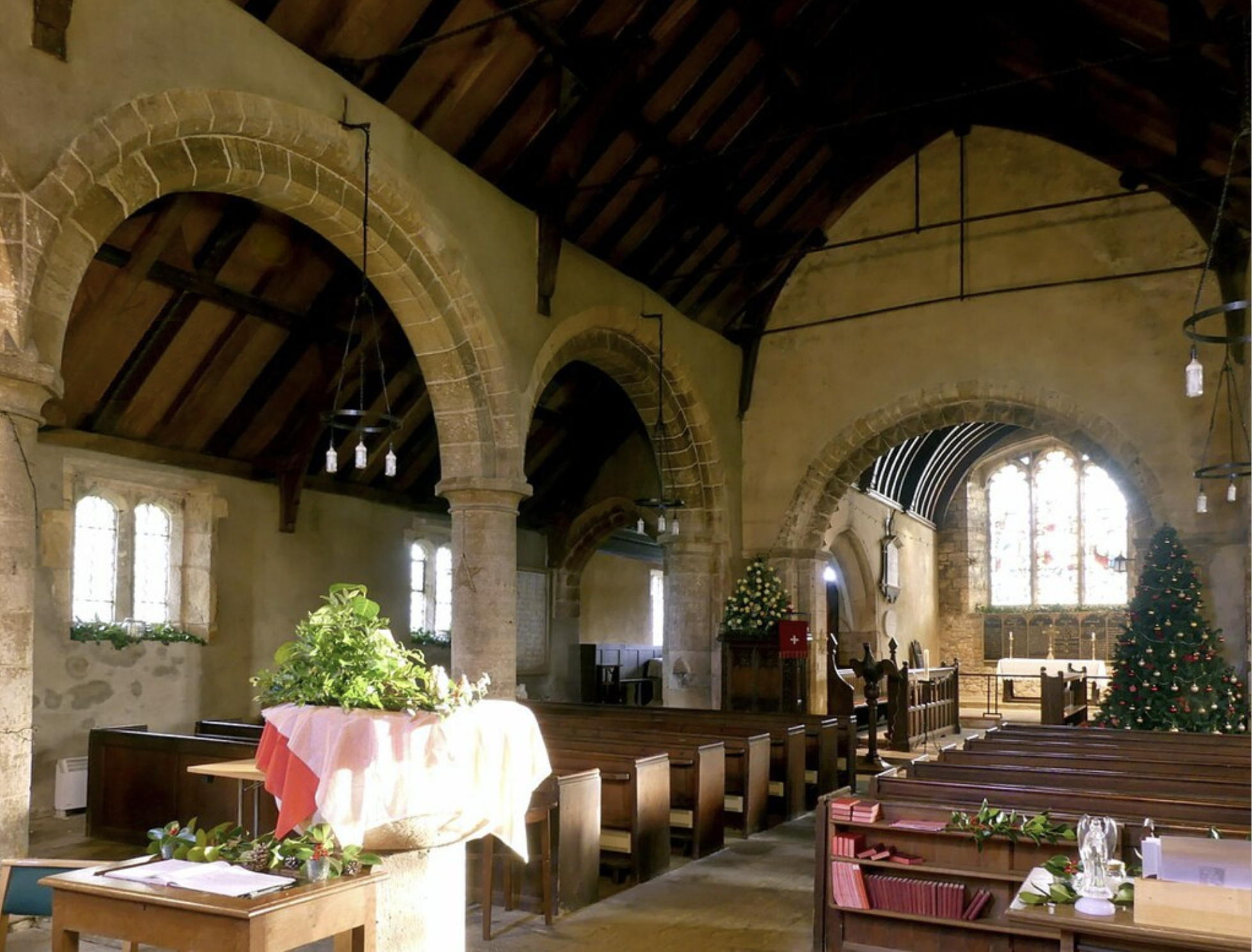
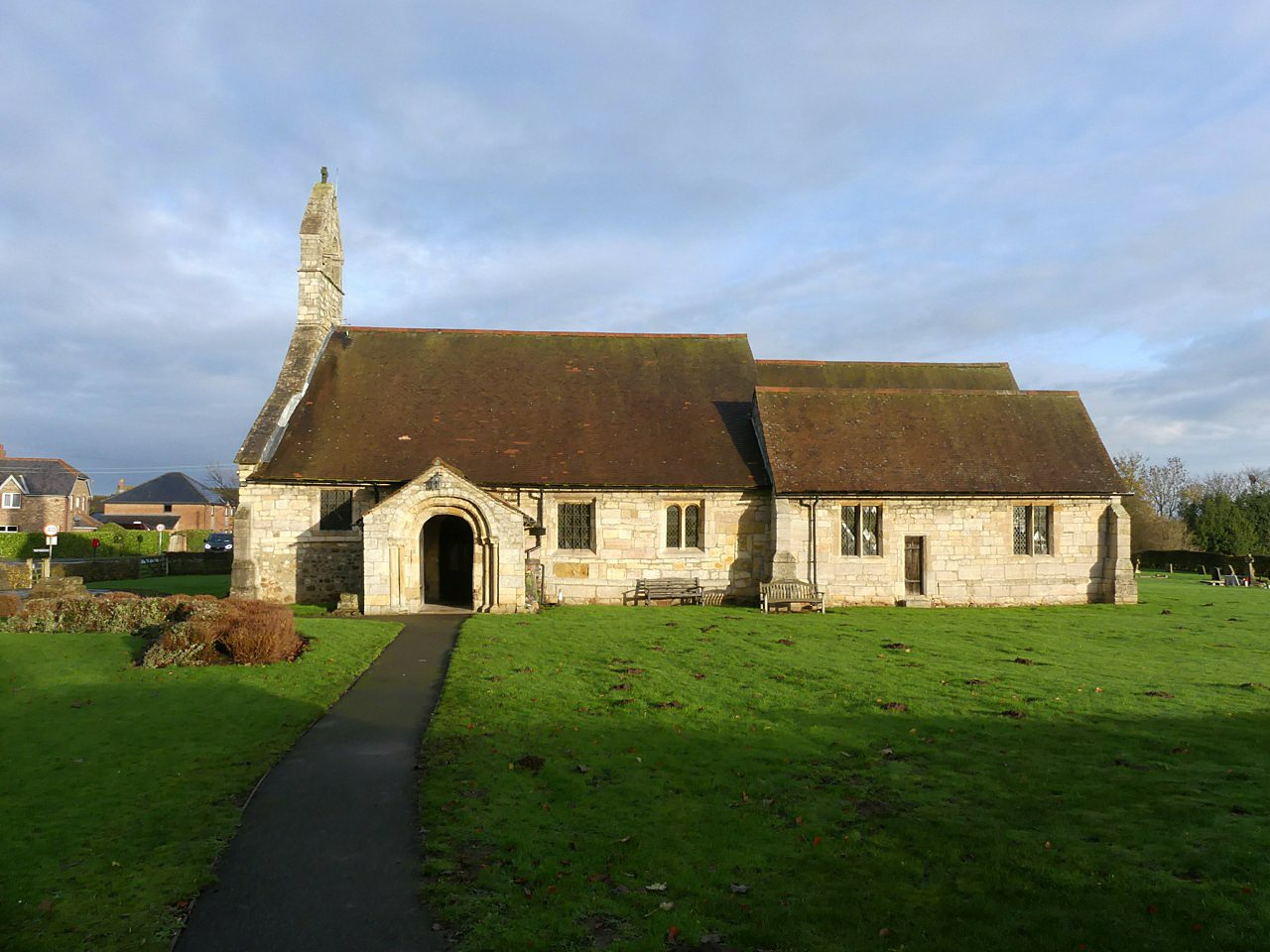
The church is constructed of limestone and cobbles. It has a four-bay nave and three-bay chancel, aisles, a south porch, and a bellcote at the west end. The bellcote dates from the 17th century and is believed to have replaced a bell tower. The west wall has a restored Norman arched window, with an oculus window above, and the south aisle has a possible Saxon window in its west wall, reset in the 13th century and restored by Scott. Inside, the aisles have arcades with circular piers. The chancel has remains of a piscina, and has corbels in the eaves with early carvings of animals and two sheela na gigs. There is also a carved mass dial. There are fragments of three 10th century Anglo-Norse crosses, and one Saxon cross. There is a brass monument of about 1400, which is believed to depict an abbess of Syningthwaite. The plain bowl font was moved from Tockwith. There is also an altar table from about 1600 and an eagle lectern of similar date.
See also
Grade I listed buildings in North Yorkshire (district) Listed buildings in Bilton-in-Ainsty with Bickerton
Connaissez-vous St Helen's Church, Bilton-in-Ainsty ?
Legend suggests that a prisoner held in the church following the Battle of Marston Moor left behind a satirical carving of what creature?
9 utilisateurs ont répondu correctement