


The timeline of Cheshire history shows significant events in the history of the English county of Cheshire.





Localisation
2 explorateurs ont visité ce lieu


1–500 AD
70: The Romans found the fortress and town of Deva Victrix, now Chester. c. 90: Legio XX Valeria Victrix arrive in Chester. 410: Romans retreat from Britannia. 429: Germanus of Auxerre wins the Battle of Maes Garmon, near Mold, and establishes Cadell as the Christian ruler of a region, later Powys, based on pre-Roman Cornovii territory, thought to include Cheshire.
7th century
603: Synod of Chester. 616: Æthelfrith of Northumbria defeats a Welsh army at the Battle of Chester. 689: Church of St John the Baptist founded outside Chester city walls by King Æthelred of Mercia and Bishop Wilfrid.
9th century
830: The district was subjugated by Ecgberht, King of Wessex and incorporated in the kingdom of Mercia. 874 or 875: St Werburgh's remains brought to Chester for protection against Danish invaders. c. 890: Chester establishes a mint. 890: Plegmund, probably of Plemstall, becomes Archbishop of Canterbury. 893: First mention of Scandinavian settlers in Chester. 893–894: A Danish force overwinters in Chester. 894–895: King Alfred drives the Danes from Chester.
10th century
907: Chester refounded as a burh by Æthelflæd and King Edward the Elder, and re-fortification starts. 907: Church to St Werburgh, later Chester Cathedral, founded by Æthelflæd, rebuilt from an earlier church dedicated to St Peter and St Paul. 907: Æthelflæd founds new church dedicated to St Peter and St Paul in Chester. 914: The Iron Age hill fort at Eddisbury is re-fortified by Æthelflæd. 915: Æthelflæd builds a burh at Runcorn. 915–920: Re-fortification of Chester probably completed. 919: Edward the Elder builds a burh at Thelwall. 923–924: Chester revolts against rule from Wessex and is subdued by Edward the Elder. 17 July 924: Edward the Elder dies at Farndon or Aldford. 937: King Æthelstan defeats the armies of Dublin, Alba and Strathclyde at the Battle of Brunanburh, probably near Bromborough. 958: King Edgar of England grants a charter to St Werburgh's Abbey, Chester. 973: Edgar of England visits Chester. 980: Vikings raid Chester. 980: First recorded use of the shire or county of Chester.
11th century
1007: Eadric Streona becomes the King's ealdorman of Mercia. 1016: Edmund Ironside ravages Chester. c. 1017: King Cnut executes Eadric Streona, and makes Leofric Earl of Mercia. 1062: Edwin succeeds as Earl of Mercia. 1069–1071: William I leads the Norman Conquest into Cheshire; besieges Chester and kills Edwin, Earl of Mercia. 1070: Hugh d'Avranches created as first Earl of Chester. 1070: Chester Castle built. 1070: Frodsham Castle built. 1075: St John the Baptist's Church, Chester becomes a cathedral. 1092: Monastery founded on site of current Chester Cathedral by Hugh d'Avranches.
12th century
1115: Norton Priory founded. 1133: Combermere Abbey founded. 1140: Serious fire in Chester. c. 1150: Ranulf de Gernon, 4th Earl of Chester founds a Benedictine nunnery in Chester. 1157: Henry II entertained at Chester Castle. 1165: Henry II entertained at Chester Castle again. 1180: Serious fire in Chester. 1182: Cheshire land north of the Mersey becomes part of the new county of Lancashire. 1190: Ranulf de Blondeville, 6th Earl of Chester founds Little St John's Hospital in Chester. c. 1195: Liber de Luciani laude Cestrie, the oldest surviving piece of Cheshire writing, was created.
13th century
1211: King John entertained at Chester Castle. 1215–16: In the Carta Communis Cestriensis, Ranulf de Blondeville, 6th Earl of Chester grants limited concessions to his feudal lords. 1220s: Beeston Castle built. 1236: Dominican friars arrive in Chester. 1237: 7th Earl of Chester, John, dies without a male heir. Henry IV passes the title to his son, Prince Edward – later to become King Edward I. 1237–38: Franciscan friars arrive in Chester. 1237–51: Stone walls replace the wooden palisade around Chester Castle. 1253: Aldford and Alderley markets created. 1261: Macclesfield market created. 1264: The castle and city of Chester were granted to Simon de Montfort. 1272: Congleton market created. 1275: Monks of St Werburgh's Abbey build Kaleyard Gate in Chester city walls. 1277: King Edward I lays foundation stone to Vale Royal Abbey. 12 May 1278: Serious fire in Chester when nearly the whole of the city is burnt. 1279–80: Timber superstructure of the Old Dee Bridge swept away. 1280: Over market created. 1281: Serious fire in Middlewich. 1292–93: Chambers for the king and queen, and a new outer gatehouse built at Chester Castle.
14th century
1306: Serious fire in Northwich. 1322–25: Chester Water Tower built. 1349: The black death arrives in Cheshire. 1364: Doddington Castle built. 20 July 1376: Charter of disafforestation of Wirral issued. 1387: Major repairs to the Old Dee Bridge. 1391: Norton Priory becomes a mitred abbey. 1394: Richard II visits Chester with many of his nobles. 1397: Lands in the march of Wales added to Cheshire, and it is promoted to the rank of principality. 16 October 1398: Richard II gives 3000 marks to his Cheshire supporters at the Battle of Radcot Bridge. 1399: Henry IV (then still Duke of Lancaster) seizes Chester Castle and causes Richard II to be brought there from Flint Castle, after which Richard abdicates and Henry becomes king. 1399–1407: Tower built to fortify Chester's Dee Bridge.
15th century
1400: Unsuccessful attack on Chester Castle by supporters of deposed Richard II. July 1403: Many Cheshire gentry support the unsuccessful uprising of Henry "Hotspur" Percy against Henry IV. 1422: First reference to Chester Mystery Plays. 1433: Famine led to food shortages in Chester. July 1438: Serious fire in Nantwich. 1444: Henry VI visits Chester. 1445: Fee-farm (rent payable to the Crown) for Chester is halved from £100 to £50, attributed to silting of the River Dee; further reductions agreed in 1484 and 1486. 1450: A group of Cheshire gentry successfully petitions the Crown against the introduction of a parliamentary subsidy. 1452, 1455, 1459: Margaret of Anjou visits Chester. 23 September 1459: Many Cheshire gentry killed fighting on both sides in the Battle of Blore Heath, early in the Wars of the Roses. 1470: Edward IV visits Chester. April 1484: Richard III visits Chester. March 1486: Henry VII visits Chester. 1488: Stockport Grammar School is founded. 1492, 1494: Fires in Chester's Foregate and Northgate Streets. July 1493: Henry VII again visits Chester. 1497: First performance of Chester Midsummer Show.
16th century
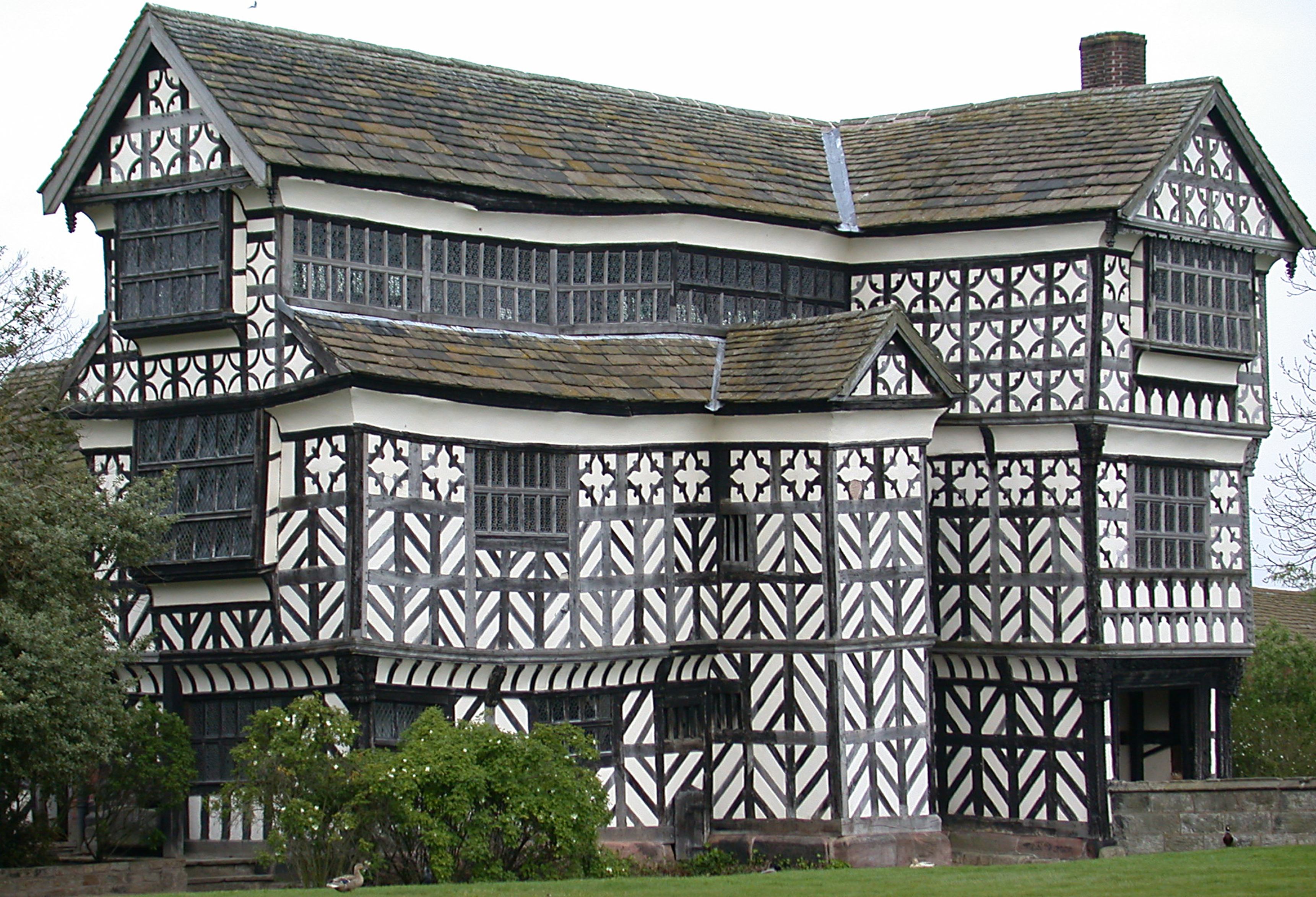
1502: Macclesfield Grammar School is founded. 1504-1508: Construction of the earliest part of Little Moreton Hall near Congleton. 1506: Great Charter establishes Chester as a county, codifies its government, and gives the city the right to hold a court of quarter sessions. April 1506: Henry VII visits Chester. 1507: Outbreak of "sweating sickness" in Chester. 1510: St Ursula's Hospital founded in Chester. 1527: Malpas Grammar School founded. 1535: Outbreak of plague in Nantwich. 1536: Dissolution of Norton Priory. 1536: First piped water supply for civil use in Chester established. 1538: Dissolution of Vale Royal Abbey by Sir Thomas Holcroft. July 1538: Dissolution of Combermere Abbey. 15 August 1538: Dissolution of Chester's three friaries. 20 January 1540: Dissolution of St Werburgh's Abbey. 1541: St Werburgh's abbey becomes a cathedral of the Church of England known as Chester Cathedral by order of King Henry VIII. Chester becomes a diocese. 1543: Cheshire sends its first members to sit in Parliament. 1575: Chester Mystery Plays are banned.
1577: Christopher Saxton publishes his map of Cheshire. 1578: Sandbach market opens. December 1583: Fire destroys much of Nantwich, but not Churche's Mansion built in 1577. 1584: Elizabeth I contributes to a national fund for the rebuilding of Nantwich. 1591: Stanley Palace built in Chester on the site of the former Dominican friary.
17th century
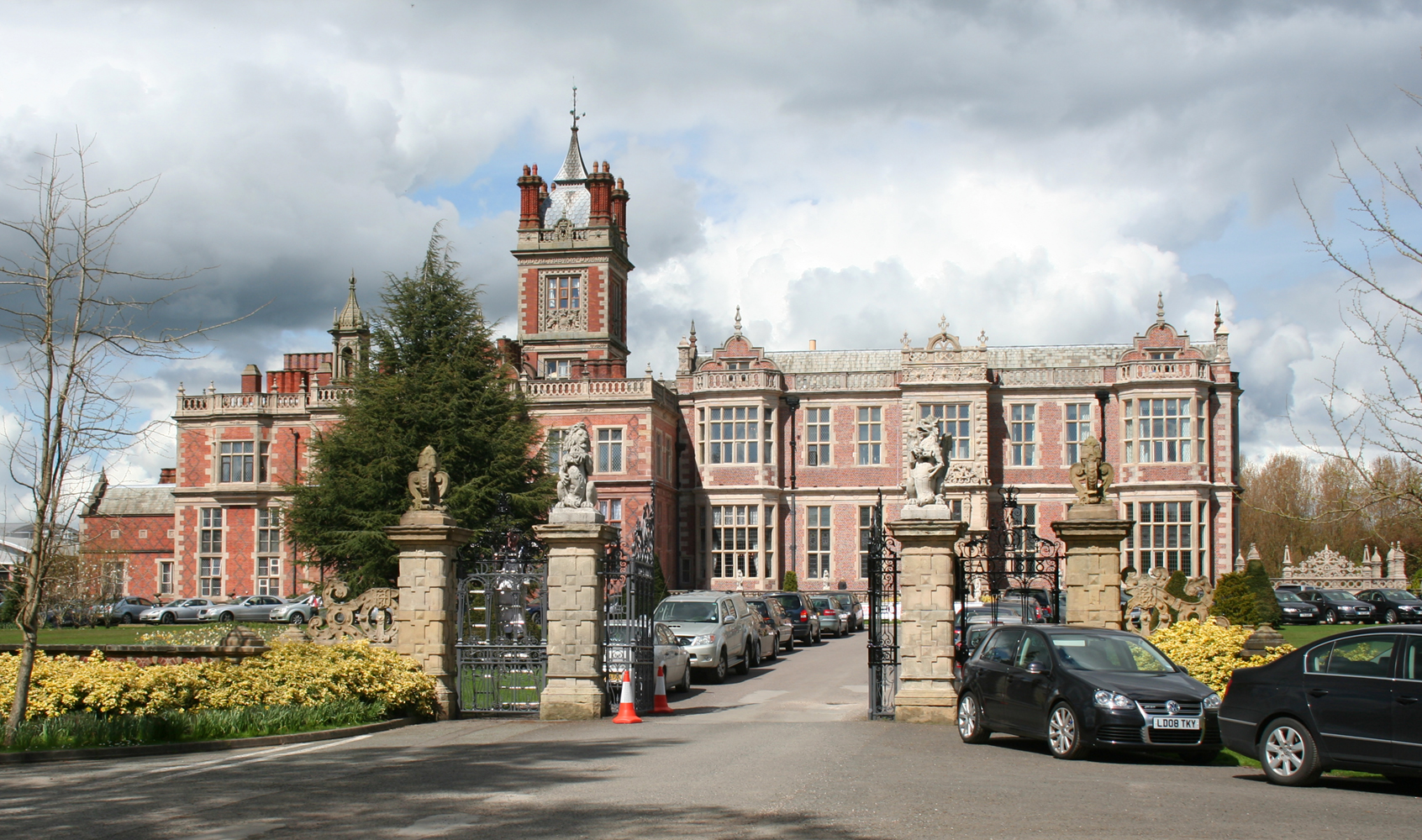
1604: Outbreak of the plague kills around 500 people in Nantwich. 1636: Completion of Crewe Hall. 1637: First known stagecoach runs between Birmingham and Holywell via Nantwich and Chester. 1642: Failure of the Bunbury Agreement, an attempt by local gentry to keep Cheshire neutral in the English Civil War. 23–28 September 1642: Charles I in Chester. 13 March 1643: First Battle of Middlewich in English Civil War. 24 January 1644: Battle of Nantwich in the English Civil War. November 1644–February 1645: Siege of Chester. 24 September 1645: Battle of Rowton Heath in the English Civil War. 3 February 1646: Chester surrenders to the Parliamentary forces. 21 October 1650: First record of the Cheshire cheese trade with London. 1655: Cheshire under military rule, governed by Charles Worsley. 1657: Stagecoach service begins between London and Chester. 1670: Smith-Barry family re-discovers salt in Northwich and mining restarts. 1674: John Ray's Collection of English Words includes written record of the Cheshire dialect. 1687: James II visits Chester. 6 June 1690: William III stays at Combermere Abbey on his way to the Battle of the Boyne.
18th century
1700: Brine springs are discovered at Winsford. 1735–36: The New Cut dug along the River Dee from Chester to Connah's Quay because of silting of the river. 1744: Charles Roe builds a watermill in Macclesfield and triggers start of the silk industry. 12 May 1762: Creation of the title of Baron Vernon, of Kinderton in the County of Chester.
1763: Cheshire Hunt founded. March 1776: Bridgewater Canal complete throughout its length from Manchester to Runcorn. 1777: Completion of the Trent and Mersey Canal. 1779: The Chester Canal opens between Chester and Nantwich. 1780: Chester Eastgate rebuilt. 1780: Marston salt mine opens. 1781: Chester Northgate rebuilt. 1784: First mail coach runs through Cheshire, between London and Holyhead. 1788: Chester Watergate rebuilt. 1788–1815: Major rebuilding of Chester Castle by Thomas Harrison 1795: The Chester Canal extended to Ellesmere Port.
19th century
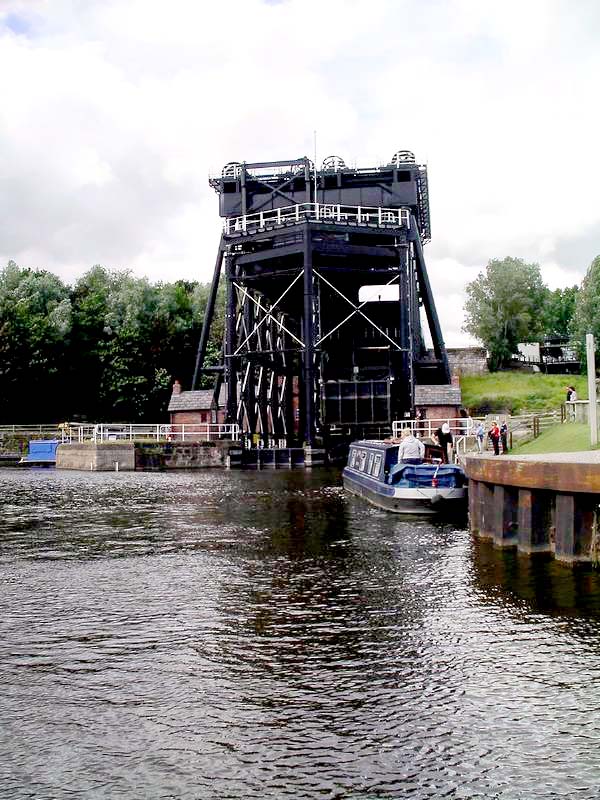
July 1804: Runcorn to Latchford Canal opens. 1806: The Middlewich Branch opens, linking the Shropshire Union and the Trent and Mersey Canals. 1808–10: Chester Northgate rebuilt. 8 May 1817: Early paper on Cheshire dialect read at Society of Antiquaries by Roger Wilbraham. 1812: Delamere Forest disforested. 1832: The future Queen Victoria opens the Grosvenor Bridge in Chester. 1837: Crewe railway station is built in fields near to Crewe Hall. 1838: First meeting of the Cheshire Agricultural Society. 1839: Foundation of Chester Diocesan Training College, now the University of Chester. 1840: Crewe–Chester–Birkenhead railway line opens. 1843: Crewe Railway Works opens. 1843: Foundation of the Chetham Society. 1845: Crewe Railway Works completes its first locomotive, Columbine. 24 May 1847: Five people are killed in the Dee bridge disaster when a girder of the railway bridge crossing the River Dee fractures. 1848: Chester railway station opens. 1855–76: George Gilbert Scott works on restoring Chester Cathedral. 1857: Cheshire Constabulary founded. 1862: Chester Exchange is gutted by fire. 1865–66: Devastating outbreak of rinderpest (cattle plague) causes the collapse of the county's economy. 1867: Grosvenor Park opens in Chester. 21 May 1868: The first train crosses Runcorn Railway Bridge. 1869: Railway line opens between Weaver Junction and Liverpool via Runcorn. 15 October 1869: Chester Town Hall opened by Prince of Wales, later King Edward VII. 1871: Population: 561,201. 1874: John Brunner and Ludwig Mond found Brunner Mond in Winnington near Northwich and start manufacturing soda ash. 1874: Cheshire Lines Committee opens railway line between Manchester and Chester via Altrincham. 1875: Anderton Boat Lift opens. 1877: Glossary of Cheshire dialect published by Egerton Leigh. 11 March 1878: Foundation of the Record Society of Lancashire and Cheshire. 1881: The west tower of St John the Baptist's Church, Chester collapses. 1886: The Grosvenor Museum opens in Chester. 1886: Rail tunnel under the River Mersey opens between Liverpool and Birkenhead. 1889: Cheshire County Council founded. 1891: Population: 730,058. 21 May 1894: Manchester Ship Canal officially opened by Queen Victoria. 27 May 1899: Official opening of Eastgate Clock in Chester on Queen Victoria's 80th birthday.
20th century
1901: Population: 815,099. 29 May 1905: Widnes-Runcorn Transporter Bridge officially opened by Sir John Brunner. 1914: Completion of 800 houses were built since 1899 at Port Sunlight to house a population of 3,500. 1921: Cheshire School of Agriculture opens at Worleston. 1926: Imperial Chemical Industries is created. 1931: Chester Zoo opens. 1938: Newgate opens in Chester. 1951: Chester Mystery Plays are revived. 21 July 1961: Runcorn-Widnes road bridge (later named the Silver Jubilee Bridge) is opened by Princess Alexandra. 1964: Runcorn New Town is designated. 1969: First conservation areas designated, including Chester and Nantwich. 1 April 1974: Cheshire boundaries changed by Local Government Act 1972. Runcorn and Widnes merge to form the Borough of Halton. 1982: Norton Priory Museum opens. 1983: Anderton Boat Lift closes. 26 February 1993: IRA explosive devices go off at Warrington gasworks. 20 March 1993:: IRA explosive devices kill two children and injure 54 people in Warrington. 1 April 1998: Halton and Warrington become unitary authorities.
21st century
2002: Anderton Boat Lift reopens. 1 September 2007: The Cheshire Regiment merges into the Mercian Regiment. 1 April 2009: Two unitary authorities of Cheshire West and Chester and Cheshire East replace Cheshire County Council and its districts. 14 October 2017: Mersey Gateway Bridge, a six-lane road bridge crossing the River Mersey between Runcorn and Widnes, opens.
See also
History of Cheshire