


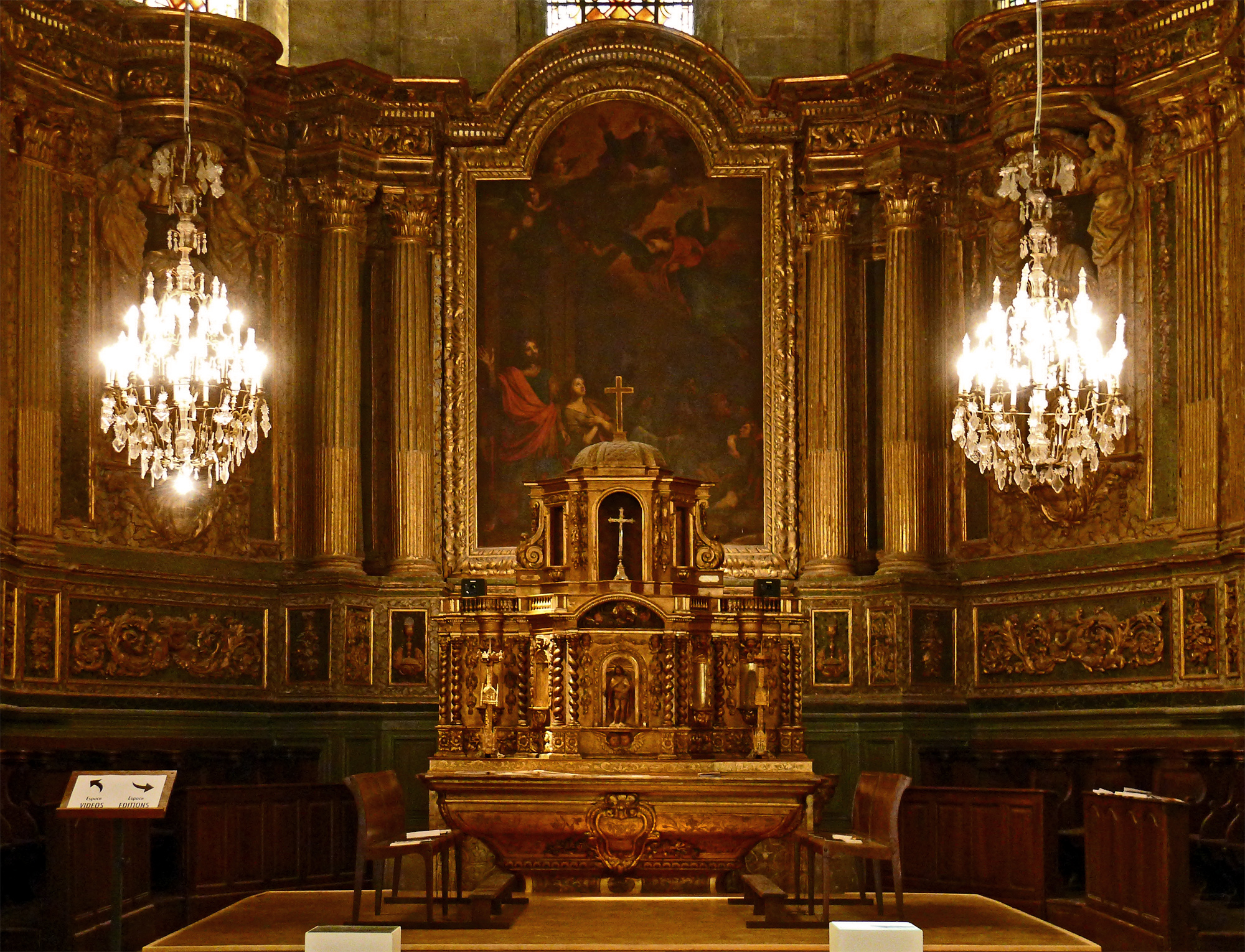
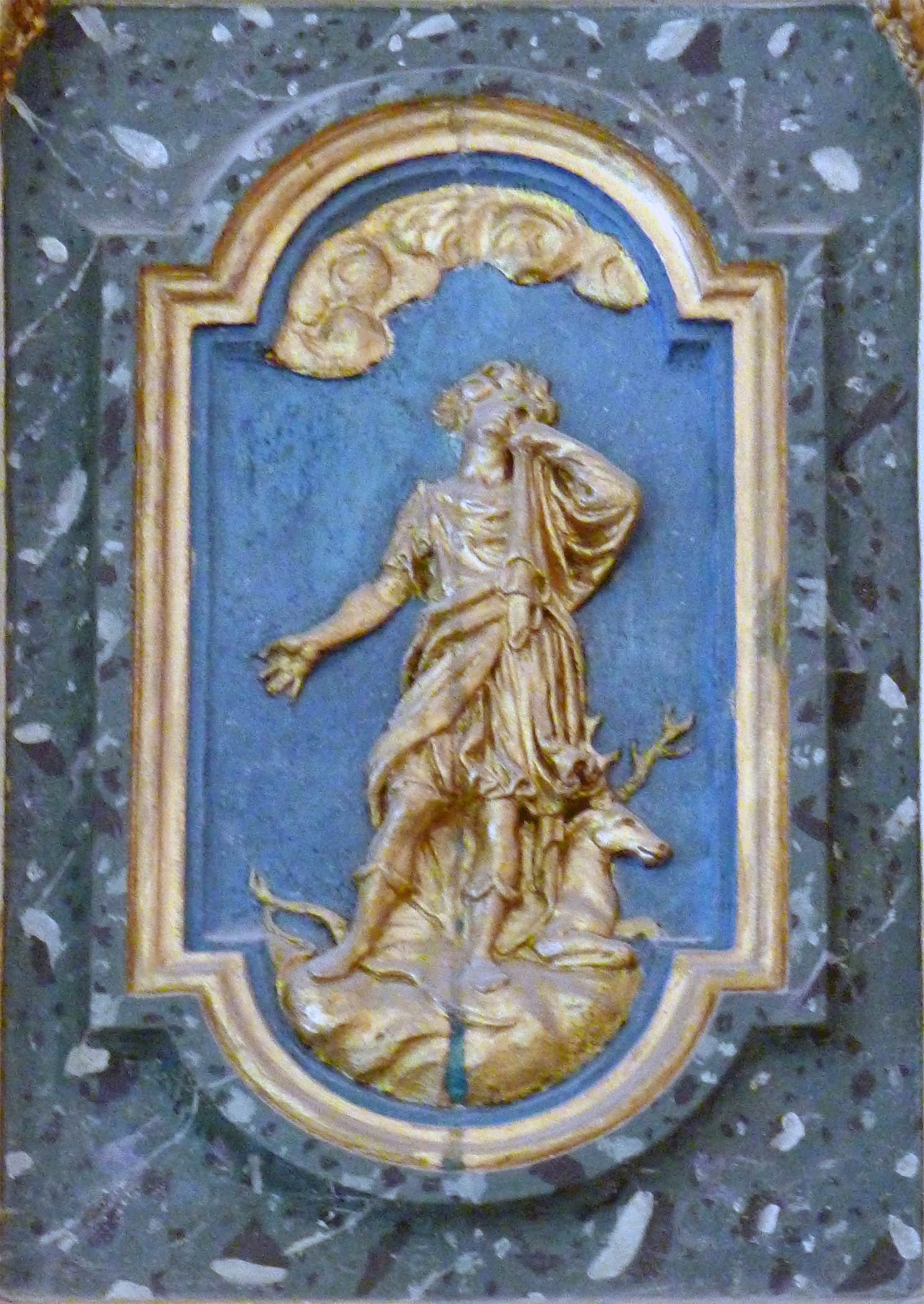
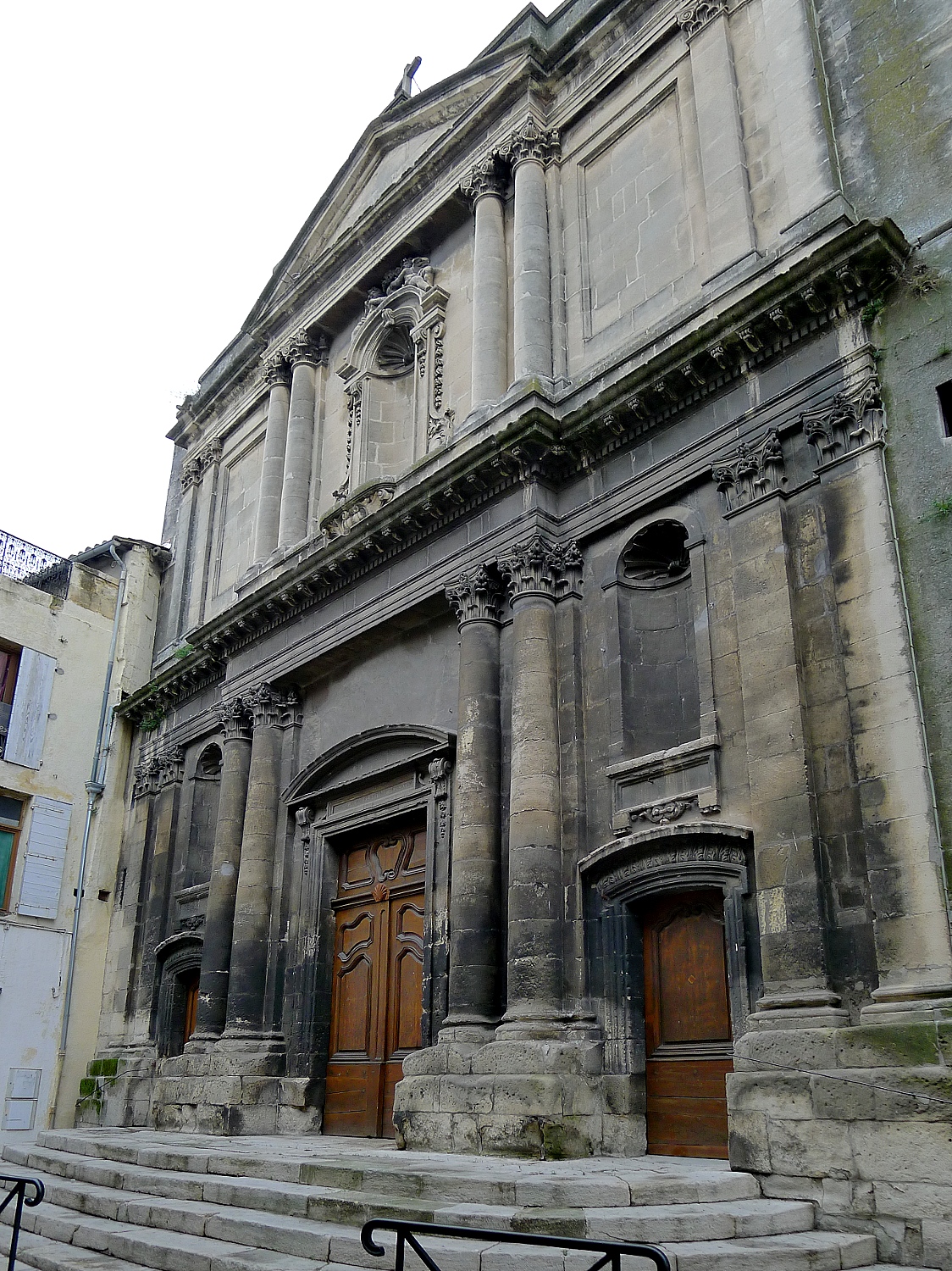
L’église Saint-Julien d’Arles est une ancienne église du XIIe siècle connue alors sous le vocable de saint-Antoine et reconstruite en 1622 en style classique et gothique tardif. Depuis 1941, l'édifice est classé aux monuments historiques.
Gallery






Sponsored
Location

79 m
The canton of Arles is an administrative division of the Bouches-du-Rhône department, in southeastern France. It was created at the French canton reorganisation which came into effect in March 2015. Its seat is in Arles.
134 m
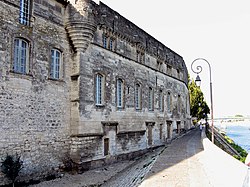
Musée Réattu is an art museum in Arles, housing paintings, including works by Arles-born painter Jacques Réattu, drawings by Picasso, as well as sculptures and a large collection of photographs. It regularly holds exhibitions of contemporary art.

219 m
Arles, Roman and Romanesque Monuments is an area containing a collection of monuments in the city centre of Arles, France, that has been listed as a UNESCO World Heritage Site since 1981.
The official brief description for this as a World Heritage Site is:
Arles is a good example of the adaptation of an ancient city to medieval European civilization. It has some impressive Roman monuments, of which the earliest—the arena, the Roman theatre and the cryptoporticus—date back to the 1st century B.C. During the 4th century Arles experienced a second golden age, as attested by the baths of Constantine and the necropolis of Alyscamps. In the 11th and 12th centuries, Arles once again became one of the most attractive cities in the Mediterranean. Within the city walls, Saint-Trophime, with its cloister, is one of Provence's major Romanesque monuments.
The protected area covers 65 hectares. The following buildings are located within this area:
Arles Amphitheatre
The Roman theater
Cryptoporticus and Roman forum: Located underneath the Chapel of the Jesuit College and the City Hall, this cryptoporticus was likely built by the Greeks in the 1st century BCE. It may have been used as a slave barracks.
The Thermes of Constantine: A public bath, which was built during the 4th century CE.
Ramparts of the Roman castrum
The Alyscamps
The Church of St. Trophime and its cloister
Roman exedra

223 m
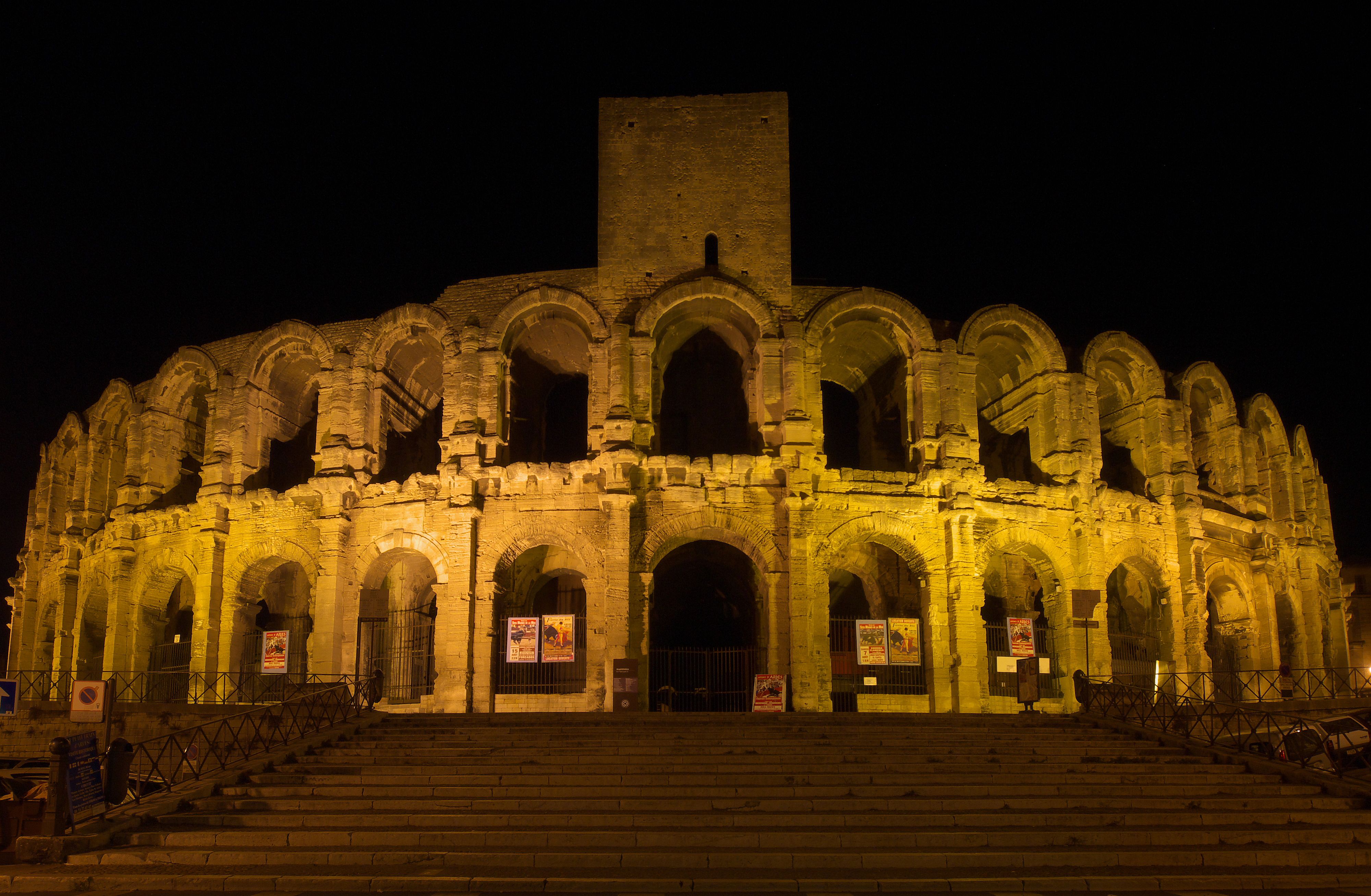
The Arles Amphitheatre is a Roman amphitheatre in Arles, southern France. Two-tiered, it is likely the most prominent tourist attraction in the city which thrived in ancient Rome. The towers jutting out from the top are medieval add-ons.
Built in 90 AD, the amphitheatre held over 20,000 spectators of chariot races and bloody hand-to-hand battles. Nowadays, it draws smaller crowds for bullfighting during the Feria d'Arles, as well as plays and concerts in summer.
In 1981, Arles Amphitheatre was listed as a UNESCO World Heritage Site, together with other Roman and medieval buildings of the city, as part of the Arles, Roman and Romanesque Monuments group.

278 m
Café Terrace at Night is an 1888 oil painting by the Dutch artist Vincent van Gogh. It is also known as The Cafe Terrace on the Place du Forum, and, when first exhibited in 1891, was entitled Coffeehouse, in the evening.
Van Gogh painted Café Terrace at Night in Arles, France, in mid-September 1888. The painting is not signed, but described and mentioned by the artist in three letters.
Visitors to the site can stand at the north eastern corner of the Place du Forum, where the artist set up his easel. The site was refurbished in 1990 and 1991 to replicate van Gogh's painting. He looked south towards the artificially lit terrace of the popular coffee house, as well as into the enforced darkness of the rue du Palais which led up to a building structure and, beyond this structure, the tower of a former church which is now Musée Lapidaire.
Towards the right, Van Gogh indicated a lighted shop and some branches of the trees surrounding the place, but he omitted the remainders of the Roman monuments just beside this little shop.
The painting is currently at the Kröller-Müller Museum in Otterlo, Netherlands.
