


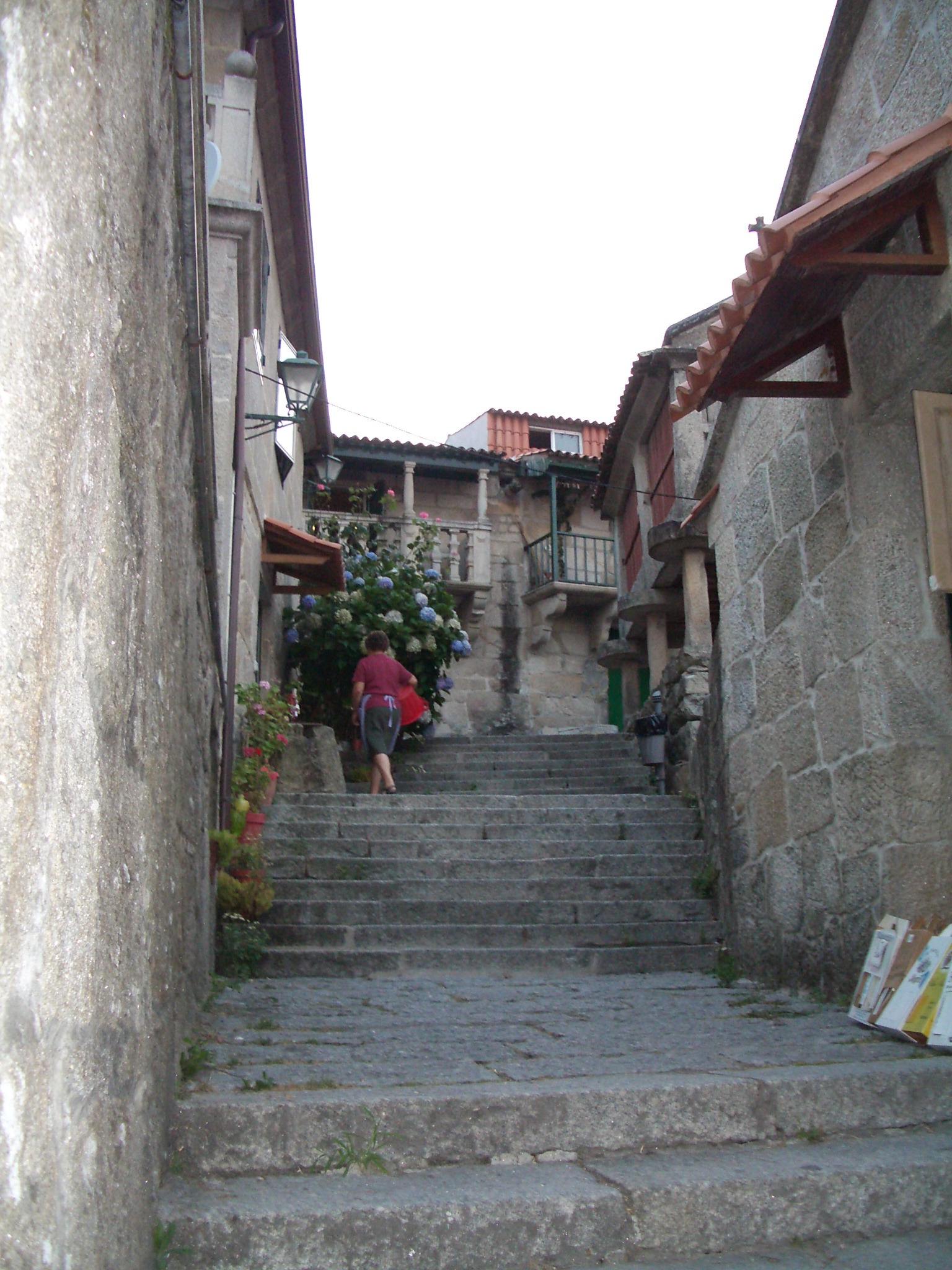
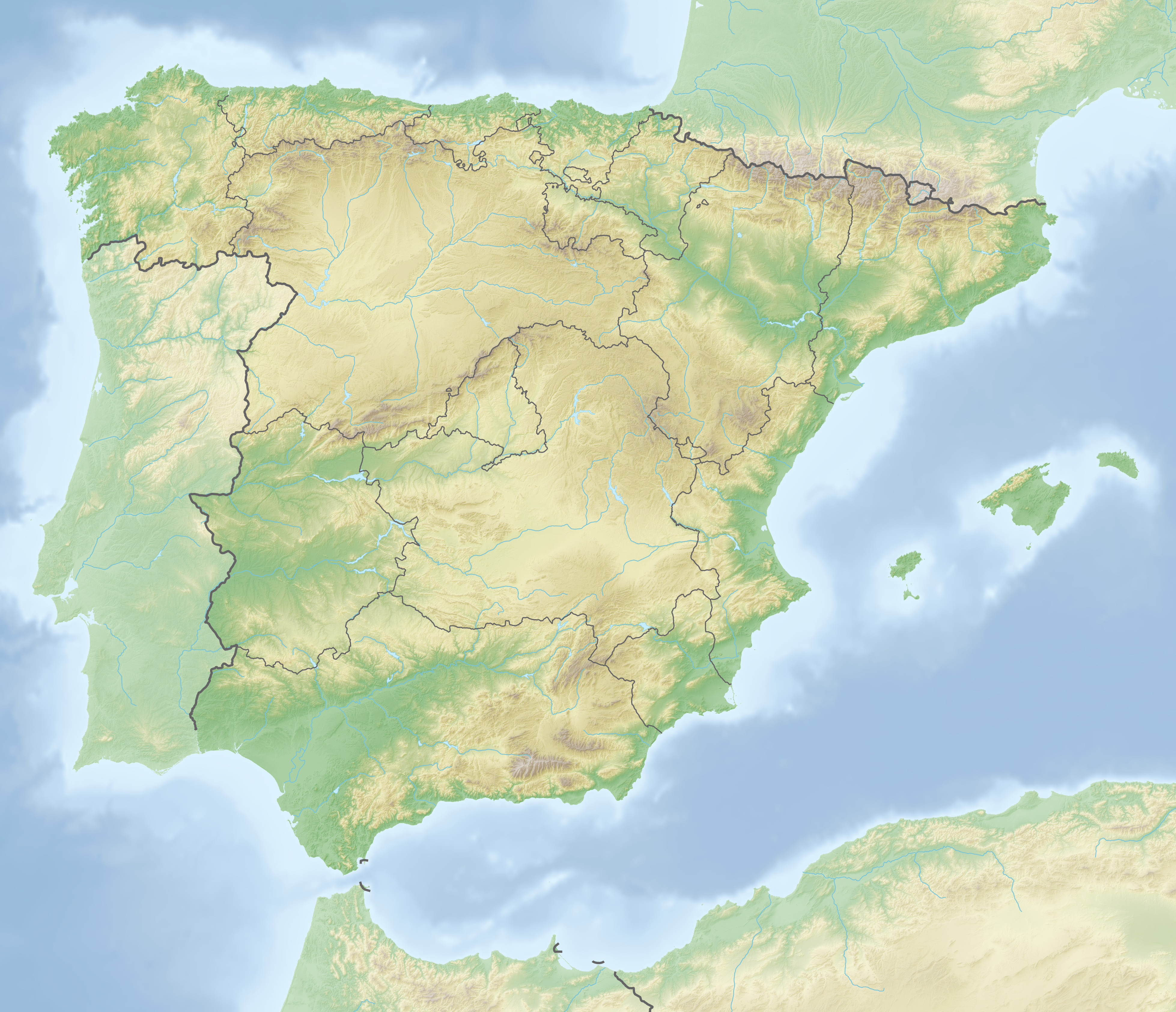
Combarro est une paroisse civile de la commune de Poio, dans la province galicienne de Pontevedra en (Espagne). Jusqu'au début du XXe siècle, c'était une commune indépendante. Le recensement de 2004 était de 1 668 habitants et en 2008 le village comptait 1 786 habitants.
Gallery




Sponsored
Location
1 explorer visited this place

2.2 km
The Tambo Island is an island in the middle of the Pontevedra bay, in Spain. It belongs to the municipality of Poio, from which it is separated by a 1.1 km long but shallow channel. Its surface area is 0.28 km2, with a maximum height of 80 m, although its entire central part is over 50 metres high. Its perimeter reaches 4 km.
3.1 km
The Lérez is a river in South West Galicia, Spain. The river meets the Atlantic Ocean at Pontevedra, where it creates Pontevedra's ria. The sources of the 60-kilometre long stream are in Serra do Candán, in the mountain of San Bieito, in the parish of Aciveiro. The Lérez passes through the communities of Forcarei, Cerdedo, Campo Lameiro, Cotobade and, finally, Pontevedra.
Its main tributaries are the Salgueiro, Cabaleiros, Grande, O Castro, Quireza, Tenorio and Almofrei.

3.3 km
Poio is a municipality in the province of Pontevedra, in the autonomous community of Galicia, Spain. It belongs to the comarca of Pontevedra. Poio is located in the north shore of the Ría de Pontevedra, between Sanxenxo and the provincial capital, Pontevedra. The municipality is adjacent with Meaño, Meis, Pontevedra and Sanxenxo and combines mountain and sea areas.
Tambo island, an uninhabited island located in the middle of the Pontevedra estuary, officially belongs to Poio but it is under the control of the Spanish Navy and disembarkment is not allowed.

3.4 km
Placeres Beach or A Posta Beach is a Galician beach located in the Spanish municipality of Pontevedra, in the province of Pontevedra. It is a semi-urban coastal beach 50 metres long.

3.5 km
Our Lady of Placeres Church is a Catholic church in the civil parish of Lourizán, municipality of Pontevedra, Galicia, Spain. The church was built at the end of the 19th century in neo-Gothic style over a previous chapel at the end of the harbour bar.