


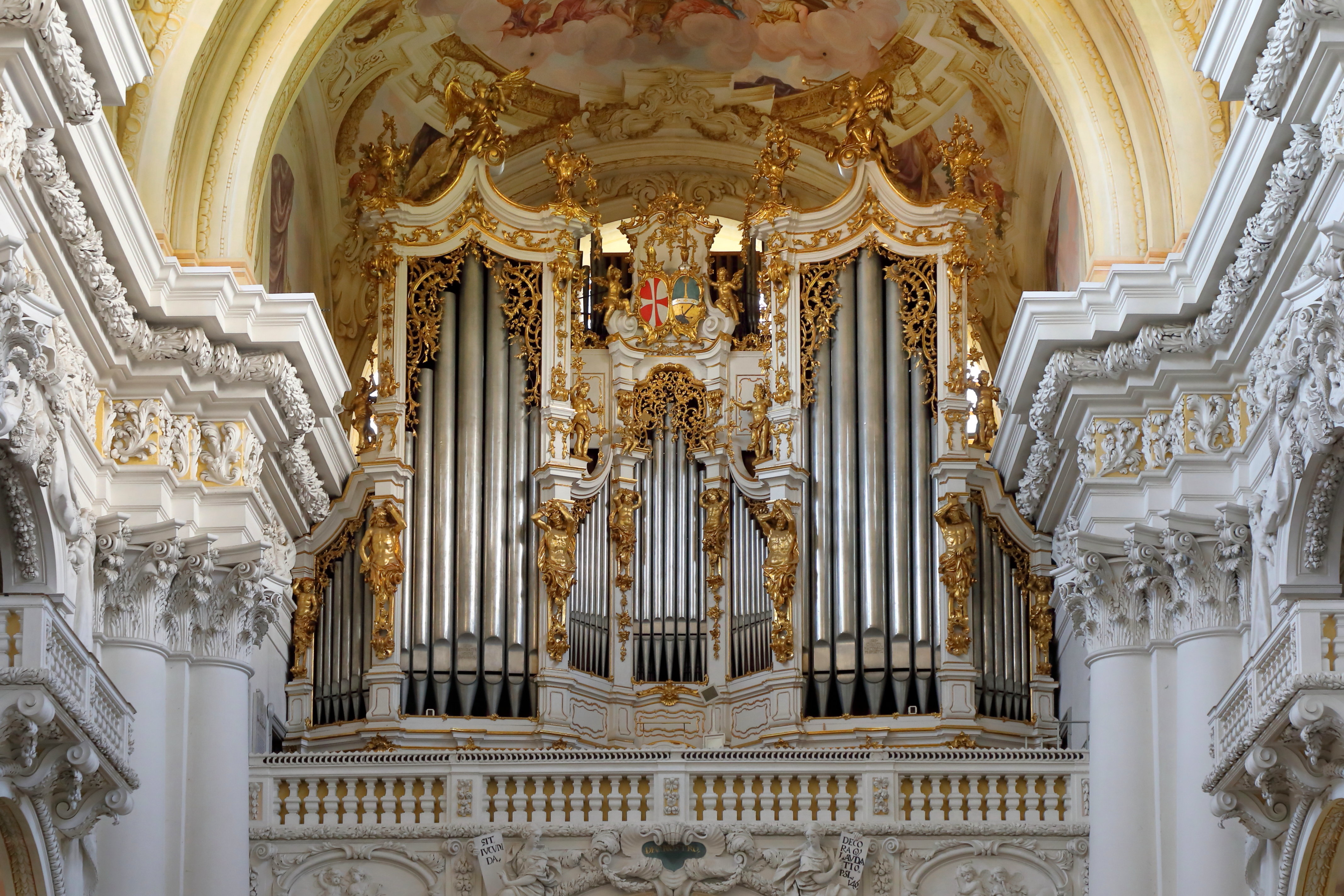
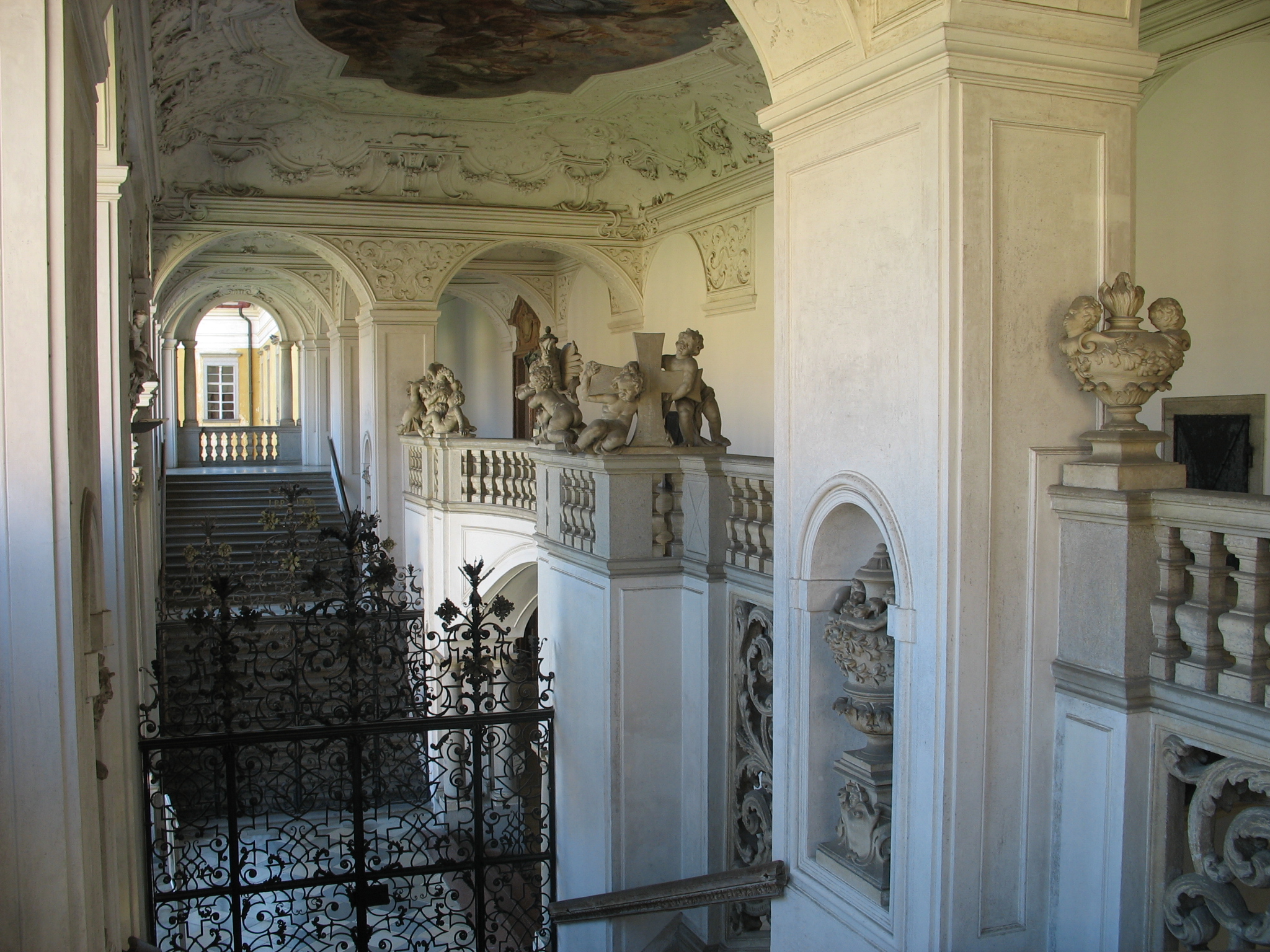
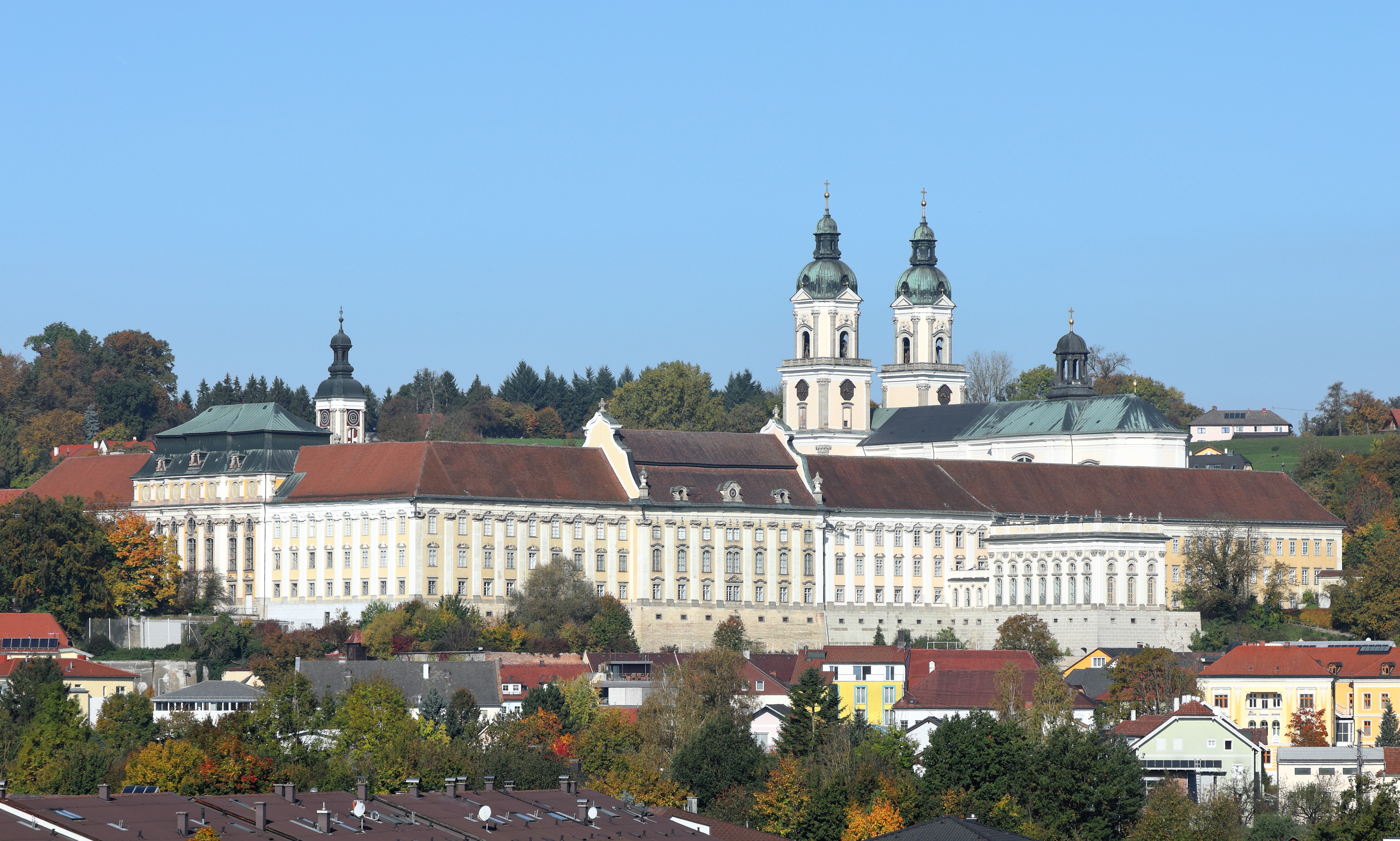
L'abbaye de Saint-Florian (Stift Sankt Florian) est l'abbaye baroque la plus grande et la plus réputée de Haute-Autriche. Elle se trouve à Sankt Florian, près de Linz et est dédiée à saint Florian. C'est aujourd'hui l'une des plus anciennes abbayes du monde en activité. Une communauté de chanoines réguliers de saint Augustin s'est installée en ce lieu à l'époque carolingienne en 1071.
Gallery




Sponsored
Location
1 explorer visited this place

52 m
St. Florian Monastery is an Augustinian monastery in the town of Sankt Florian, Austria. Founded in the early ninth century, and later refounded by Augustinians in the eleventh century, St. Florian is the largest monastery in Upper Austria, and rivals Melk Abbey and Klosterneuburg Monastery, as among the most impressive examples of Baroque architecture in Austria. The monastery is dedicated to Saint Florian, whose fourth century grave lies beneath the monastery.

237 m
Sankt Florian is a town in the Austrian state of Upper Austria. It is 10 miles from Linz.
Sankt Florian is the home of St. Florian Monastery, a community of Canons Regular named after Saint Florian and one of the oldest operational monasteries in the world following the Rule of St. Augustine. Composer Anton Bruckner, who was a choirboy and later organist in the town, is buried beneath the organ inside the monastic church, which was elevated to the rank of basilica minor in 1999.

3.0 km
The Florianerbahn is a museum tramway in Upper Austria that is not operational due to construction work. It was built as a railway - a licensed narrow gauge Lokalbahn or branch line - between the independent commununity of Ebelsberg and Sankt Florian. It was owned by the Lokalbahn Ebelsberg–St. Florian AG, but operated by the firm of Stern & Hafferl from Gmunden. Because the line had the character of a tramway it switched over to providing tramway services in the wake of the annexation of Austria in 1938 – along with Stern & Hafferl's sister companies Elektrische Lokalbahn Unterach–See and Elektrische Lokalbahn Gmunden.
The rail gauge is the same as that of the Linz tramway, 900 mm, the line is electrified, operating at 600 V C. It ran regular services from 2 September 1913 to the end of 1973. From 1929 it was connected directly to the Linz tramway network at Ebelsberg, so that trailer coaches could run through from Linz to St. Florian.
The line was officially opened on 1 September 1913. The specially decorated first train, consisting of a railcar and two carriages, left Sankt Florian at 6:22 and arrived at Ebelsberg at 6:50. 42 of the 96 places available were taken.
After the fall in passenger numbers and the cessation of services on 31 December 1973 the line was taken over by the Austrian Society for Railway History, and later by the Club Florianerbahn society and a section of the line reactivated as a museum railway. As of 2008 there were no museum services because much of the route is not usable: between Pichling and Bruck the line runs under the Western motorway and had to be lifted whilst construction work is going on. The track has since been replaced, but the catenary is still missing. Between Pichling and Ebelsberg a large section of the overgrown tracks has been removed to build a ring road and has not been fully replaced. The museum's vehicle collection in St. Florian can be visited if notice is given.
3.0 km
Asten is a municipality in the district Linz-Land in the Austrian state of Upper Austria.
Elle a été réaménagée en style baroque par les maîtres d'œuvre Carlo Antonio Carlone, Jakob Prandtauer et Johann Gotthard Hayberger (de) entre 1686 et 1750.