


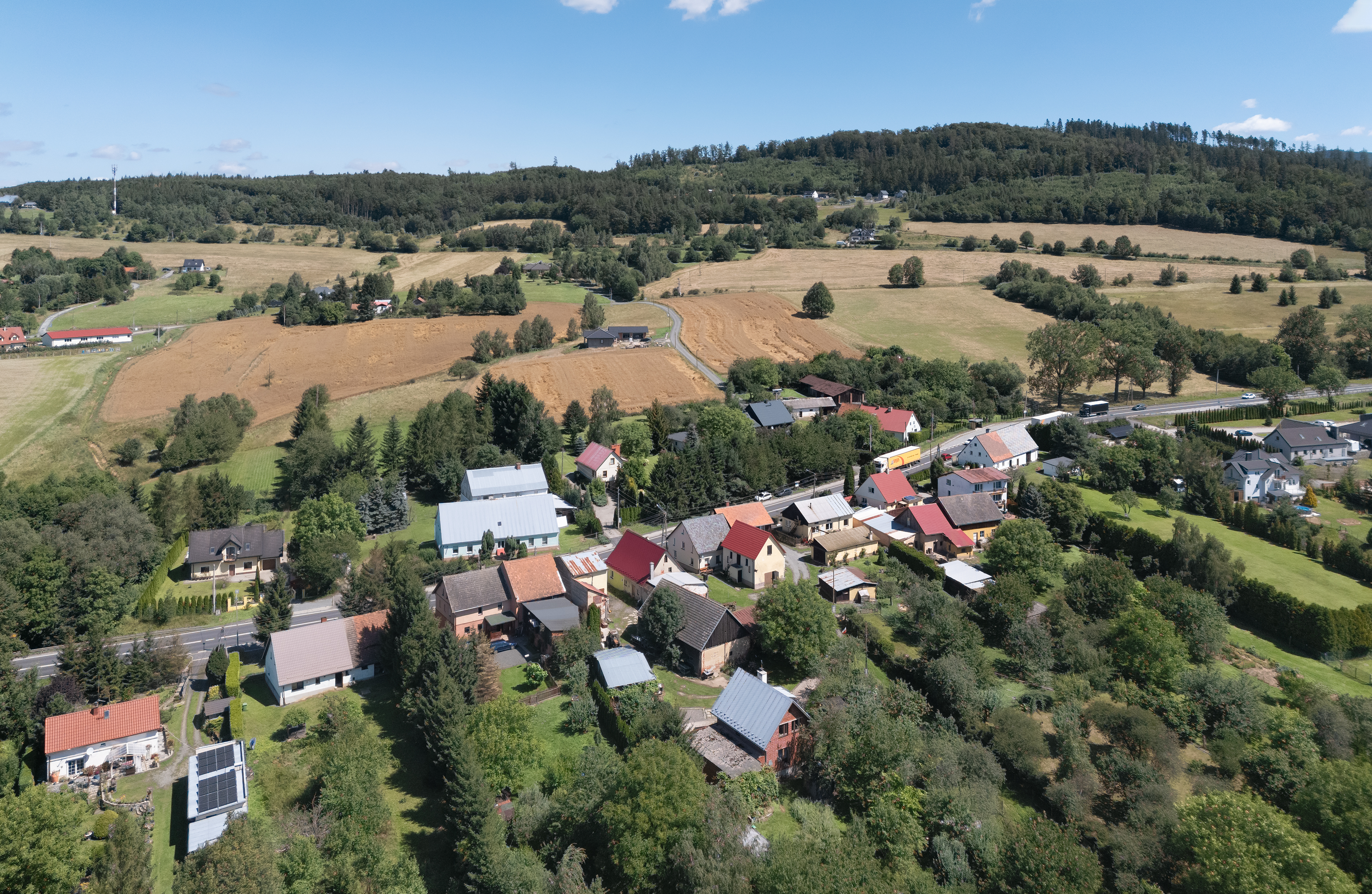
Jaszkówka est une localité polonaise de la gmina et du powiat de Kłodzko en voïvodie de Basse-Silésie. En 2021, la localité compte 91 habitants.
Location

0 m
Jaszkówka [jaʂˈkufka] is a village in the administrative district of Gmina Kłodzko, within Kłodzko County, Lower Silesian Voivodeship, in south-western Poland.

1.1 km
Jaszkowa Dolna [jaʂˈkɔva ˈdɔlna] is a village in the administrative district of Gmina Kłodzko, within Kłodzko County, Lower Silesian Voivodeship, in south-western Poland.

2.0 km
Wojciechowice is a village in the administrative district of Gmina Kłodzko, within Kłodzko County, Lower Silesian Voivodeship, in south-western Poland.

3.1 km
Kłodzko is a historic town in south-western Poland, in the region of Lower Silesia. It is situated in the centre of the Kłodzko Valley, on the Eastern Neisse river.
Kłodzko is the seat of Kłodzko County, and is situated in Lower Silesian Voivodeship. With 25,717 inhabitants at the 2021 Census, Kłodzko is the main commercial centre as well as an important transport and tourist node for the area.
For its historical monuments it is sometimes referred to as "Little Prague". It was established as a settlement in the 10th century, and is one of the oldest towns in Poland, having been granted city rights in 1233. Culturally and traditionally a part of Bohemia, administratively it has been periodically part of Silesia in the Middle Ages and again permanently since 1763.

3.2 km
Boguszyn [bɔˈɡuʂɨn] is a village in the administrative district of Gmina Kłodzko, within Kłodzko County, Lower Silesian Voivodeship, in south-western Poland.
The settlement is part of historic Kłodzko Land.
Friedrichswartha was founded in 1777, after the conquest of the County of Kladsko by the Prussian king Frederick the Great in the course of the First Silesian War 1740–42. A former gord on the ancient Amber Road near the border of Bohemia with the Kingdom of Poland was already mentioned in 1086, later named Burgstädtel. From 1815 it was incorporated into the Prussian Silesia Province. After World War II, the German population was expelled and the village renamed. Until 1998 it was part of Wałbrzych Voivodeship.