


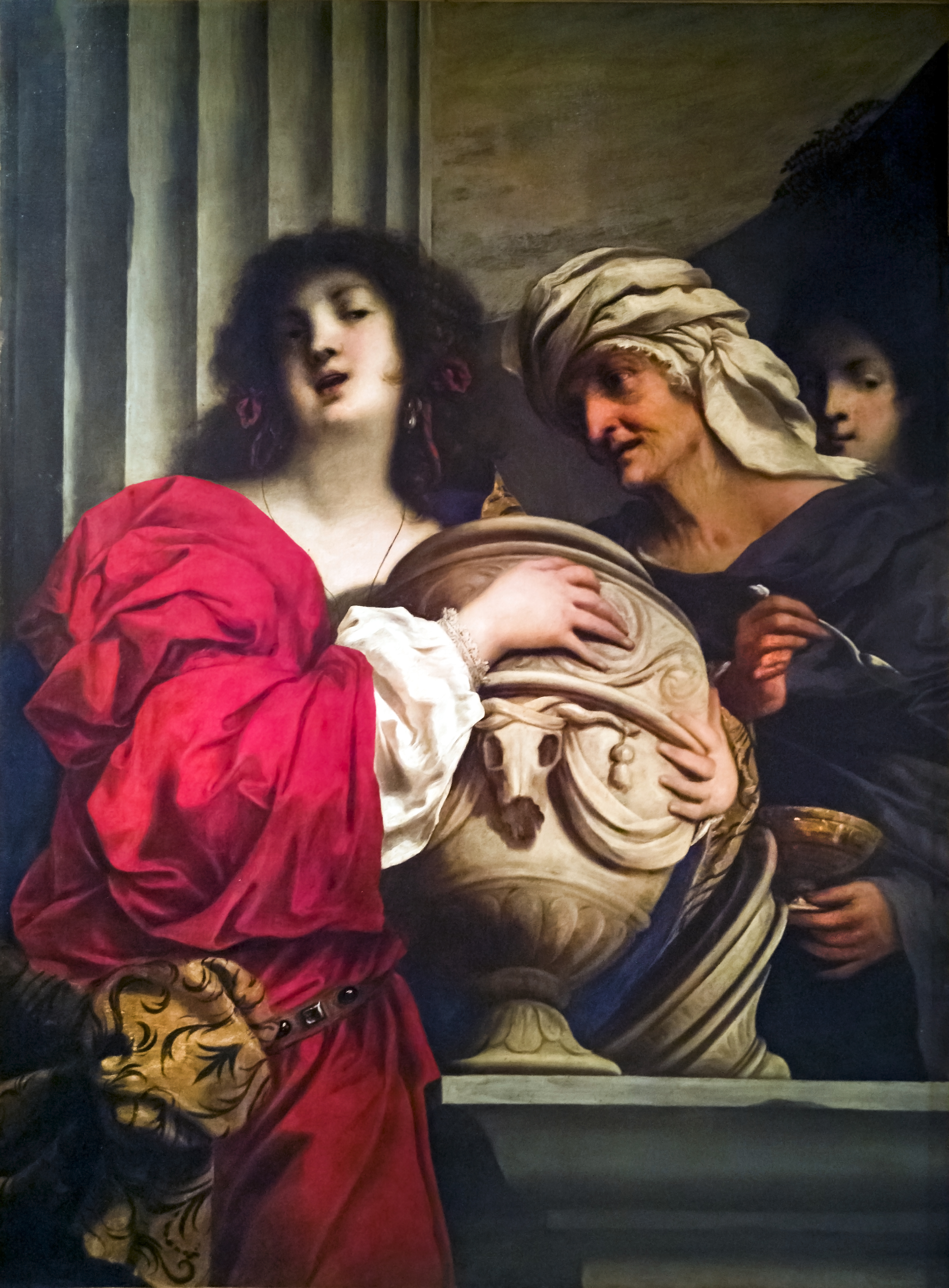
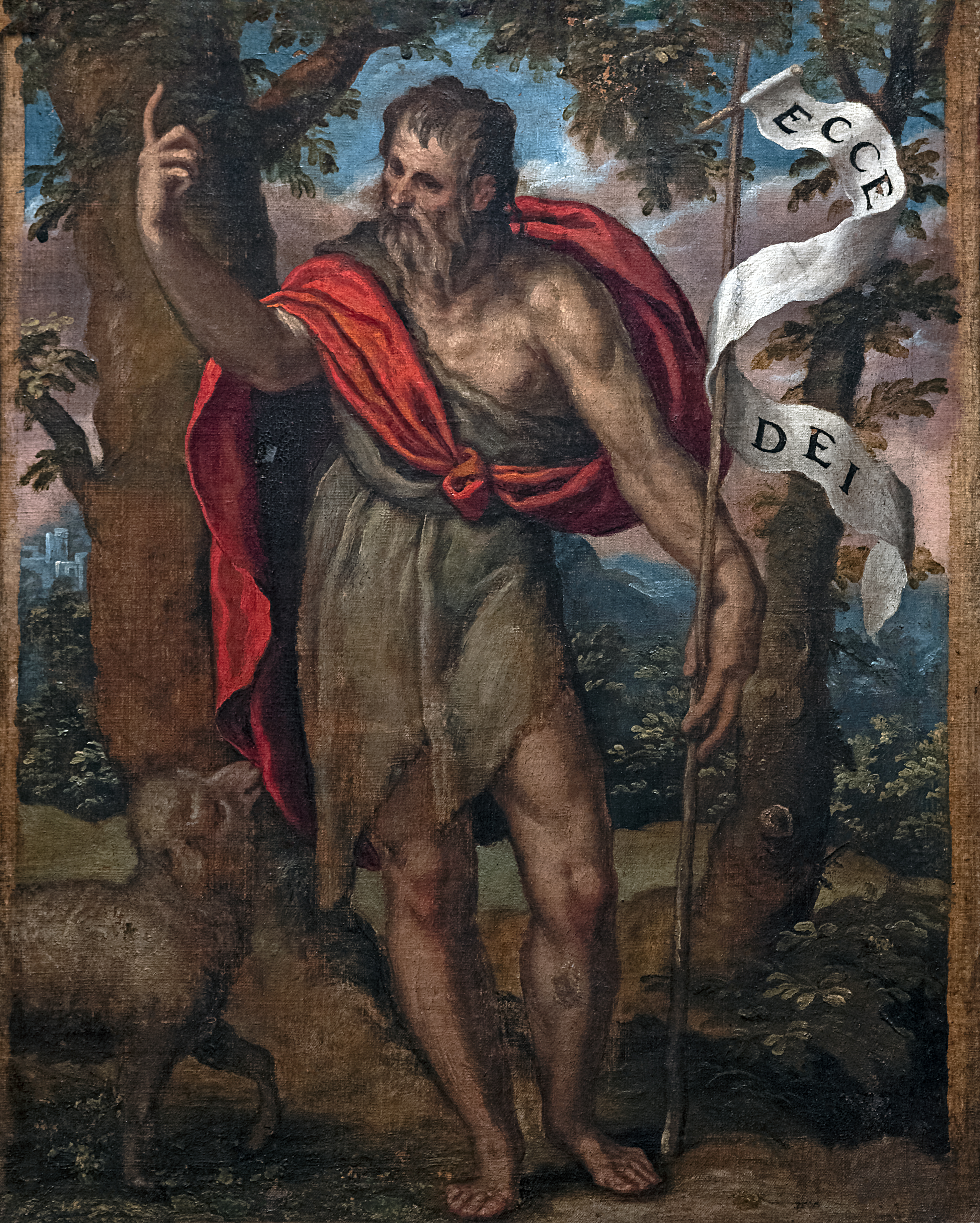
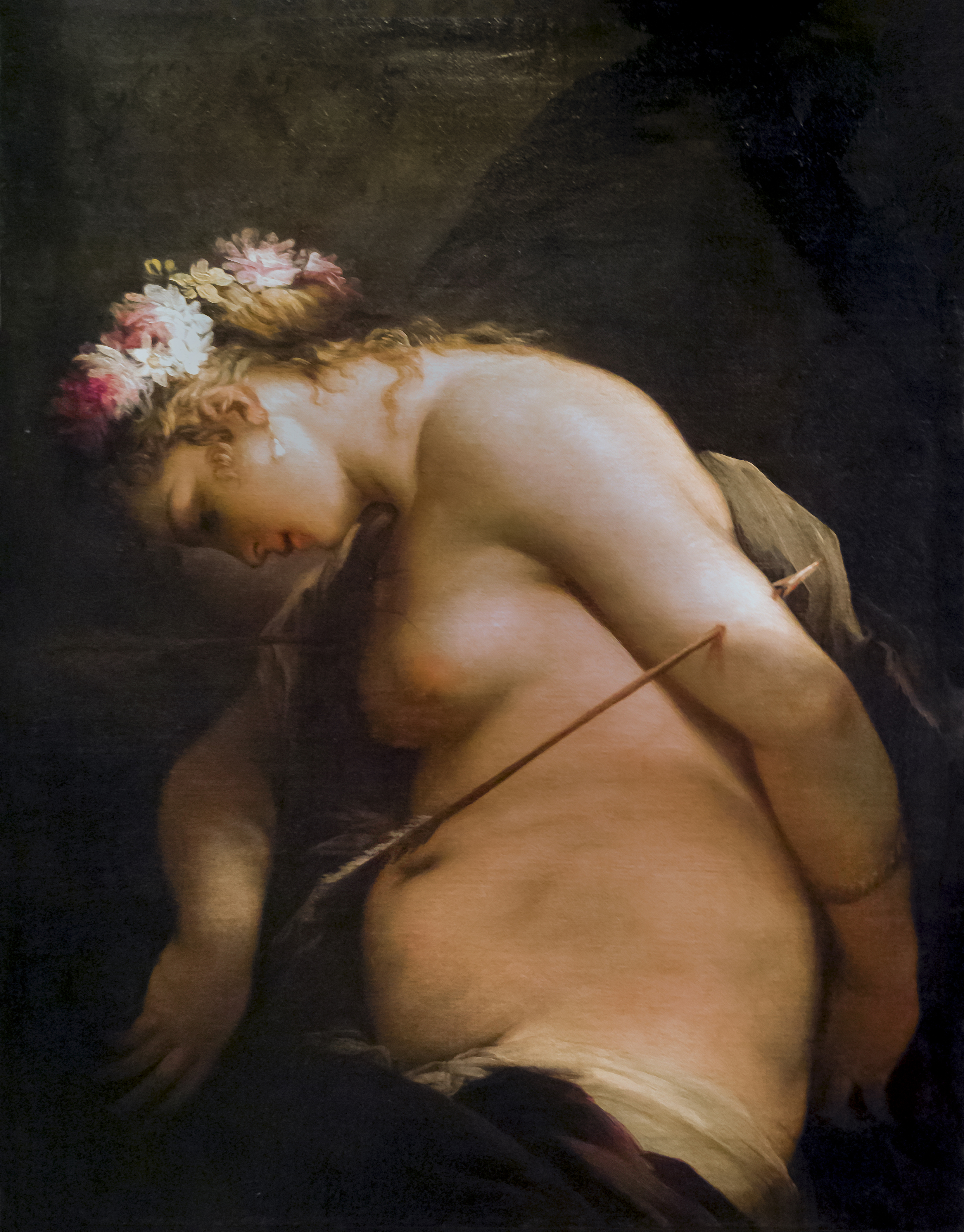
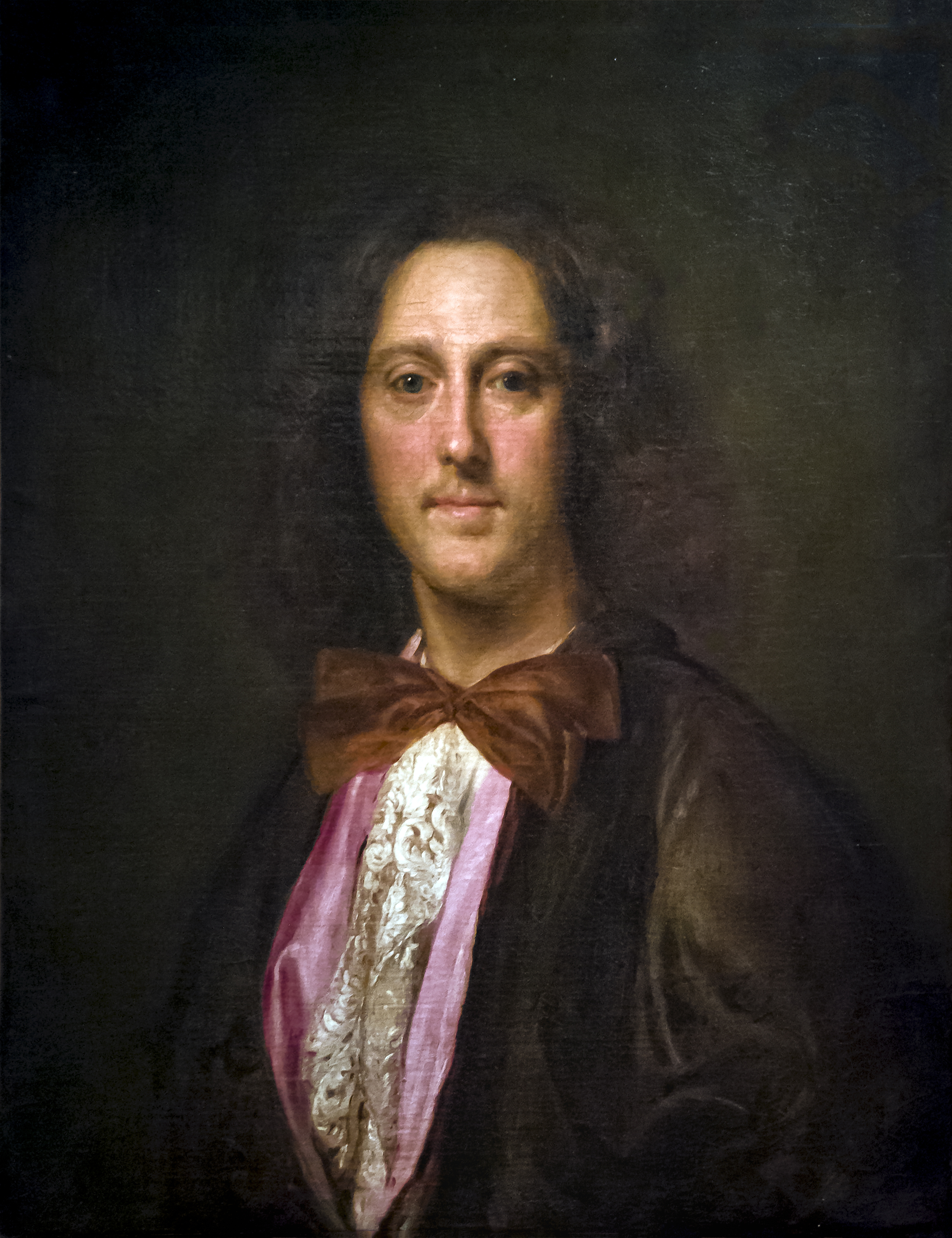
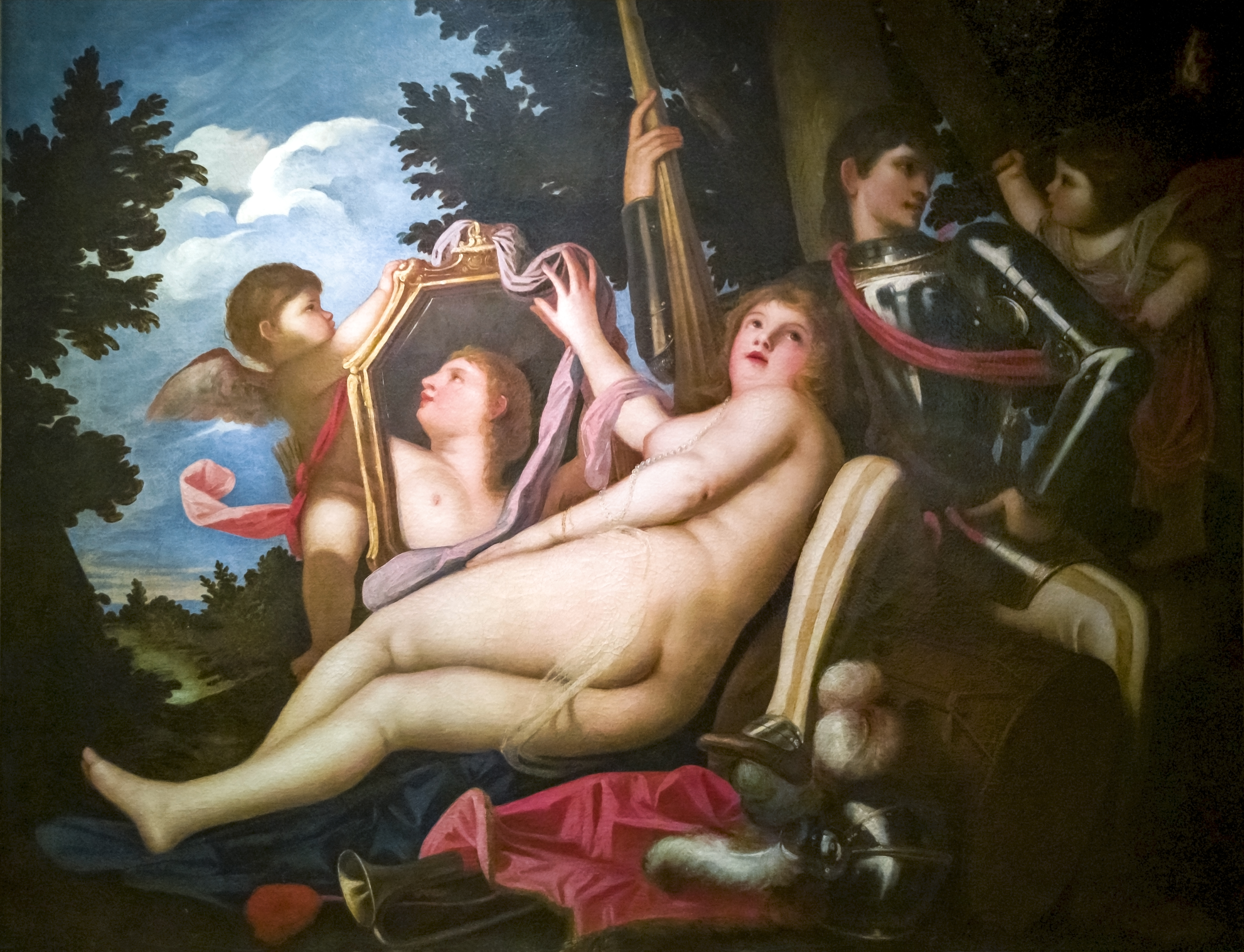
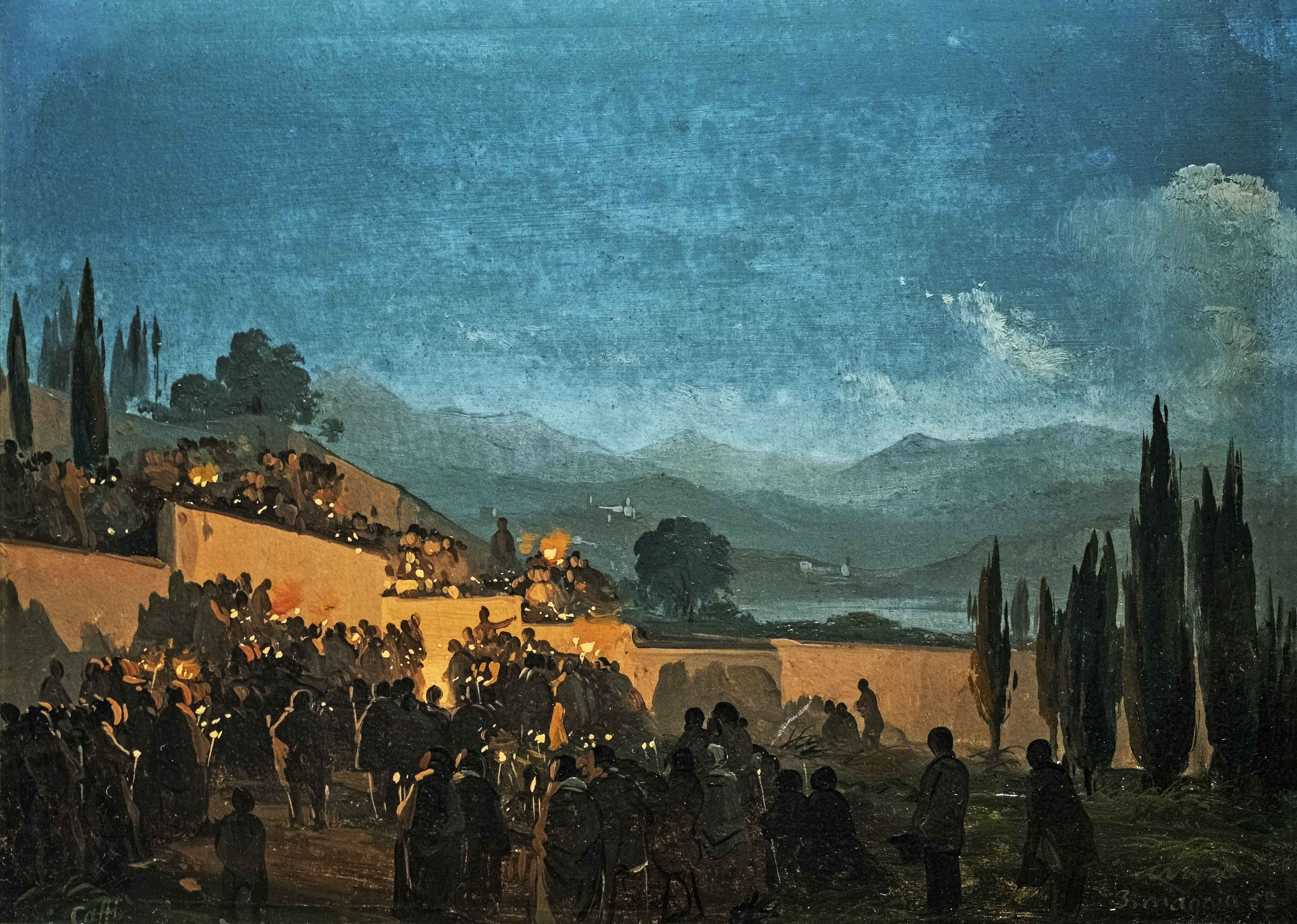
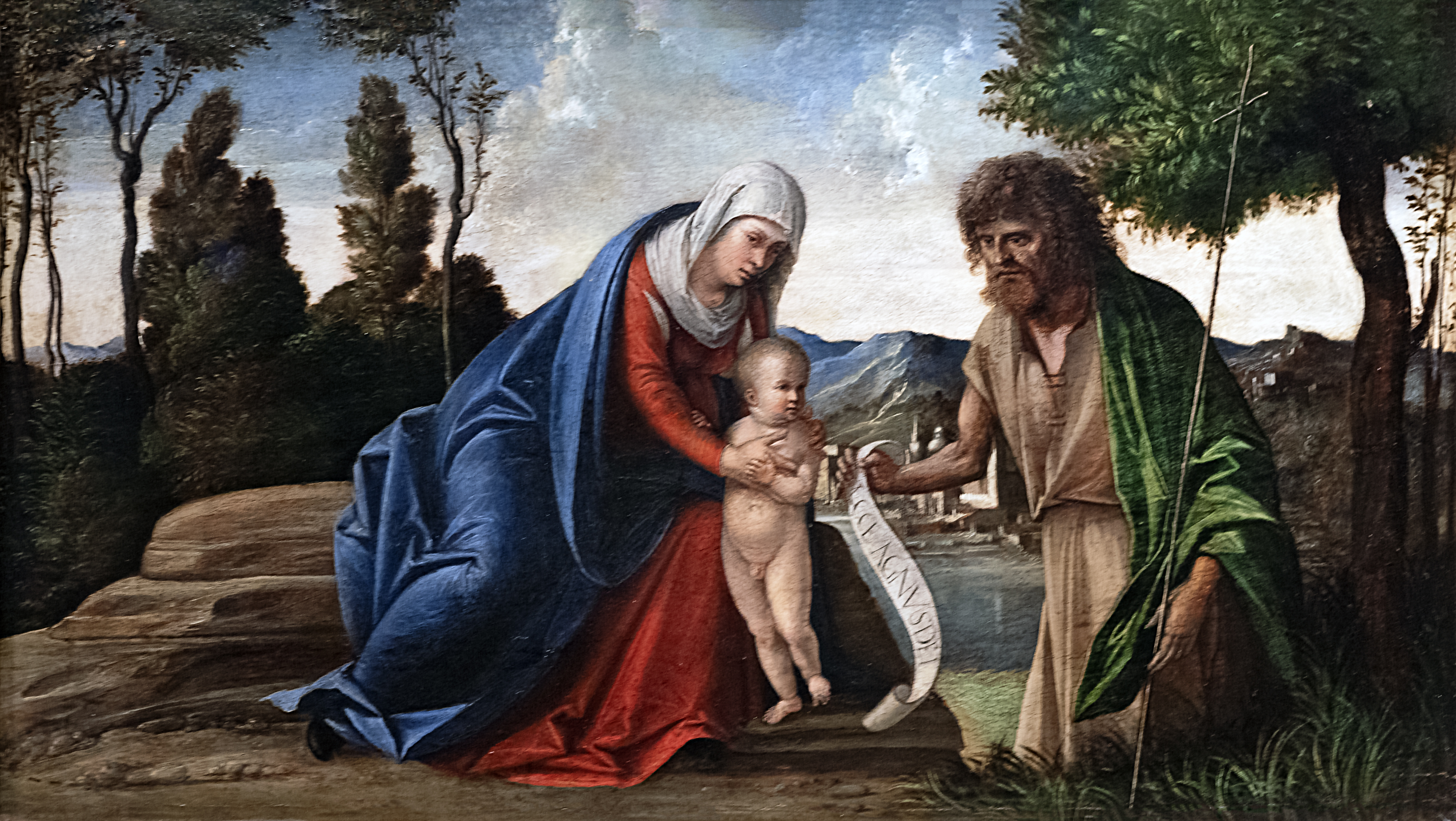
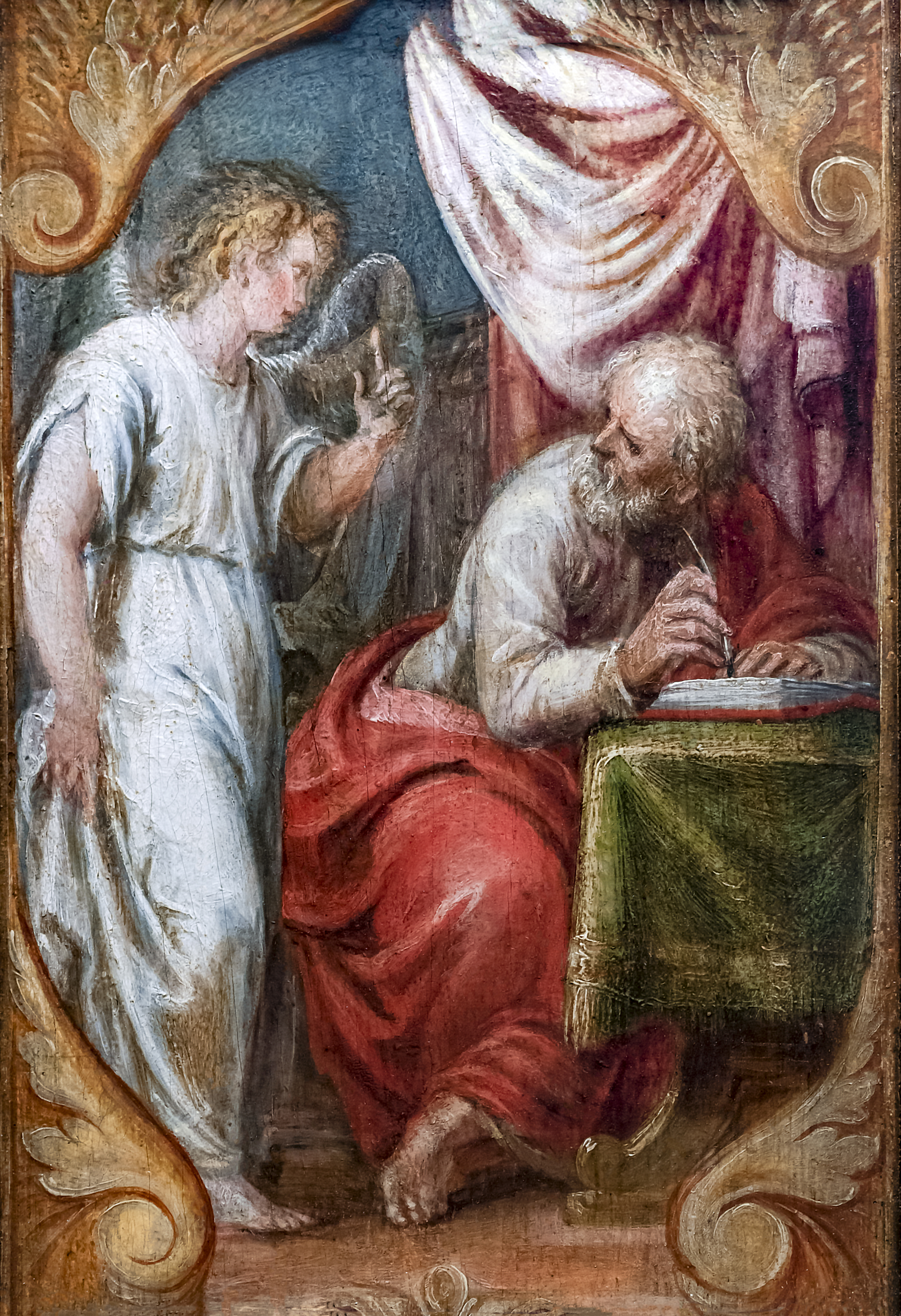
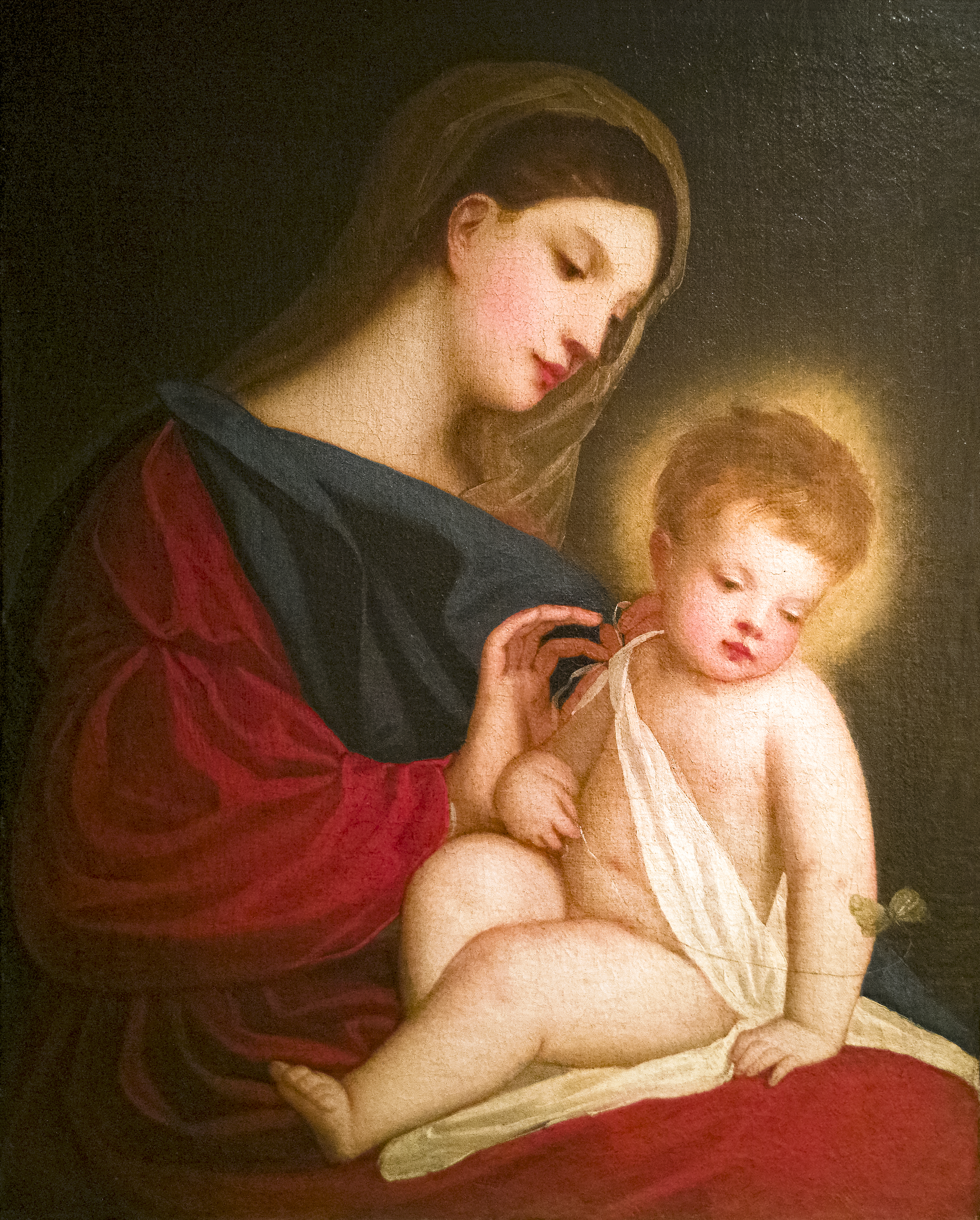
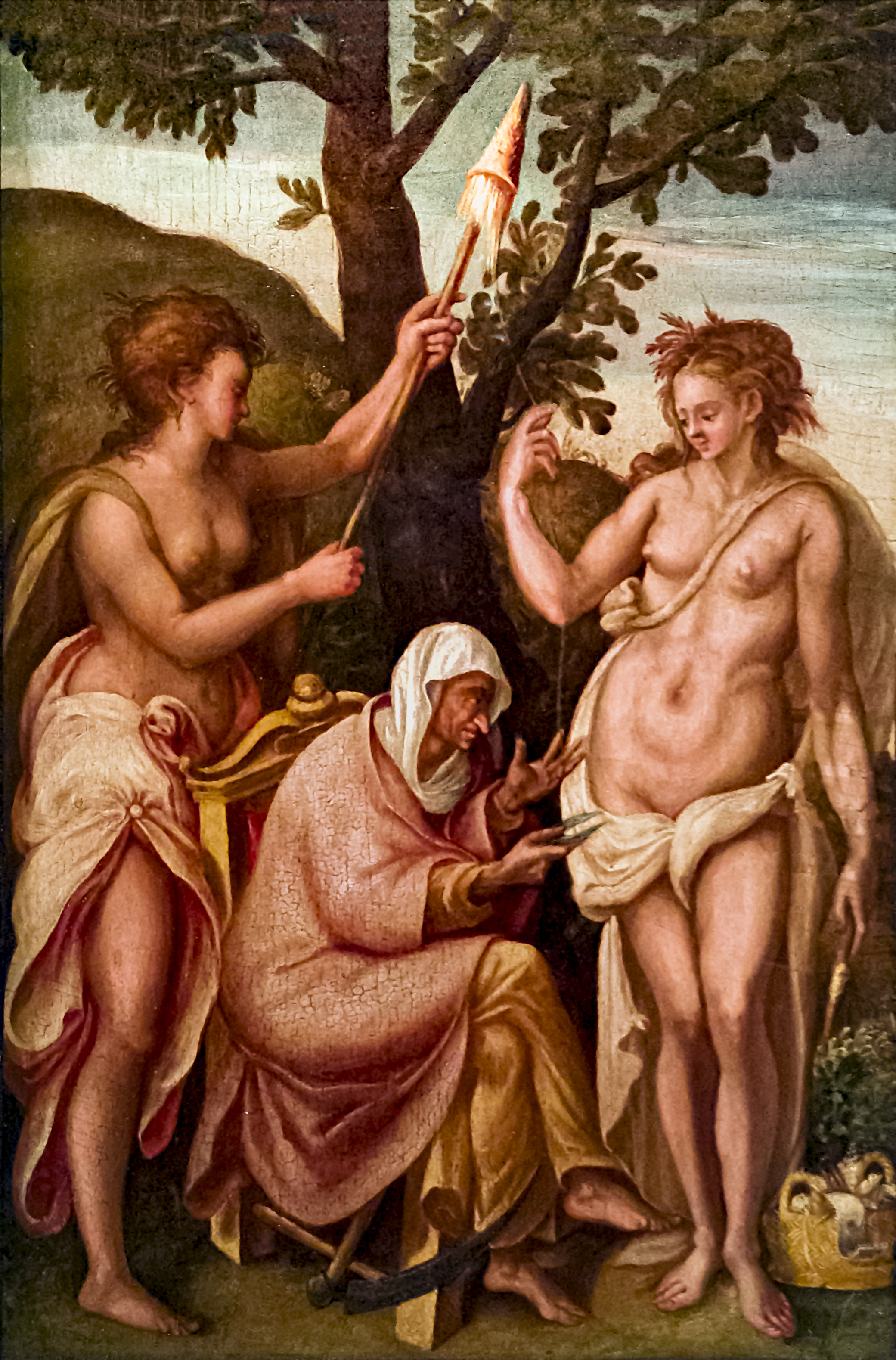
La pinacothèque Egidio-Martini est une collection de peintures exposée à Ca' Rezzonico à Venise. Le don d'Egidio Martini est le don le plus important fait à la ville de Venise depuis le début du XXe siècle, tant pour le nombre d'œuvres, pour la haute qualité que pour l'importance philologique et historique.
Gallery



















Sponsored
Location
1 explorer visited this place

65 m
The Palazzo Moro Lin, also called the palace of 13 windows is a baroque-style palace on the Grand Canal, located between the Palazzo Grassi and the Palazzo da Lezze, in the sestiere of San Marco, in Venice, Italy.
The palace was built in 1670 by design of Sebastiano Mazzoni, and made for the painter Pietro Liberi. The palace interior has frescoes by Antonio Bellucci, Antonio Molinari, and Gregorio Lazzarini. The palace was soon bought by the Lin family. At the death of Michele Anzolo Lin in 1788, the palace was inherited by his niece Elisabetta, the wife of Gasparo Moro of San Trovaso, who afterwards called themselves Moro-Lin. In 1942 it was purchased by the Milanese industrialist Enrico Ghezzi.

78 m
Palazzo Grassi is a building in the Venetian Classical style located on the Grand Canal of Venice, between the Palazzo Moro Lin and the campo San Samuele.

79 m
Palazzo Loredan dell'Ambasciatore is a 15th-century Gothic palace in Venice, Italy, that once belonged to the noble Loredan family. Located in the Dorsoduro sestiere, it was called "dell'Ambasciatore" because it was offered as a home of the ambassadors of the Austrian Empire to the Republic by Doge Francesco Loredan.

99 m
San Samuele is a church in Venice, northern Italy. It is located in the eponymous campo near Palazzo Grassi and Palazzo Malipiero. The facade is set back on the campo, but faces and is visible from the Grand Canal. It is named after the Biblical Samuel, because in the interior are housed relics traditionally attributed to him.
The church was built around 1000 by the families Boldù and Soranzo. In the early 12th centuries it was destroyed by two fires and then reconstructed. In 1685, it was again almost entirely rebuilt. The portico on the façade, now closed, is surmounted by a loggia added in 1952.
The interior, over the high altar, houses a 14th-century crucifix attributed to Paolo Veneziano.
San Samuele bears the distinction of being one of only a handful of Roman Catholic churches dedicated to an Old Testament figure. It is also unique in that its late-Gothic apse has remained intact despite the restructuring of its nave and façade in 1685.
The walls and vaults of this apse have been restored starting in 1999, and are one of the few surviving fresco cycles of the early Venetian Renaissance. The cycle depicts eight Sibyls, Greek and Roman female seers who were believed to have predicted events in the life of Christ such as the Annunciation, the Crucifixion and the Resurrection. The ceiling's quadripartite vault features Saints Jerome, Augustine, Ambrose and Gregory, the four fathers of the Western church, set in roundels and surrounded by inscriptions, decorative foliage, and putti bearing the instruments of the Passion. Above the high altar, the frescoes occupying the spaces between the ribs of the cupola feature Christ and the four Evangelists Matthew, Mark, Luke and John. The cycle has traditionally been attributed to the Paduan or Bolognese school.

116 m
The Chiesa di San Barnaba is a neoclassical church in the district of Dorsoduro in Venice, Italy. It is dedicated to the Apostle Saint Barnabas.