


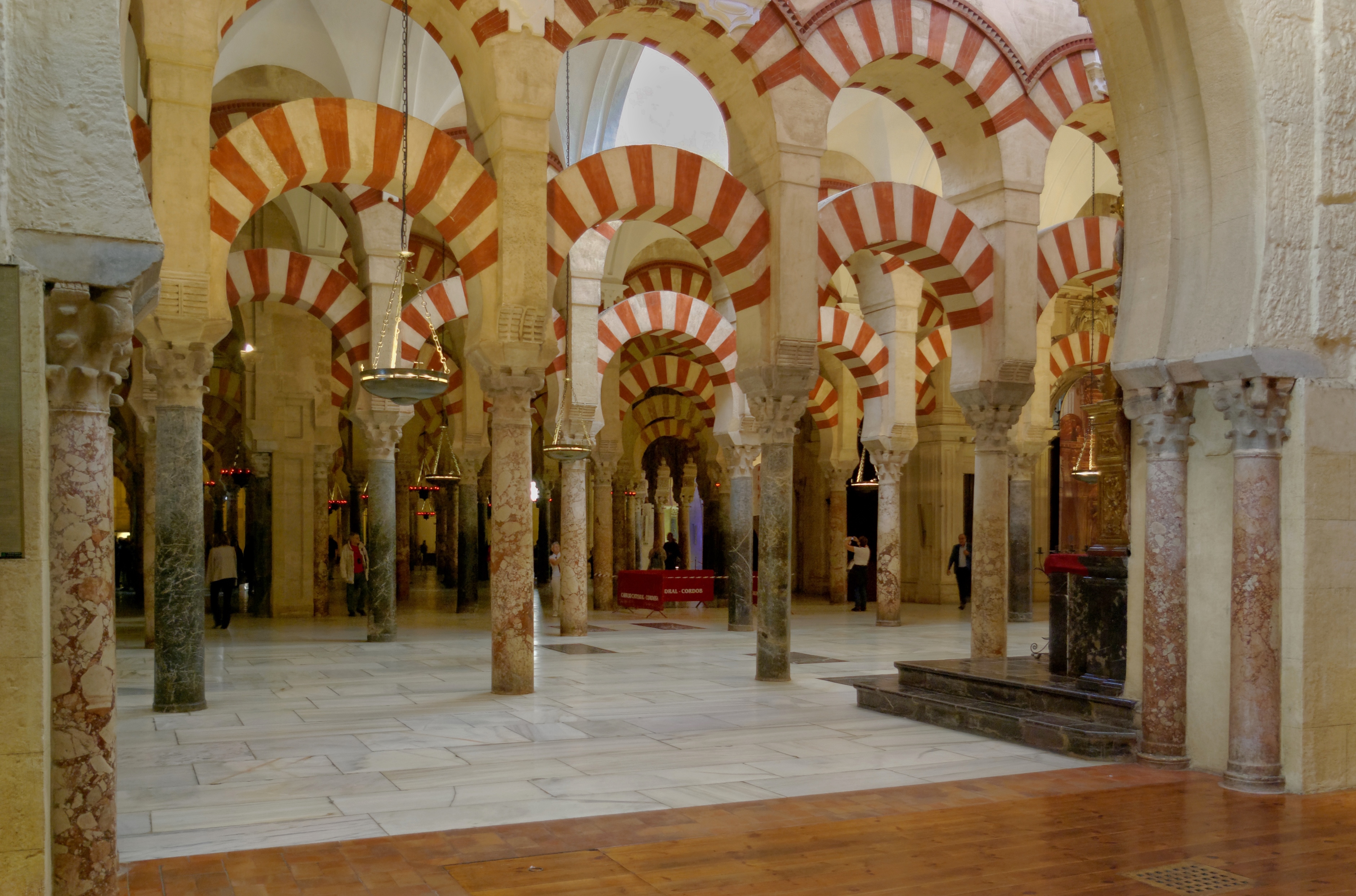
Le centre historique de Cordoue, en Andalousie, est l'un des centres historiques les plus grands d'Europe. En 1984, l'Unesco a inscrit la mosquée de Cordoue au patrimoine mondial. Plus tard, en 1994, l'Unesco a étendu cette dénomination à la plus grande partie de la vieille ville de Cordoue. Le centre historique possède une grande richesse architecturale et conserve de nombreux vestiges de l'époque romaine, arabe et chrétienne.
Gallery




Sponsored
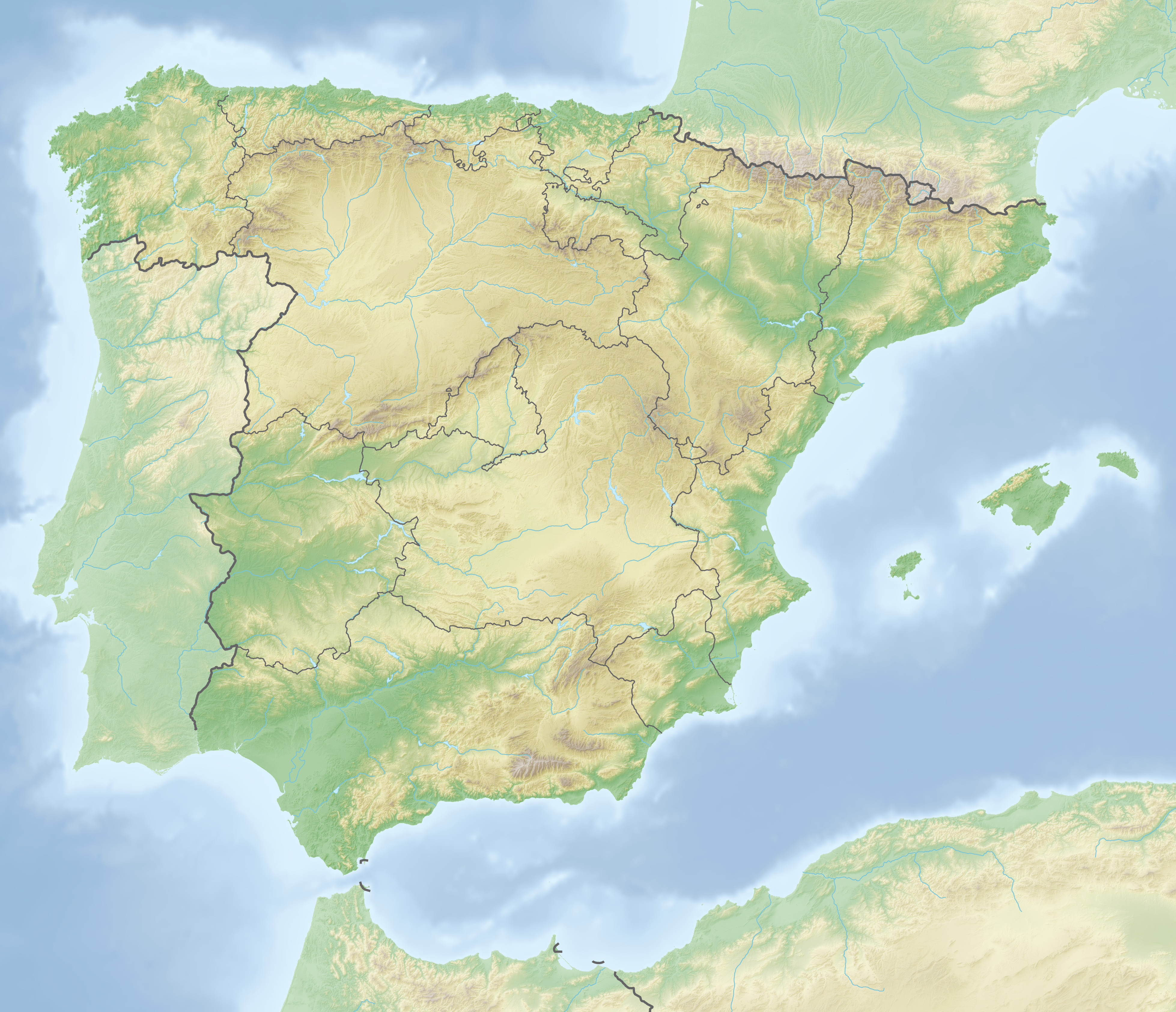
Location
1 explorer visited this place

0 m
The historic centre of Córdoba, Spain is one of the largest of its kind in Europe. In 1984, UNESCO registered the Mosque–Cathedral of Córdoba as a World Heritage Site. A decade later, it expanded the inscription to include much of the old town. The historic centre has a wealth of monuments preserving large traces of Roman, Islamic, and Christian times.
3 m
The Mosque–Cathedral of Córdoba is the cathedral of the Roman Catholic Diocese of Córdoba in the Spanish region of Andalusia. Officially called the Cathedral of Our Lady of the Assumption, it is dedicated to the Assumption of Mary. Due to its status as a former mosque, it is also known as the Mezquita and, in a historical sense, as the Great Mosque of Córdoba.
According to traditional accounts, a Visigothic church, the Catholic Christian Basilica of Vincent of Saragossa, originally stood on the site of the current Mosque-Cathedral, although this has been a matter of scholarly debate. The Great Mosque was constructed in 785 on the orders of Abd al-Rahman I, founder of the Islamic Emirate of Córdoba. It was expanded multiple times afterwards under Abd al-Rahman's successors up to the late 10th century. Among the most notable additions, Abd al-Rahman III added a minaret, and his son al-Hakam II added a richly decorated new mihrab and maqsurah section. The mosque was converted to a cathedral in 1236 when Córdoba was captured by the Christian forces of Castile during the Reconquista. The structure itself underwent only minor modifications until a major building project in the 16th century inserted a new Renaissance cathedral nave and transept into the center of the building. The former minaret, which had been converted to a bell tower, was also significantly remodelled around this time. Starting in the 19th century, modern restorations have, in turn, led to the recovery and study of some of the building's Islamic-era elements. Today, the building continues to serve as the city's cathedral, and Mass is celebrated there daily.
The mosque structure is an important monument in the history of Islamic architecture and was highly influential on the subsequent "Moorish" architecture of the western Mediterranean regions of the Muslim world. It is also one of Spain's major historic monuments and tourist attractions, as well as a UNESCO World Heritage Site since 1984.
38 m
The Diocese of Córdoba is a Latin Church diocese of the Catholic Church located in the city of Córdoba in the ecclesiastical province of Sevilla in Spain. Demetrio Fernández González is the current bishop.

75 m
San Sebastián Hospital is a 16th-century building on Calle Torrijos in Córdoba, Spain. It is situated in the historic centre, just opposite the west front of the Mosque–Cathedral of Córdoba. Founded in 1363 in Alcayceria, it was moved in the early 16th century. Built to a design by Hernán Ruiz, el Viejo, construction on the current building occurred during the period of 1512-16. The building served as a hospital; a home for mothers and infants; and currently houses the Palace of Congresses and Exhibitions, as well as the Office of Tourism.

93 m
The Emirate of Córdoba, and from 929, the Caliphate of Córdoba, was an Arab Islamic state ruled by the Umayyad dynasty from 756 to 1031. Its territory comprised most of the Iberian Peninsula, the Balearic Islands, and parts of North Africa, with its capital in Córdoba. From 756 it was ruled as an independent emirate until Abd al-Rahman III proclaimed himself as caliph in 929.
The state was founded by Abd al-Rahman I, an Umayyad prince who fled the defeat and persecution of the Umayyad clan in Bilad Al-Sham following the Abbasid revolution. The polity flourished for nearly three centuries, before disintegrating in the early 11th century during the Fitna of al-Andalus, a civil war between the descendants of caliph Hisham II and the successors of his hajib, Almanzor. In 1031, after years of infighting, the caliphate collapsed and fractured into a number of independent Muslim taifa.
The period was characterized by an expansion of trade and culture, including the construction of well-known pieces of Andalusi architecture.