


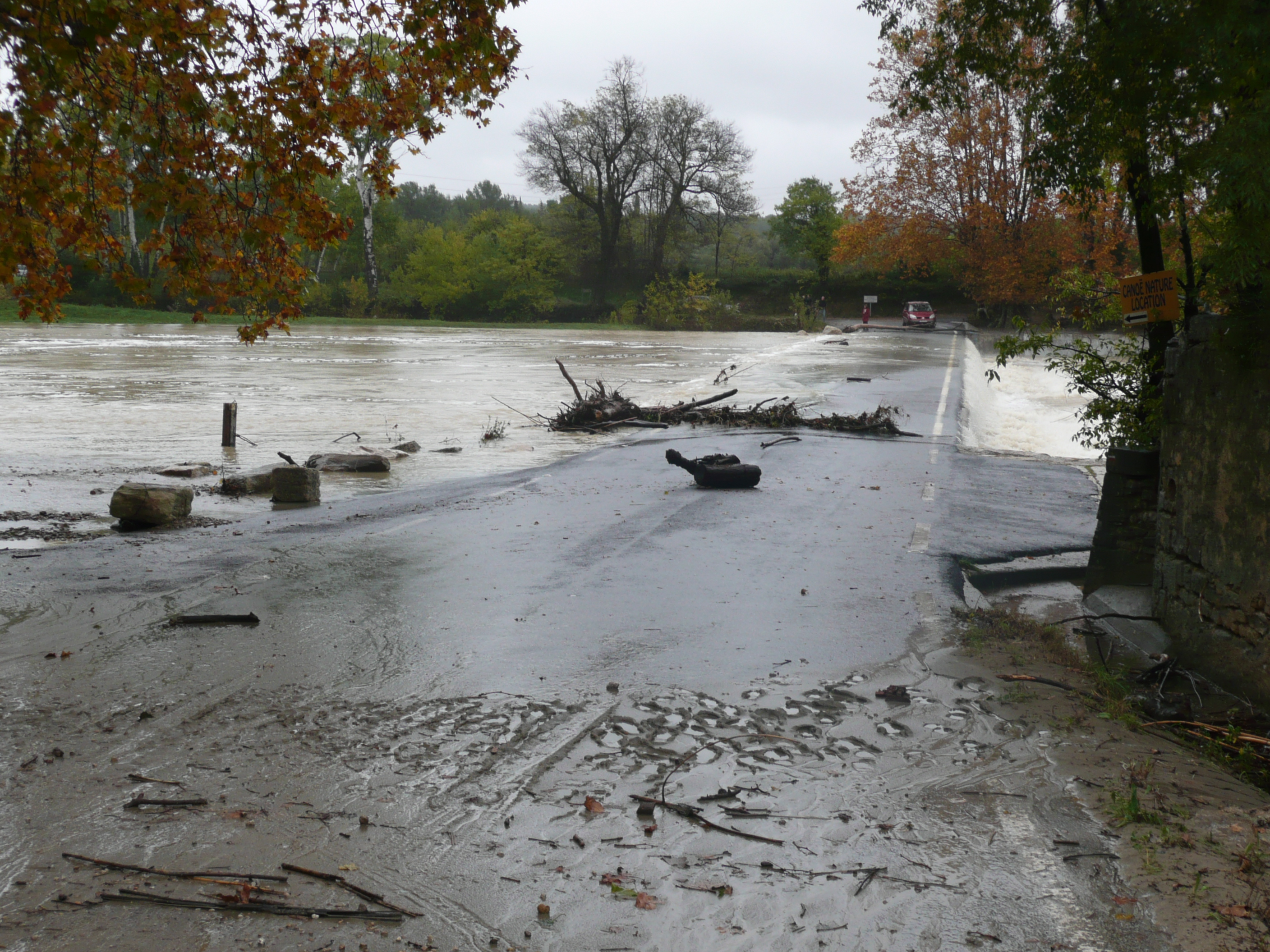
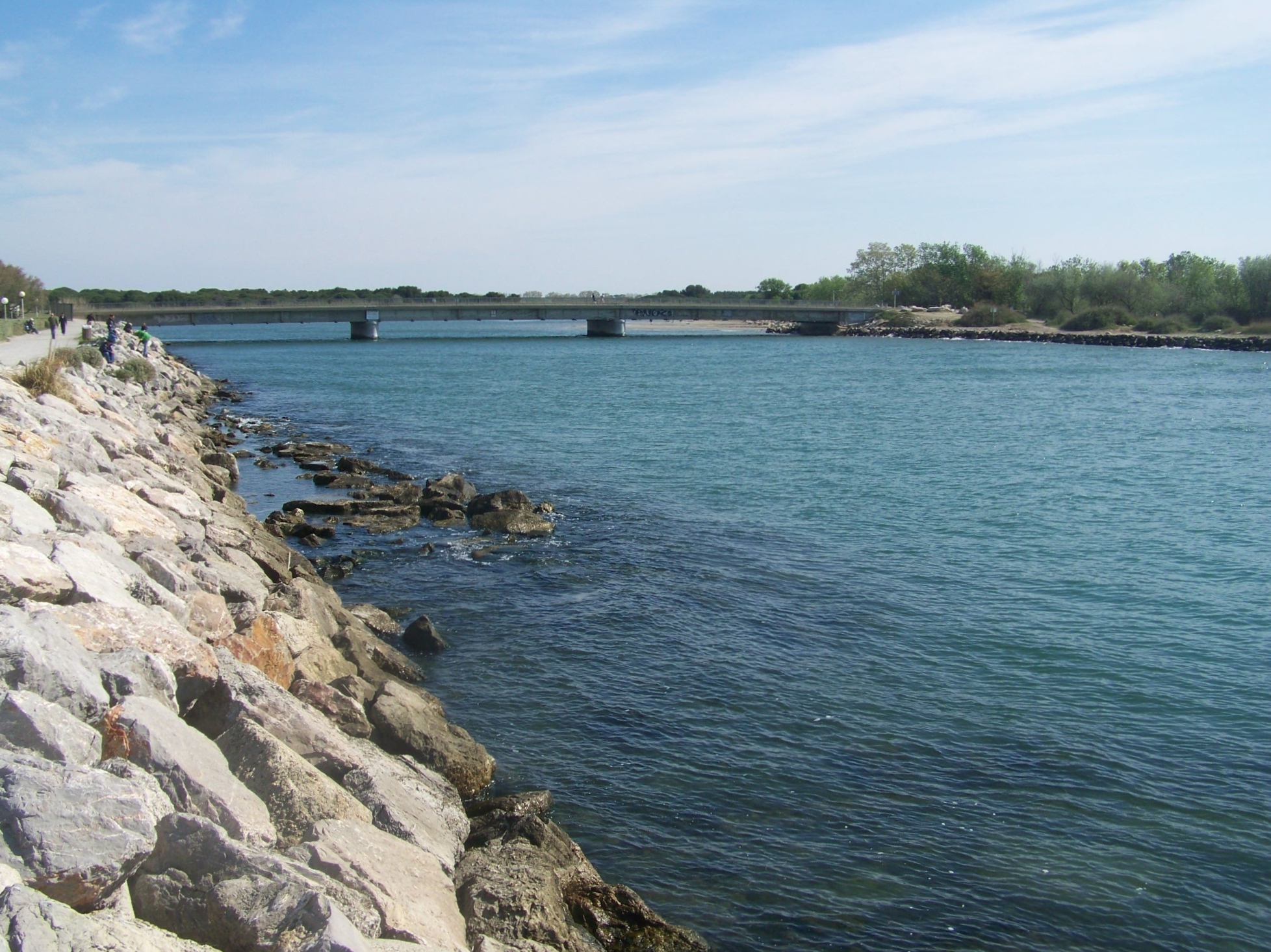
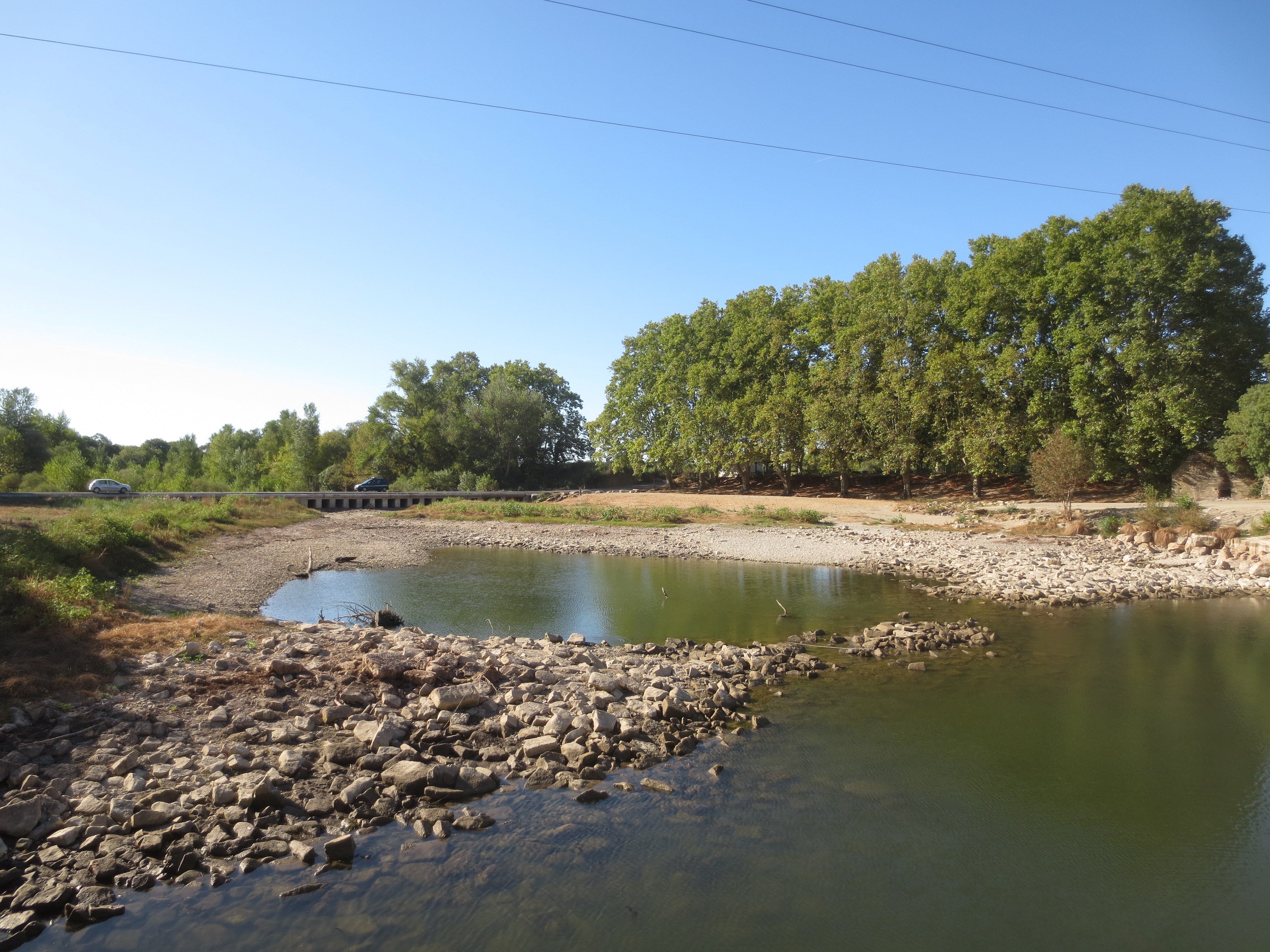
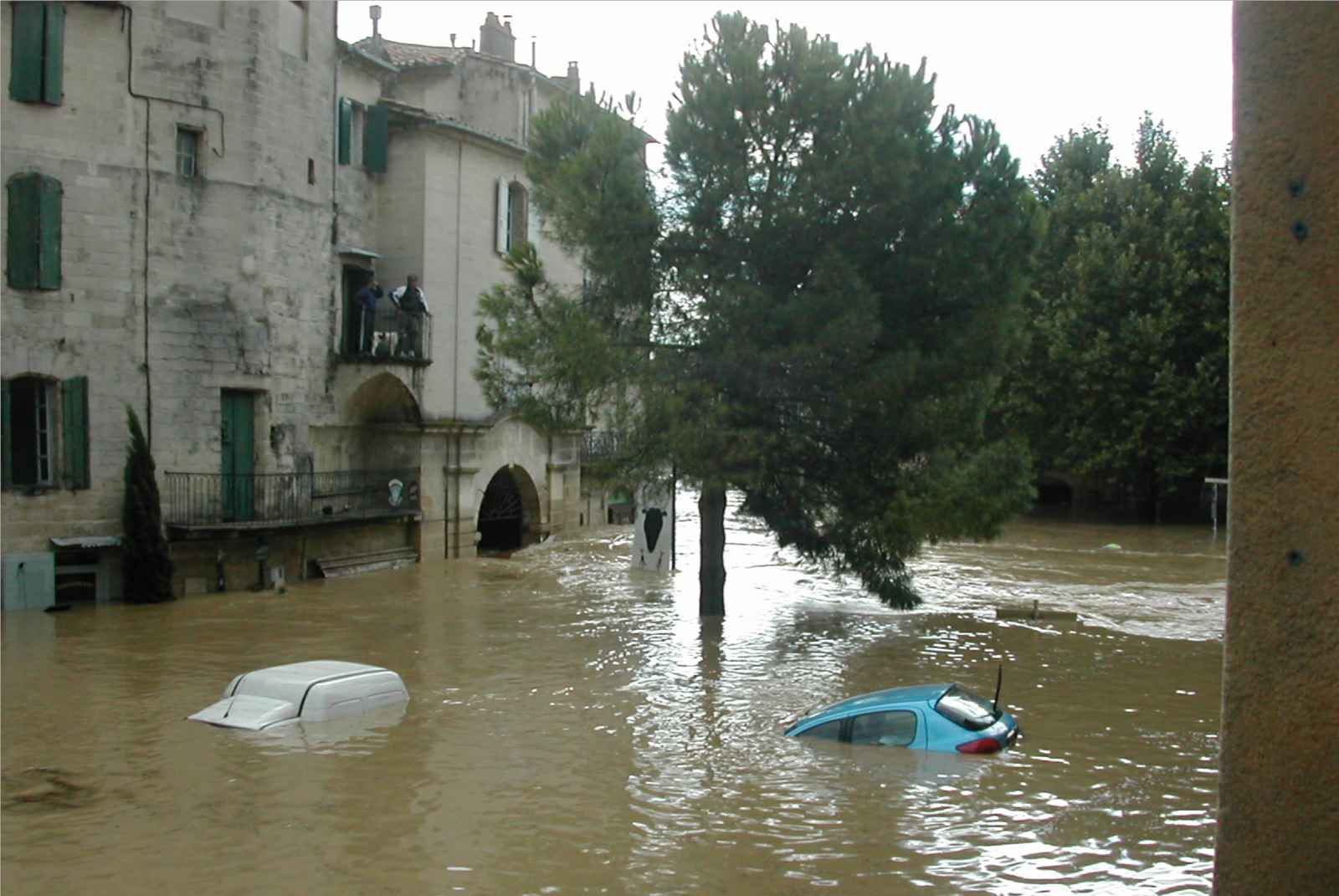
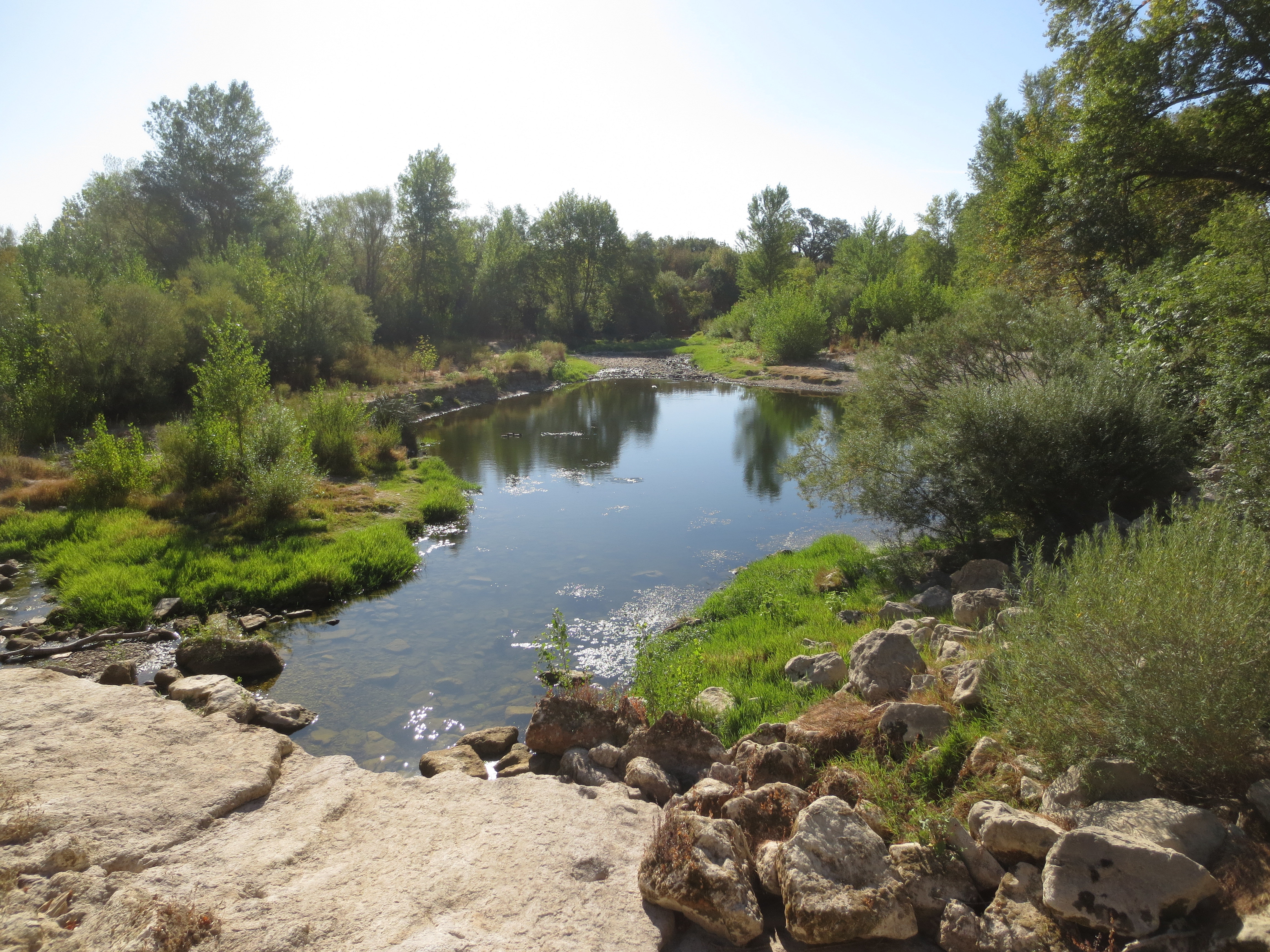
Le Vidourle (Vidorle en occitan) est un fleuve côtier français des Cévennes, du département du Gard, puis mitoyen avec le département de l'Hérault dans sa basse vallée à partir de Boisseron, dans la région Occitanie. Il se jette dans la mer Méditerranée. Il correspond à la limite occidentale de la Camargue, bordant la Petite Camargue à l'ouest.
Gallery







Sponsored
Location
2 explorers visited this place
1 m
The Vidourle is a 95.0 km river in southern France that flows into the Mediterranean Sea in Le Grau-du-Roi. Its source is in the Cévennes mountains, northwest of Saint-Hippolyte-du-Fort, at Saint-Roman-de-Codières. It flows generally southeast. At Gallargues-le-Montueux, it was crossed by the old Roman road Via Domitia with the now ruined Roman bridge Pont Ambroix.
The Vidourle flows through the following departments and towns:
Gard: Saint-Roman-de-Codières, Saint-Hippolyte-du-Fort, Sauve, Quissac, Sommières
Hérault: Lunel, Marsillargues
Gard: Saint-Laurent-d'Aigouze, Le Grau-du-Roi

373 m
Le Grau-du-Roi is a commune in the Gard department in southern France. It is the only commune in Gard to have a frontage on the Mediterranean. To the west is the Herault department and La Grande-Motte village, and to the east is the Bouches-du-Rhone department. Using the sea as a vantage point, the commune has four distinct sections: the right beach, the Village, the left beach, Port-Camargue and L'Espiguette. Immediately landwards are the large shallow étangs, saline marshes, which separate it from Aigues Mortes, a neighboring mediaeval walled city that used to be a port. The étangs are home to numerous flamingoes.

531 m
Le Grau-du-Roi is a railway station in Le Grau-du-Roi, Occitanie, southern France. Within TER Occitanie, it is part of line 26.

4.8 km
La Grande-Motte is a commune in the Hérault département in Occitanie in southern France. The commune was created in 1974 from part of the commune of Mauguio. It is a popular seaside resort and port near Montpellier, built in the 1960s and 1970s. La Grande-Motte is characterized by homogeneous architecture; many of the prominent buildings are pyramidal in form. With 2 million tourists per year it is one of the favorite resorts of the French.

5.8 km
The ramparts of Aigues-Mortes are the 13th-century fortifications of the town Aigues-Mortes, in Gard, France. It is a listed historical monument since 1903.
Dans les années 1960, son cours a été modifié au niveau de son embouchure. Il se jetait à l'origine dans l'étang de l'Or mais alimente aujourd'hui l'étang du Ponant.