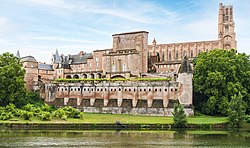
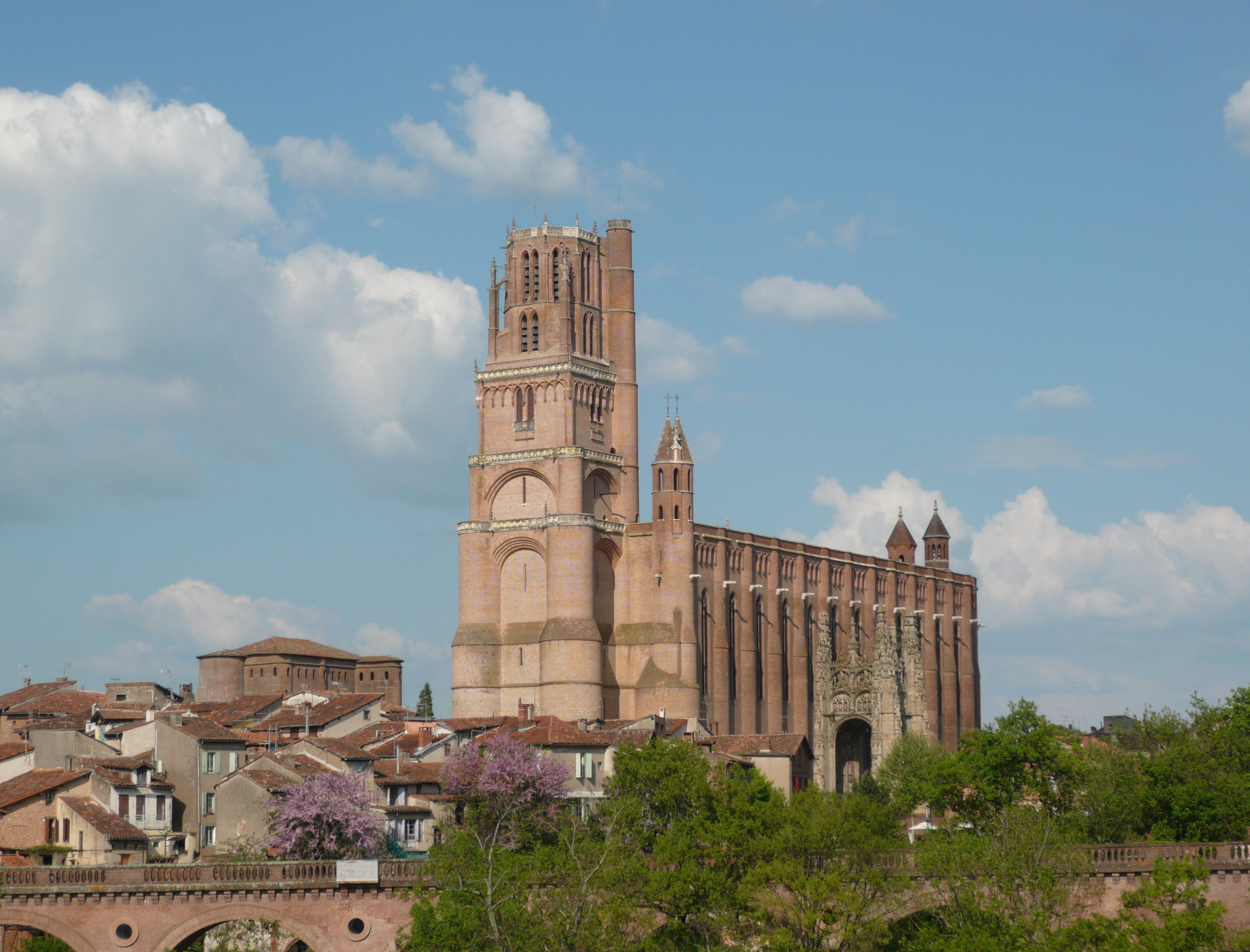
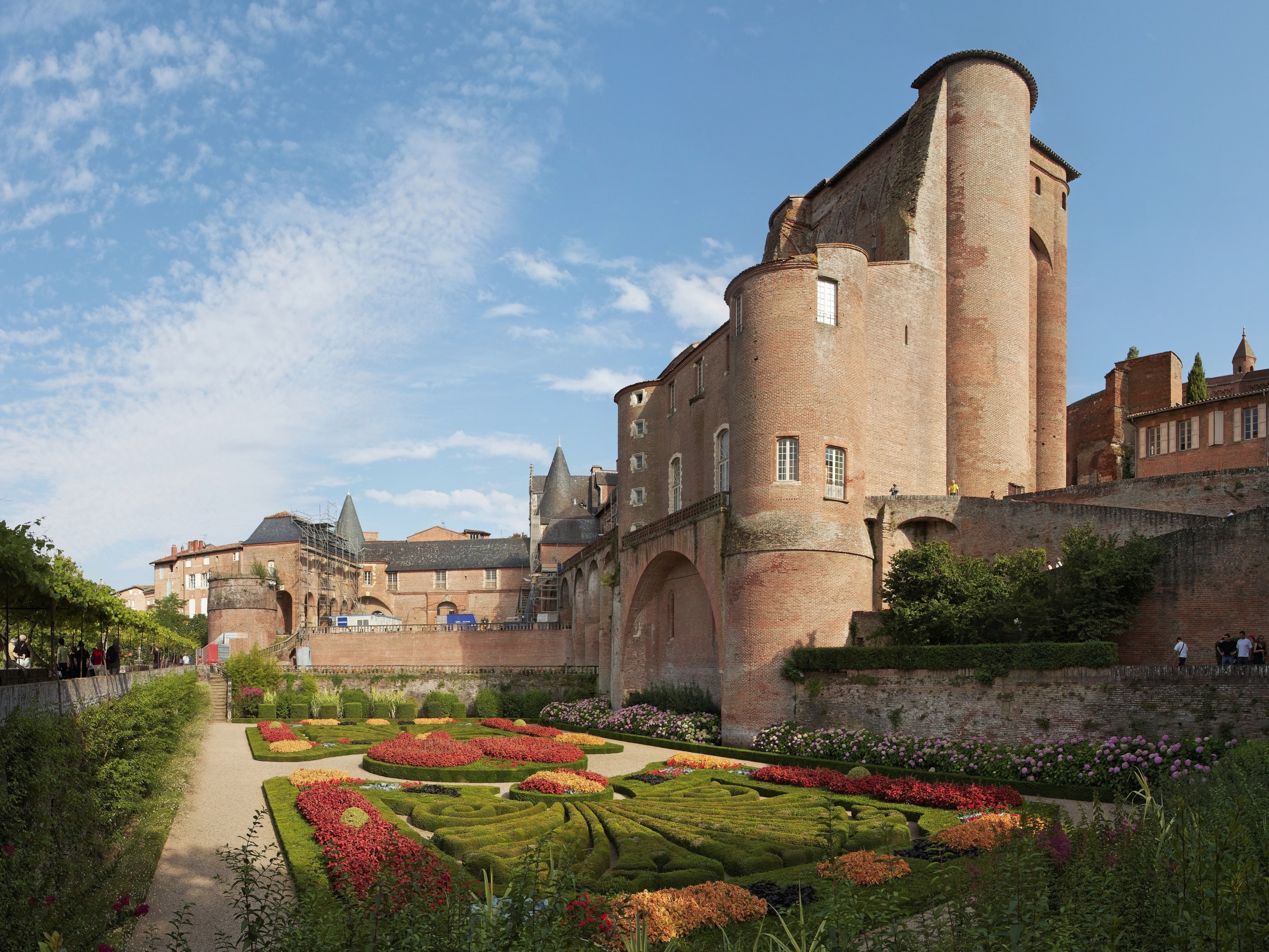
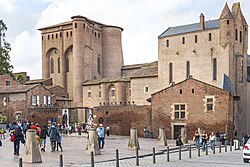
La cité épiscopale d'Albi est un ensemble architectural essentiellement médiéval situé dans la ville d'Albi, en France. Sa construction est marquée par la brique rouge de terre cuite. L'ancienne puissance politique et économique des évêques d'Albi transparaît dans les deux éléments majeurs, la cathédrale Sainte-Cécile et le palais de la Berbie.
Gallery







Sponsored
Location
1 explorer visited this place
103 m
The Musée Toulouse-Lautrec is an art museum in Albi, southern France, dedicated mainly to the work of the painter Henri de Toulouse-Lautrec who was born in Albi. The 13th-century building was originally the palace of the bishop of Albi Cathedral, which is next to the museum. Both are part of a UNESCO World Heritage Site.

319 m
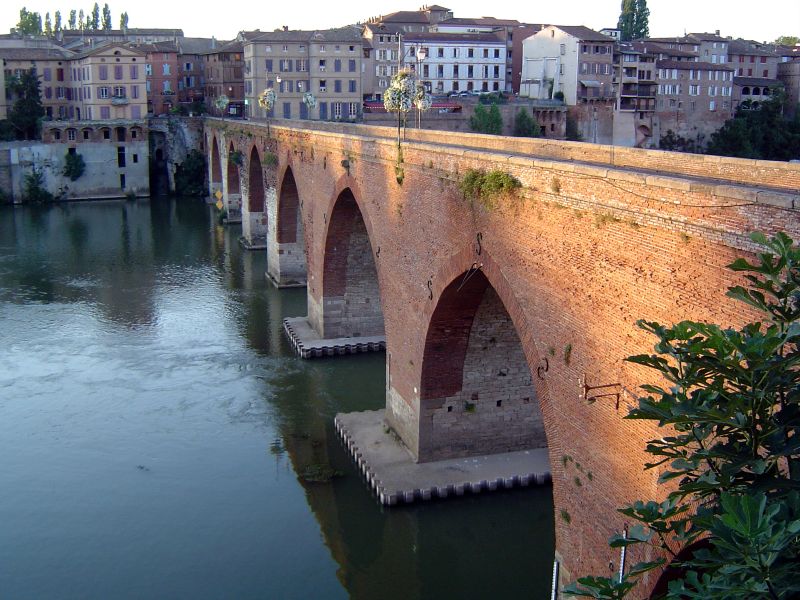
Albi is a commune in southern France. It is the prefecture of the Tarn department, on the river Tarn, 85 km northeast of Toulouse. Its inhabitants are called Albigensians, Occitan: albigés -esa). It is the seat of the Archbishop of Albi.
The episcopal city, around the Cathedral Sainte-Cécile, was added to the UNESCO list of World Heritage Sites in 2010 for its unique architecture. The site includes the Musée Toulouse-Lautrec, dedicated to the artist who was born in Albi.

333 m
The Hôtel de Ville is a municipal building in Albi, Tarn, in southern France, standing on Rue de l'Hôtel de Ville. It was designated a monument historique by the French government in 1971.
629 m
The canton of Albi-1 is an administrative division of the Tarn department, southern France. It was created at the French canton reorganisation which came into effect in March 2015. Its seat is in Albi.
It consists of the following communes:
Albi

762 m
Albi-Ville is a railway station in Albi, Occitanie, which is the southernmost administrative region of France. The station is located on the Toulouse–Rodez railway line.
Ferme bastion catholique face au catharisme et au protestantisme, la ville a cependant connu un contre-pouvoir bourgeois, dont la présence est attestée par de remarquables hôtels particuliers.