


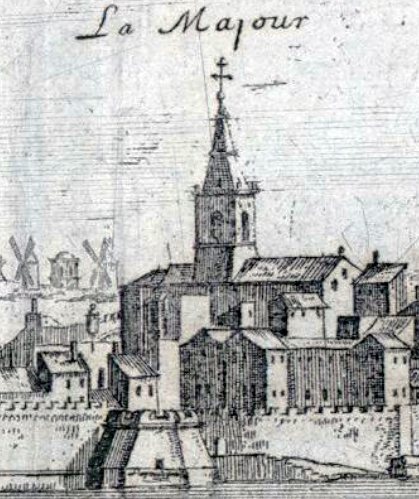
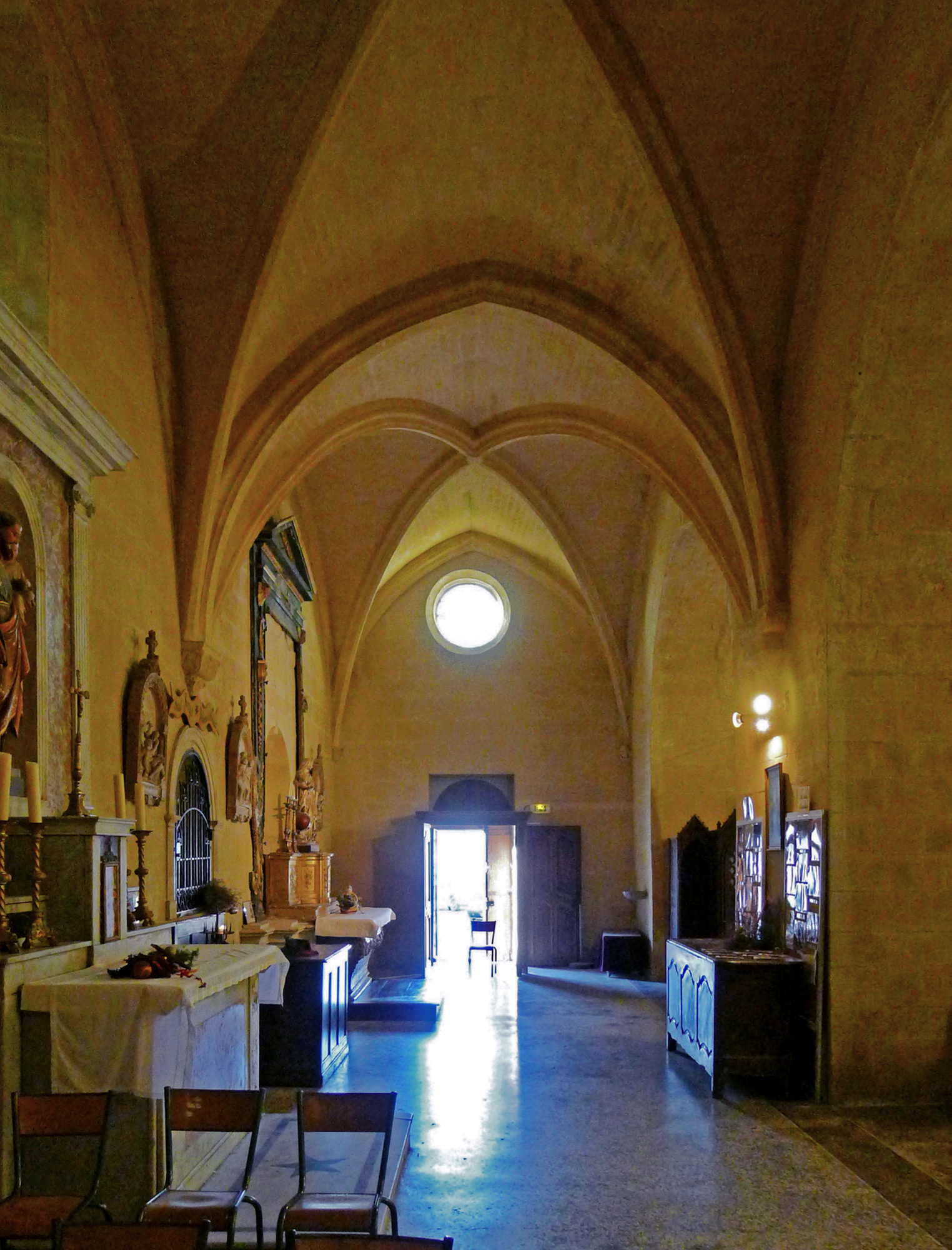
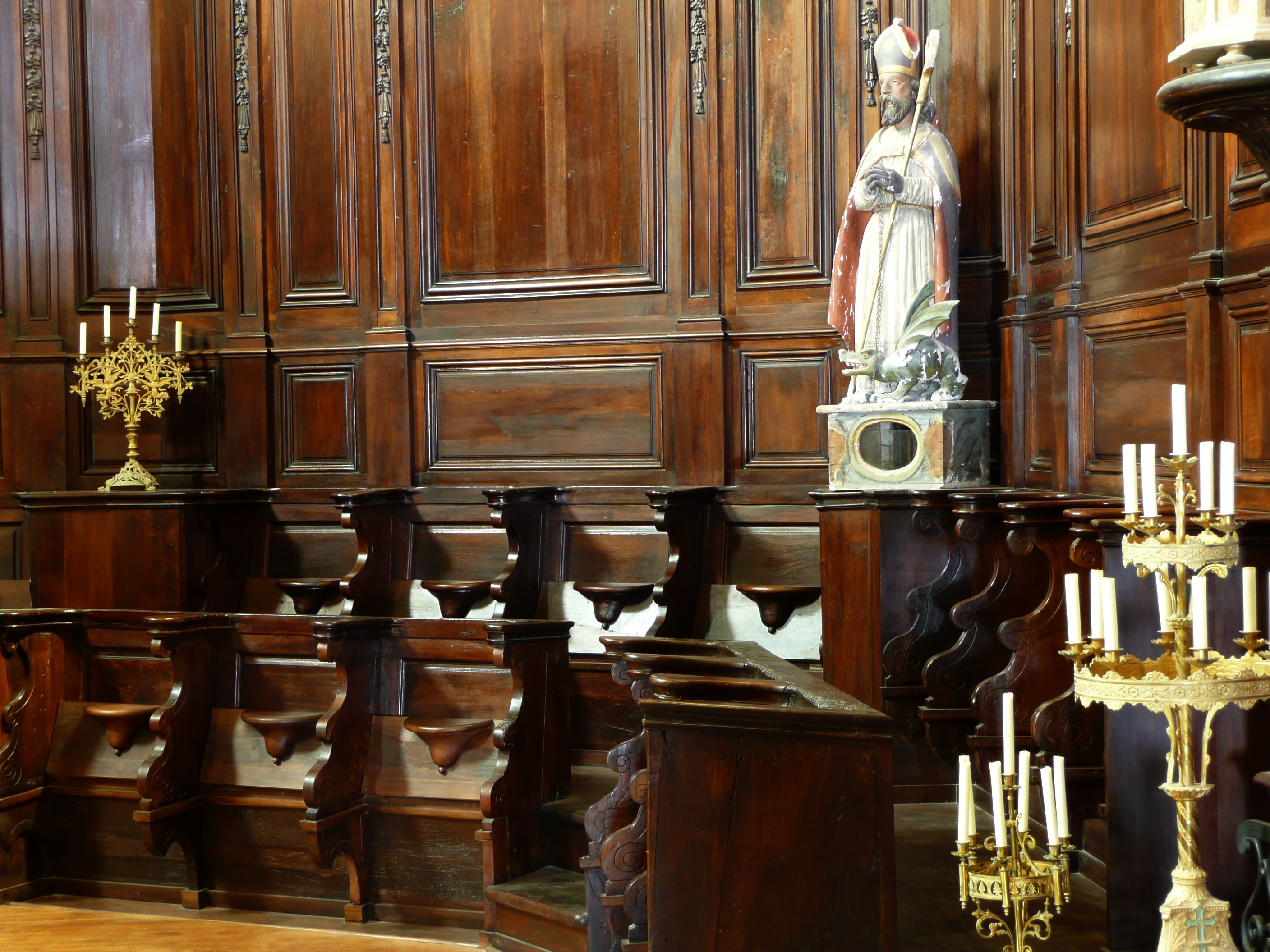
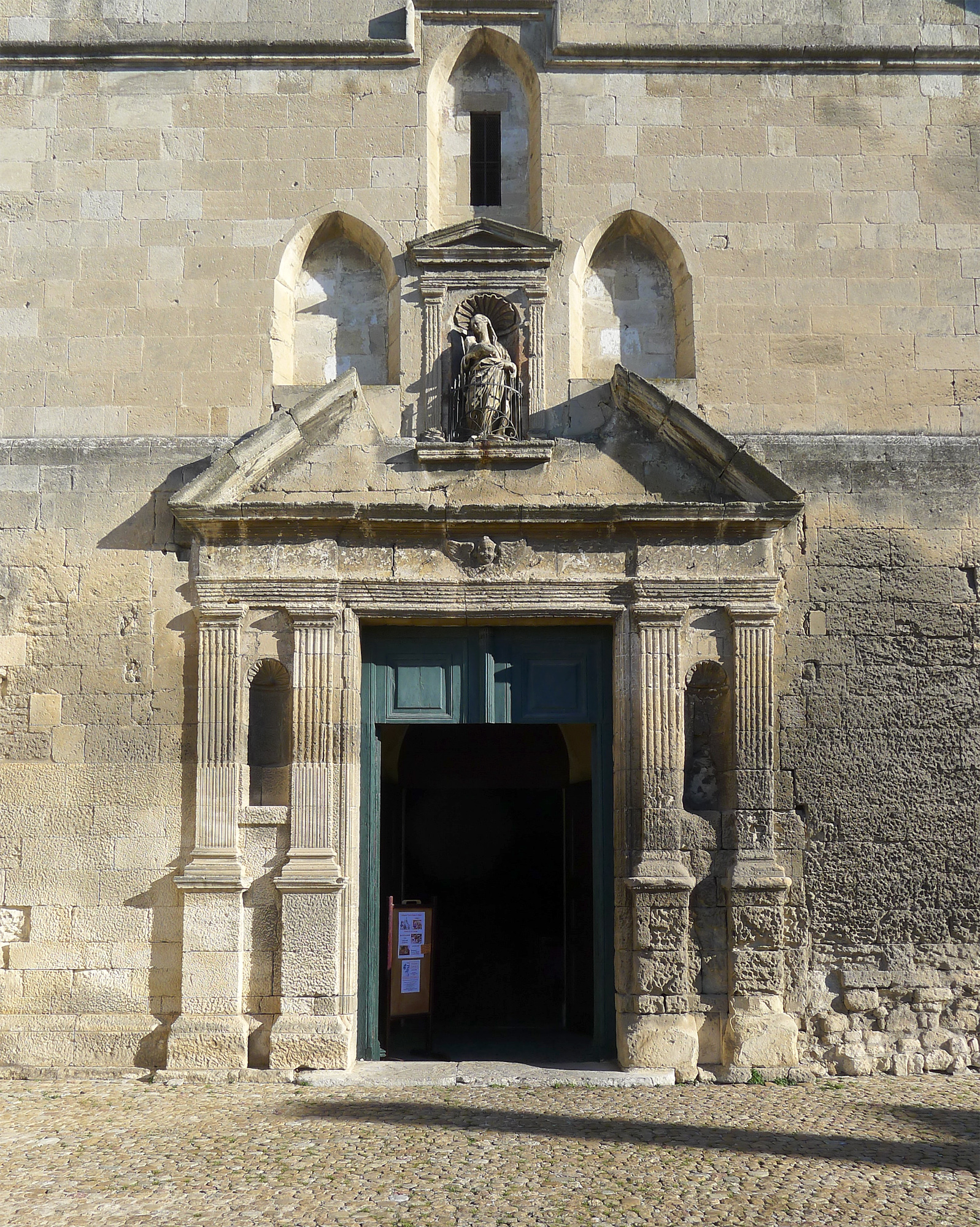
L'église Notre-Dame-la-Major d'Arles est une ancienne collégiale romano-gothique de la ville d'Arles dans le département des Bouches-du-Rhône. Elle est située à l'extrémité nord de la colline de l'Hauture, surplombant le boulevard Émile Combes à l'est et les arènes d'Arles à l'ouest. Elle fut le siège de la paroisse la plus étendue de la ville et est une des plus anciennes églises d'Arles, car l'édifice primitif aurait été consacré en 452, lors du troisième concile d'Arles, par l'archevêque Ravennius, comme l'atteste le relevé, affiché dans la chapelle Saint-Martin, d'une inscription gravée sur la façade et disparue en 1592 lors de sa réfection.
Gallery











Sponsored
Location

119 m
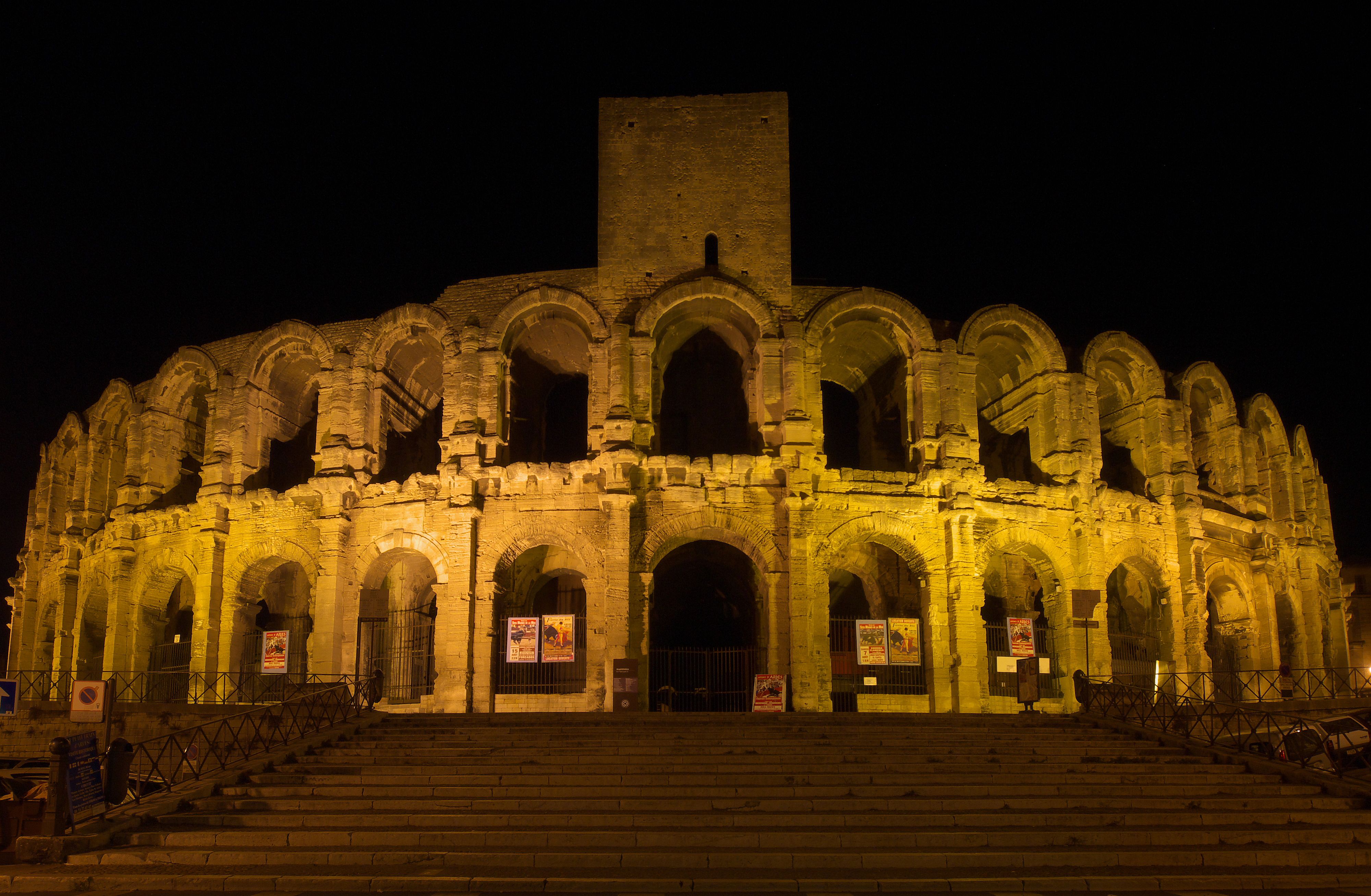
The Arles Amphitheatre is a Roman amphitheatre in Arles, southern France. Two-tiered, it is likely the most prominent tourist attraction in the city which thrived in ancient Rome. The towers jutting out from the top are medieval add-ons.
Built in 90 AD, the amphitheatre held over 20,000 spectators of chariot races and bloody hand-to-hand battles. Nowadays, it draws smaller crowds for bullfighting during the Feria d'Arles, as well as plays and concerts in summer.
In 1981, Arles Amphitheatre was listed as a UNESCO World Heritage Site, together with other Roman and medieval buildings of the city, as part of the Arles, Roman and Romanesque Monuments group.

152 m
Arles, Roman and Romanesque Monuments is an area containing a collection of monuments in the city centre of Arles, France, that has been listed as a UNESCO World Heritage Site since 1981.
The official brief description for this as a World Heritage Site is:
Arles is a good example of the adaptation of an ancient city to medieval European civilization. It has some impressive Roman monuments, of which the earliest—the arena, the Roman theatre and the cryptoporticus—date back to the 1st century B.C. During the 4th century Arles experienced a second golden age, as attested by the baths of Constantine and the necropolis of Alyscamps. In the 11th and 12th centuries, Arles once again became one of the most attractive cities in the Mediterranean. Within the city walls, Saint-Trophime, with its cloister, is one of Provence's major Romanesque monuments.
The protected area covers 65 hectares. The following buildings are located within this area:
Arles Amphitheatre
The Roman theater
Cryptoporticus and Roman forum: Located underneath the Chapel of the Jesuit College and the City Hall, this cryptoporticus was likely built by the Greeks in the 1st century BCE. It may have been used as a slave barracks.
The Thermes of Constantine: A public bath, which was built during the 4th century CE.
Ramparts of the Roman castrum
The Alyscamps
The Church of St. Trophime and its cloister
Roman exedra

186 m
The Abbey of St Caesarius, at first called the abbey or monastery of St John, was a nunnery in the city of Arles in the south-eastern corner of the rampart. It was founded in 512 AD by Saint Caesarius of Arles, after whom it is now named. The abbey was suppressed in the French Revolution. Those that remained of the buildings were later used as a hospice; they are now abandoned.

270 m
The Roman Theatre of Arles is a 1st-century Roman theatre, built during the reign of Caesar Augustus. It is located next to the Arles Amphitheatre in the city of Arles, Provence, France. Along with the other Roman and medieval buildings in Arles, the theatre was listed on the UNESCO World Heritage List as part of the Arles, Roman and Romanesque Monuments site for their testimony to the ancient history of the city.
In Roman times, the theatre had 33 rows of steps and could seat 8000 people. It is as large as the Roman Theatre of Orange, although much less well-preserved.
During the Middle Ages, the theatre was used as a quarry, with the stone pillaged to build the city wall and other buildings. Today, only the stage area, orchestra section, seating rows, and two columns survive.
The Venus of Arles, a famous Roman statue made of marble, was found in pieces at the Roman theatre in 1651.

333 m
The canton of Arles is an administrative division of the Bouches-du-Rhône department, in southeastern France. It was created at the French canton reorganisation which came into effect in March 2015. Its seat is in Arles.