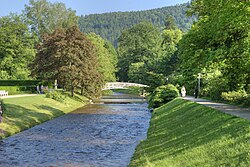
Le musée d'histoire de l'armement de Rastatt (WGM) est consacré à l'histoire militaire allemande de la période moderne. Il occupe l'aile méridionale de la résidence princière de Rastatt.
Gallery






Sponsored
Location

7 m
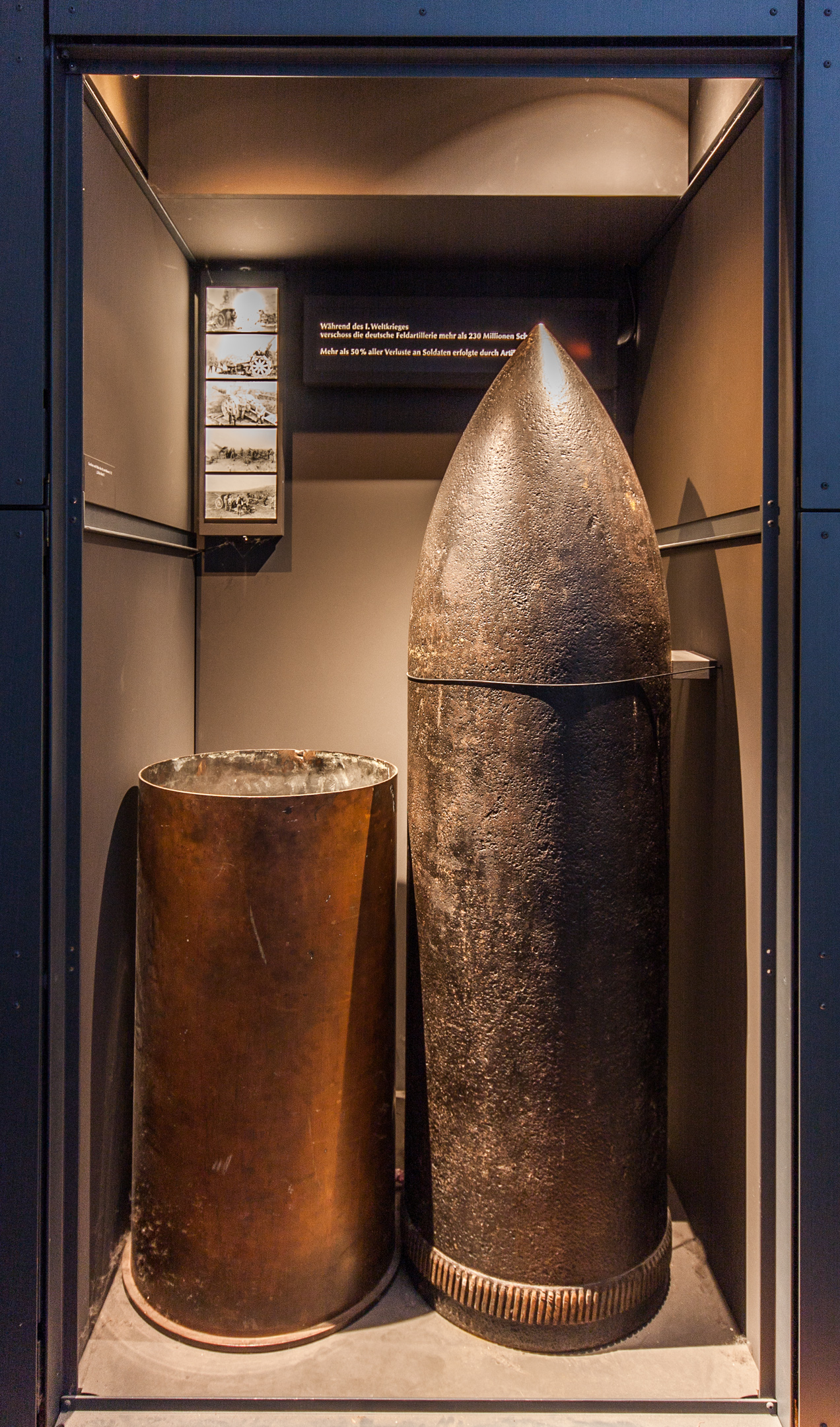
The Wehrgeschichtliches Museum Rastatt or WGM is a military historical museum in Rastatt, Germany. Since 1956, it has been housed in the south wing of the Schloss Rastatt. The museum was originally found in 1934 as the Badisches Armeemuseum. In 1969, the museum changed its name to Wehrgeschichtliches Museum.

92 m
The Erinnerungsstätte für die Freiheitsbewegungen in der deutschen Geschichte is a museum and memorial to free democratic traditions in Germany. It is housed in the Schloss Rastatt and known as the Freiheitsmuseum for short.
It was opened on 26 June 1974 by president Gustav Heinemann. It is overseen and owned by the German Federal Archives and is a central stopping-point on the 'Democracy Way' from Frankfurt to Lörrach. It has also mounted exhibitions on various topics, with permanent displays on:
Freedom movements in the early modern period
Social issues
Between Two Revolutions: 1789–1848
The March Revolution 1848
Die Deutsche Nationalversammlung 1848/49
Fundamental rights
The Struggle on the Reichsverfassung 1849
The long road to democracy: 1850–1918
Freedom-fighters who emigrated
Germany 1918–1945 - Resistance in Nazi Germany
The "Weiße Rose"
Germany 1945–1990 - Resistance in the Soviet Zone and East Germany
Gustav W. Heinemann and Rastatt
92 m
Schloss Rastatt, also known as Residenzschloss Rastatt, is a Baroque schloss in Rastatt, Germany. The palace and the garden were built between 1700 and 1707 by the Italian architect Domenico Egidio Rossi for Margrave Louis William of Baden-Baden. Visitors can tour the restored Baroque interior and gardens.

381 m
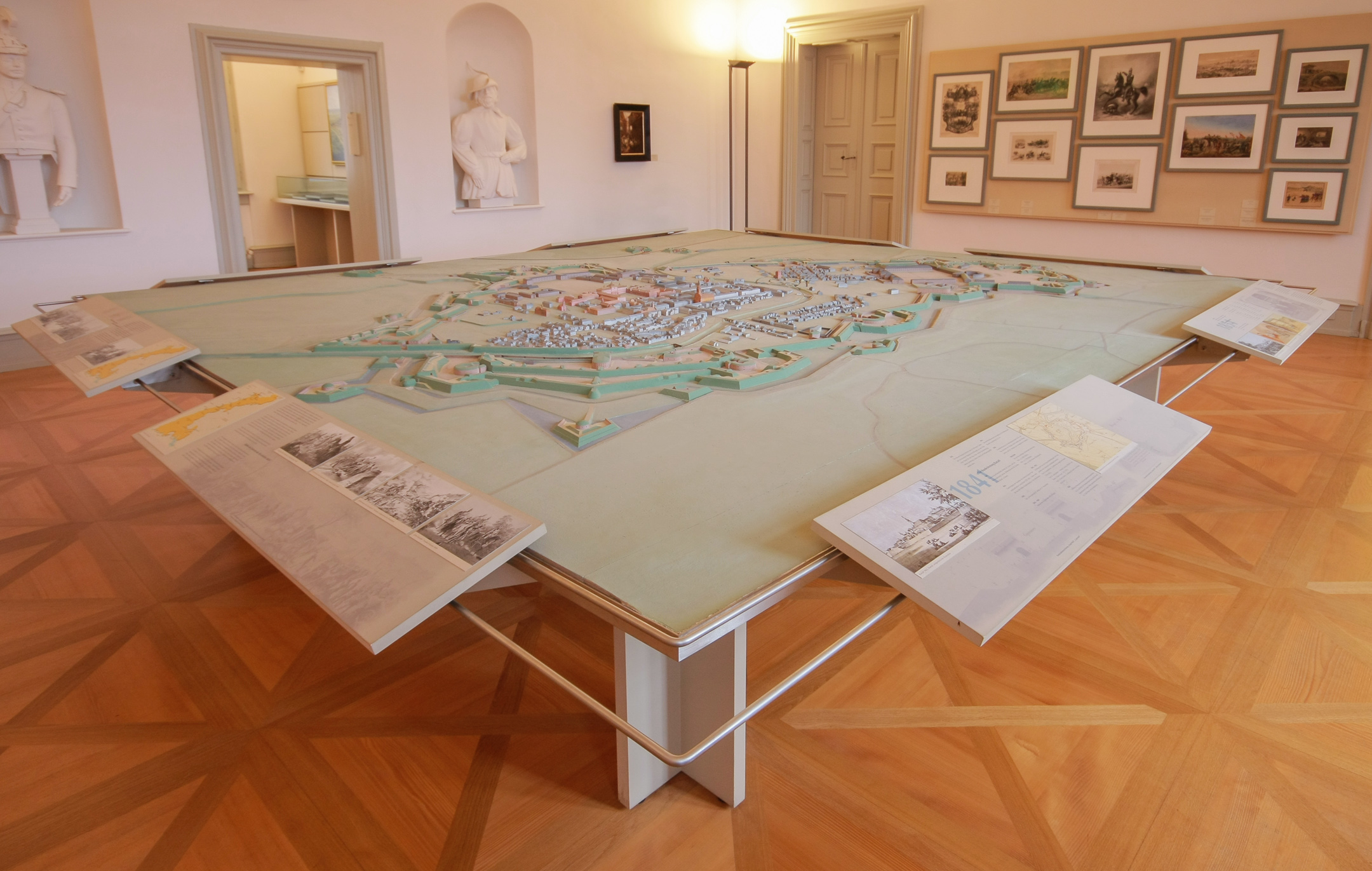
Rastatt Fortress was built from 1842 to 1852. The construction of this federal fortress was one of the few projects that the German Confederation was able to complete. The fortress site covered the Baden town of Rastatt and, in 1849, played an important role during the Baden Revolution. It was abandoned in 1890 and most of it was eventually demolished.