


Lower Mokotów (Polish: Dolny Mokotów [ˈdɔl.nɘ̟ mɔˈkɔ.tuf]) is an area in the city of Warsaw, Poland, forming the eastern side of the Mokotów district. It contains six out of its twelve City Information System areas, which are: Augustówka, Czerniaków, Sadyba, Siekierki, Sielce, and Stegny. Lower Mokotów is a residential area, dominated by high-rise housing with apartment buildings.




Location
1 explorer visited this place
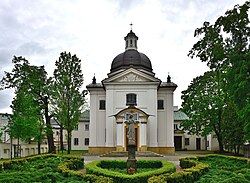


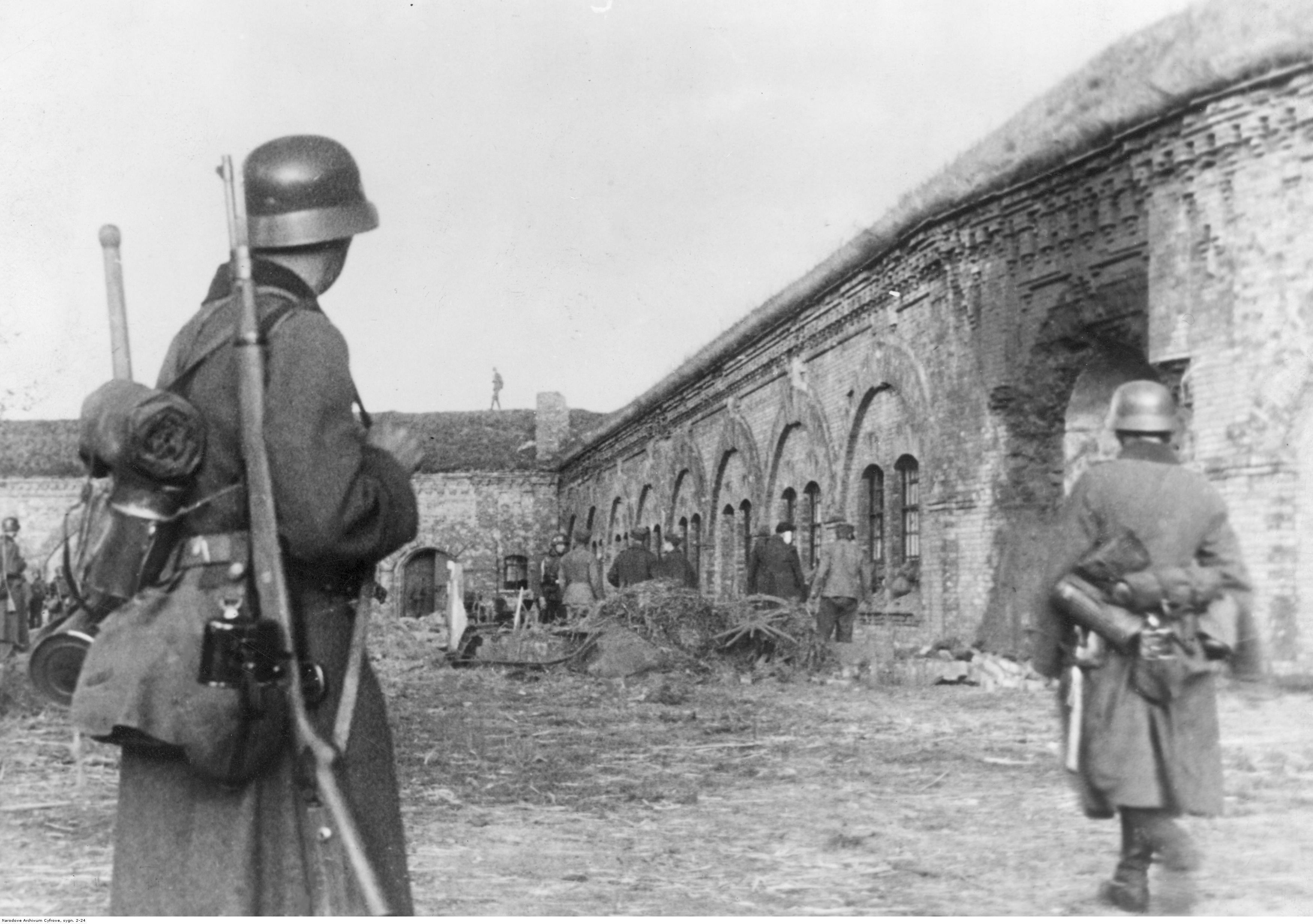
It includes the neighbourhoods of Czerniakow, Sadyba, Siekierki, Sielce, Stegny. It also includes low-rise areas with single-family housing, such as in Augustówka, Królikarnia, Sadyba, and Siekierki. Lower Mokotów features the St. Anthony of Padua Church, a Roman Catholic parish church dating to 1693, and the Sielce Manor House, a historical a neoclassical two-storey palace built in the 18th century. It also includes Uniwersus, a historical brutalist bookstore pavilion dating to 1980, now an office building, and Agora Headquarters, a postmodernist building, opened in 2002, regarded as one of the best office building designs in the city. Additionally, the area features shopping centres such as Centrum Handlowe Panorama and Sadyba Best Mall. Lower Mokotów features several green areas, including three parsk in the neighbourhood of Sielce, named the Arcadia Park, the Eye of the Sea Park, and the Sielce Park. It also includes the Warsaw Uprising Mound, an artificial hill with the height of 121 m above the sea level, or 31 m of relative height, which forms a memorial and an urban park. The area borders the Vistula river to the east, and Warsaw Escarpment in the west. It also includes Czerniaków Lake, the largest lake in Warsaw. The oldest known signs of human activity area come from around 500 BCE. In the 13th century, the village of Czerniaków was founded near the Vistula river. The next century, Sielce and Szopy were also established. In the 16th century, the village of Siekierki was also founded. In 1867, the area was divided between municipalities of Mokotów to the west and Wilanów to the east. Throughout the 1880s, three forts were built across Lower Mokotów by the Russian Imperial Army as part of the series of fortifications surrounding the city, known as the Warsaw Fortress. They were decommissioned in 1909, and partially demolished in 1913. Majority of the area of Lower Mokotów was incorporated into the city of Warsaw in 1916, with small portion were later added in 1938 and 1951. Between 1924 and 1928, the neighbourhood of Sadyba, consisting of single-family housing, was developed to the south of Czerniaków. Between 1953 and 1967, a series of housing estates were developed in the area of Sielce. They were followed with developments in the neighbourhoods of Czerniaków and Stegny, in the 1970s and 1980s. Another modernist housing estates were developed in the first quoter of the 21st century, including in the areas of Stegny and Siekierki. In 1993, Centrum Handlowe Panorama was opened becoming the first shopping mall in Warsaw. In 2002, the Siekierki Bridge was opened, forming the corssing over the Vistula river.