


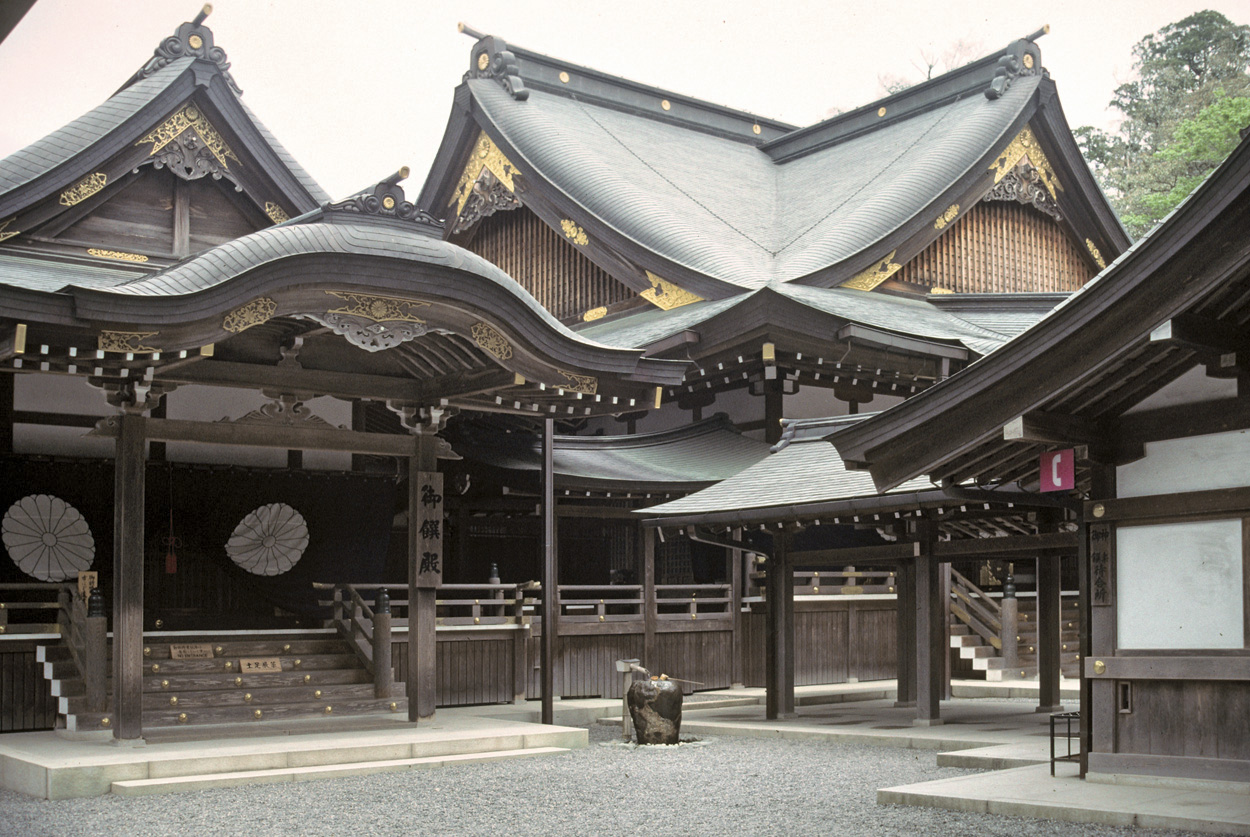
Le sanctuaire d'Ise (伊勢神宮, Ise-jingū), aussi connu comme le grand sanctuaire d'Ise (伊勢大神宮, Ise-daijingū), est le sanctuaire shinto le plus important du Japon, considéré comme le lieu le plus sacré de cette religion.
Gallery



Sponsored
Location
1 explorer visited this place

0 m
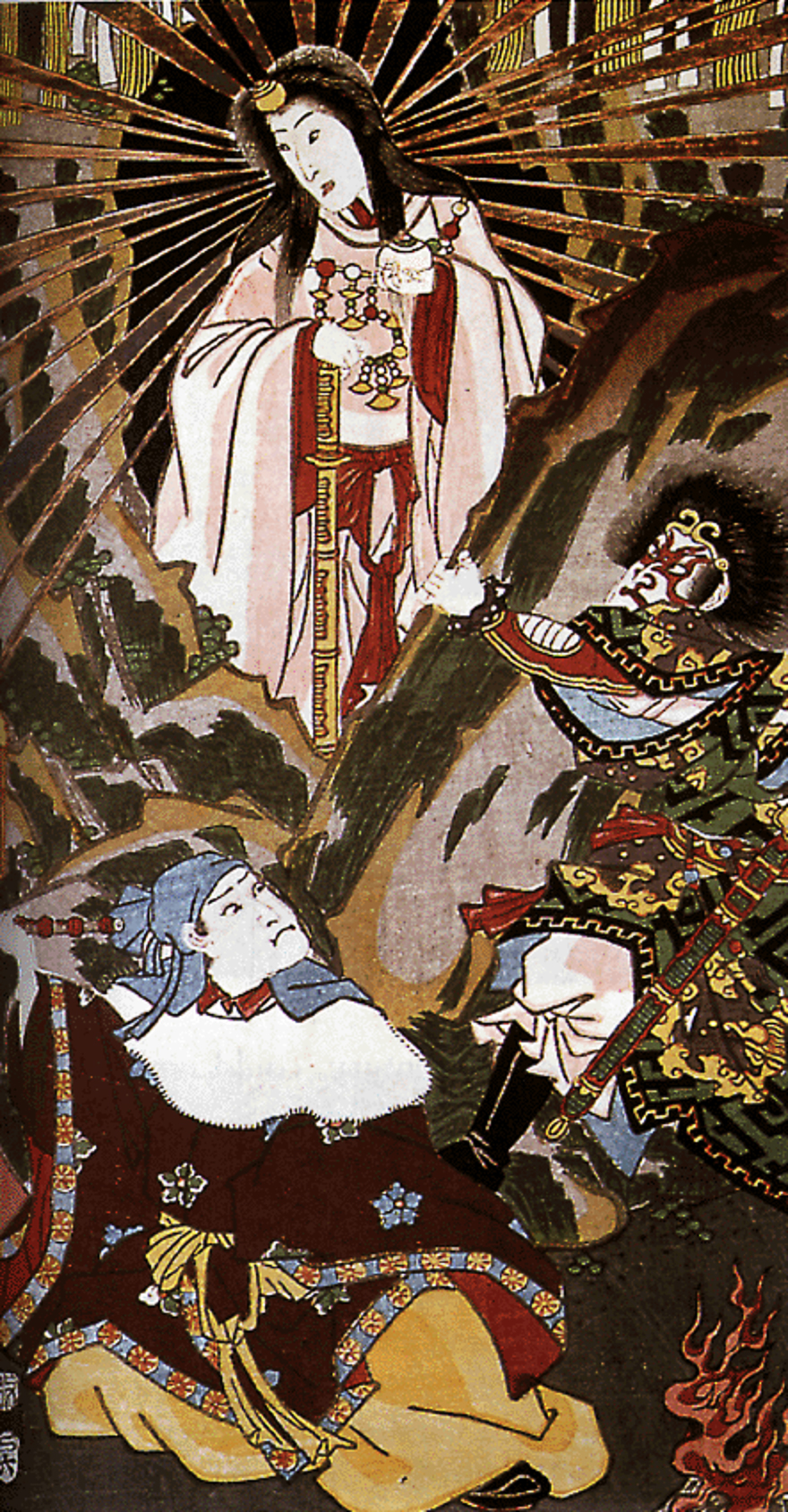
The Ise Shrine, located in Ise, Mie Prefecture of Japan, is a Shinto shrine dedicated to the solar goddess Amaterasu Ōmikami and the grain goddess Toyouke-hime. Also known simply as Jingū, Ise Shrine is a shrine complex composed of many Shinto shrines centered on two main shrines, Naikū and Gekū.
The Inner Shrine, Naikū, is dedicated to the worship of Amaterasu and is located in the town of Uji-tachi, south of central Ise, where she is believed to dwell. The shrine buildings are made of solid cypress wood and use no nails, instead being joined with wood. The Outer Shrine or Gekū, is located about six kilometers from Naikū and dedicated to Toyouke-hime, the female deity of agriculture, rice harvest and industry. Besides Naikū and Gekū, there are an additional 123 Shinto shrines in Ise City and the surrounding areas, 91 of them connected to Naikū and 32 to Gekū.
Purportedly the home of the Yata no Kagami, the shrine is Shinto's holiest and most important site. Access to both sites is strictly limited, with the general public not allowed beyond sight of the thatched roofs of the central structures, hidden behind four tall tamagaki. However, visitors are free to roam the forest, including its ornamental walkways, which date back to the Meiji period.
During the Edo period, it is estimated that one in ten Japanese people made the Okage mairi or pilgrimage to Ise. Accordingly, pilgrimage to the shrine flourished in both commercial and religious frequency. According to historical documents, 3.62 million people visited the shrine in 50 days in 1625, and 1.18 million in three days in 1829, when the grand festival, held every 20 years, took place. Because the shrine is considered sanctuary, no security checkpoints were conducted, as it was considered sacrilege by the faithful. The two main shrines of Ise are joined by a pilgrimage road that passes through the old entertainment district of Furuichi.
The chief priest or priestess of Ise, called the Saiō until the 14th century, must be related to the Imperial House of Japan and is responsible for watching over the Shrine. The current High Priestess of the shrine is former princess Sayako Kuroda, daughter of Akihito, the current Daijō Tennō.

657 m
The Hayashizaki Bunkō was a library and academy in the Edo period located in the Ujiimazaikecho neighborhood of the city of Ise, Mie, Japan. It was an important resource for kokugaku scholars in the Bakumatsu period. The building once housing the collection was designated a National Historic Site of Japan in 1954.

2.4 km
Isuzugawa Station is a passenger railway station in located in the city of Ise, Mie Prefecture, Japan, operated by the private railway operator Kintetsu Railway.

3.2 km
Sagawa Memorial Museum of Shinto and Japanese Culture, Kogakkan University is a university museum that opened in Ise, Mie Prefecture, Japan in 1992. The collection and displays recount Japanese history, culture, religion, and thought through a focus on Shinto and Shinto shrines.

3.3 km
Ise, formerly called Ujiyamada, is a city in central Mie Prefecture, on the island of Honshū, Japan. Ise is home to Ise Grand Shrine, the most sacred Shintō shrine in Japan. The city has a long-standing title – Shinto – that roughly means "the Holy City", and literally means "the Capital of the Kami". As of 31 July 2021, the city had an estimated population of 123,533 in 55,911 households and a population density of 590 people per km2. The total area of the city is 208.53 square kilometres.