


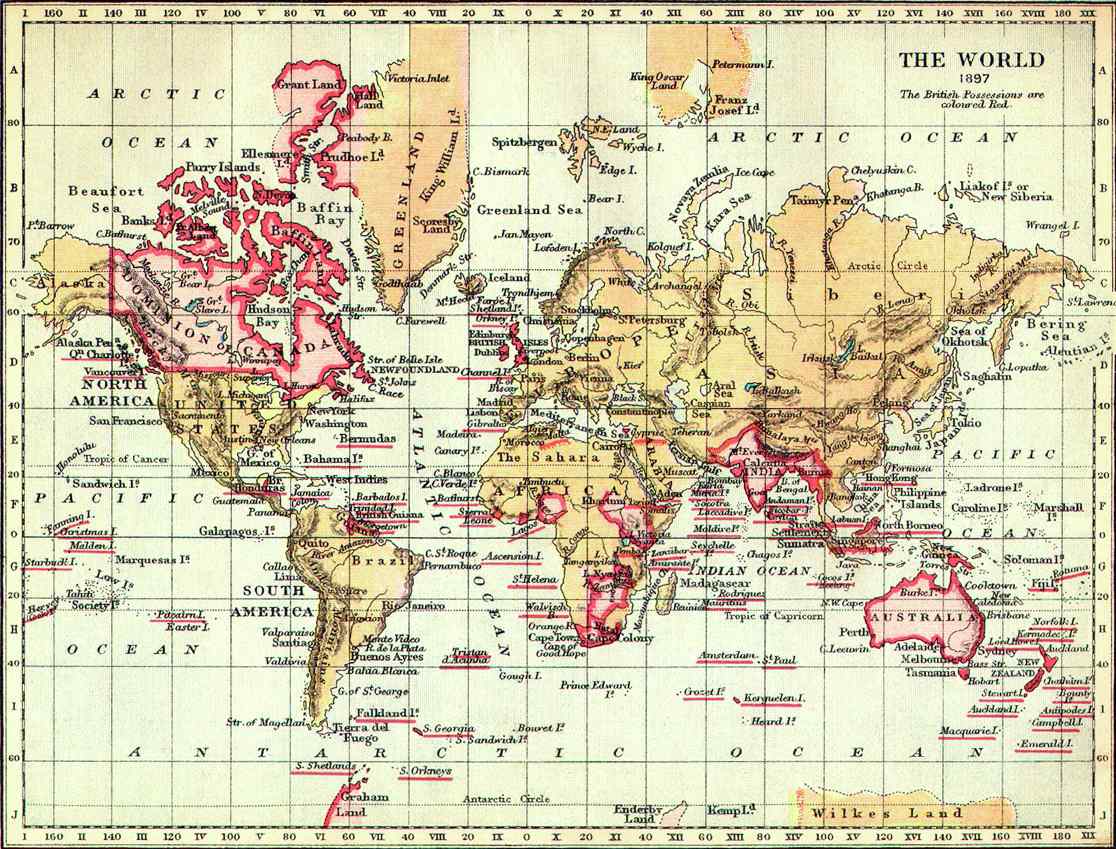
The Province of Pennsylvania, also known as the Pennsylvania Colony, was a British colony situated on the Mid-Atlantic seaboard of North America. The colony was founded for religious thinker William Penn, who received the land through a 1681 grant from Charles II of England. The name Pensiylvania (later standardized to Pennsylvania) is derived from Latin, meaning "Penn's Woods," a reference to William's father, Admiral Sir William Penn, rewarded for his wartime service in Jamaica and the Dutch Republic.


Location
2 explorers visited this place


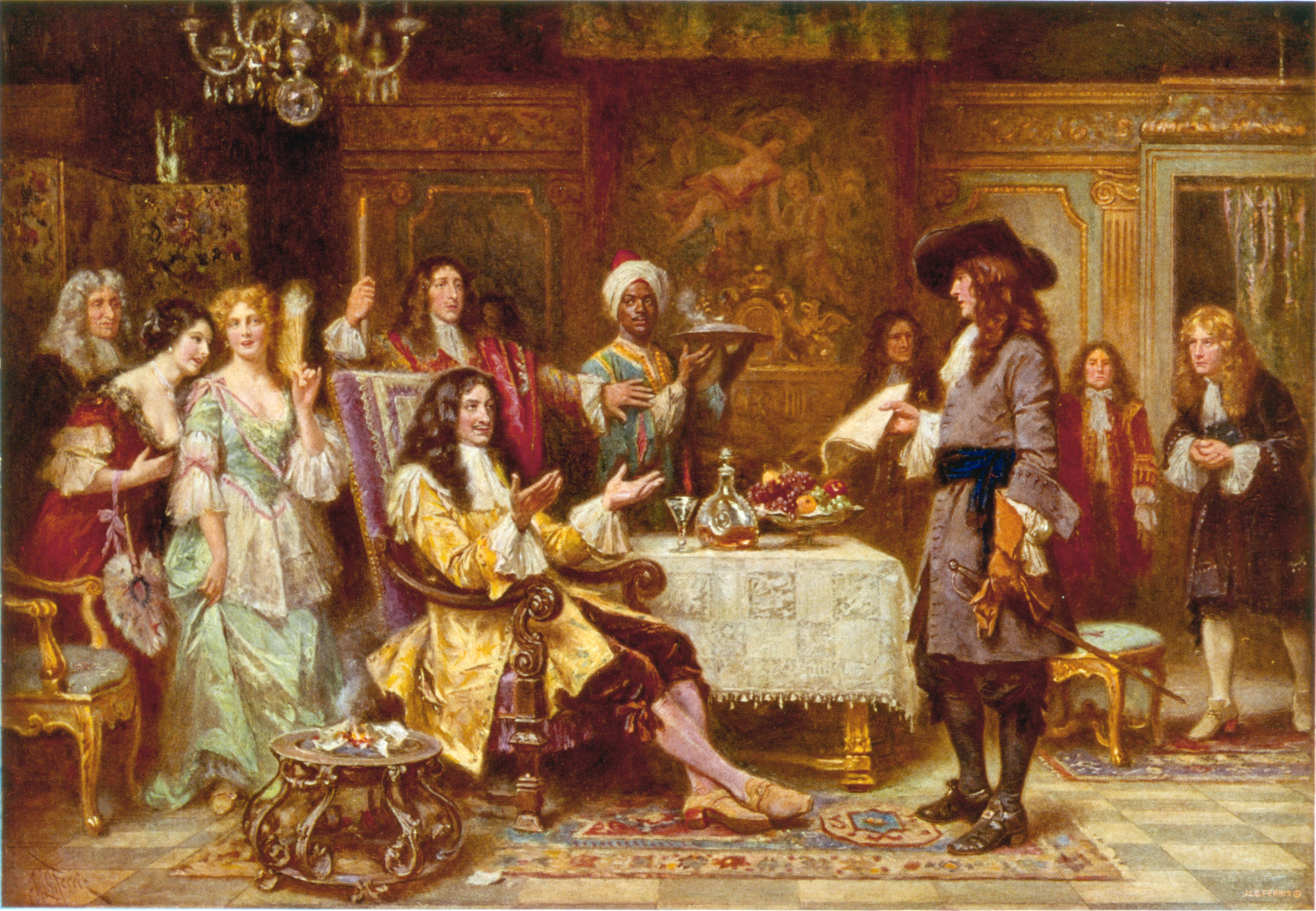
Pennsylvania received its charter in 1681 for the stated purpose of "reducing the savage Natives by gentle and just manners to the Love of Civil Societie and Christian Religion". It bestowed Penn a great deal of freedom regarding its administration; It encouraged lawful immigration and furnished settlers liberal property rights, free trade with the indigenous population and "good and happy government"–at the judgement of the crown which was to review the colony's laws on a 5 year basis.
The Penns were notorious members of the landed gentry and frequent creditors to the English royal family. William's father alone was owed £16,000 by the English king for wartime bonds. The younger Penn received the colony in fee simple, on the condition that he pay "free and comon Socage, by fealty only for all Services" in the form of annual payments of two beaver skins and a 1/5th return of all gold and silver ore found in Pennsylvania. He intended for it to be a "Holy experiment" with the guidance of the Christian Society of Friends (Quakers).
Before European colonization, the Delaware and Susquehanna valleys were inhabited by the Lenape and Susquehannock people among others. Economic incentives such as the new lucrative fur trade attracted migrants. Upland, on the lower reaches of the Delaware, was founded by Swedish colonists in 1644 as a tobacco plantation within New Sweden before its eventual fall to Dutch forces and annexation to New Netherland. On the English conquest of New Netherland that followed, in 1682, she was incorporated as Chester, the first town in the fledging Pennsylvania colony. Shortly upstream, Philadelphia, the capital, was founded not long after. Throughout the next century, Pennsylvania's population boomed–growing from 680 to 11,450 in its first decade. Colonists settled up the Delaware valley and inland. In 1682, the slave ship Isabella brought the first 150 black people to Philadelphia, and by 1760, the city had grown to become the largest in British North America, with over 20,000 inhabitants. In the same decade, Fort Pitt, the first English speaking trans-Appalachian settlement was founded, later becoming the city of Pittsburgh.
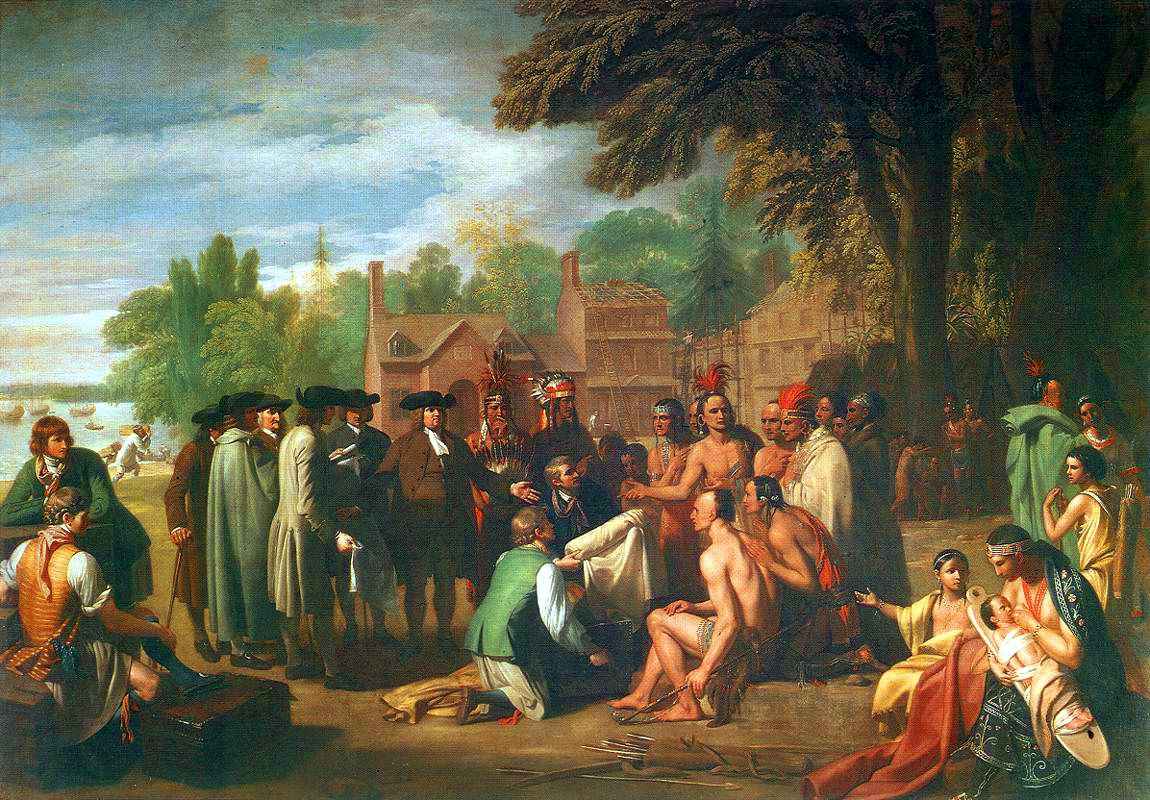
The colonial government negotiated a series of purchases from indigenous leaders, expanding the colony westward to accommodate the new migrants. William Penn's so-called "Treaty of Friendship" established amicable relations between the colonists and the Lenape. Whilst William was reputedly fair with the natives in his dealings, his heirs were not. His son's Walking Purchase, which annexed the colony 1,200,932 acres, is largely accepted to be fraudulent.
The royal charter's geographical errors led to prolonged conflict with other colonies. When the Province of New York was chartered in 1691, both colonies disputed ownership of the 43rd parrael north. Their border was later fixed to the 42nd parallel north, where it stands today. Simultaneously, a long feud between the Calvert proprietors of the Province of Maryland and the Penn family over competing land claims was brewing. A 1767 survey largely resolved this and demarcated the Mason–Dixon line. Further strife in the Delmarva peninsula led to Delaware becoming de facto independent of Pennsylvania–though still de jure under the authority of the royal governor.
Besides the royal charter, constitutional documents include the 1701 Charter of Privileges and the Frame of Government of Pennsylvania. Penn's Frame of Government in particular granted a series of rights to the settlers of his colony, most notably, the freedom of worship, totally unique in that era. Pennsylvania's religious pluralism attracted many diverse and often ostracized religious groups, namely the Jews, Amish, Welsh Quakers and the predominantly Mennonite Pennsylvania Germans. The culture of both colonial and modern Pennsylvania is shaped by these groups.